

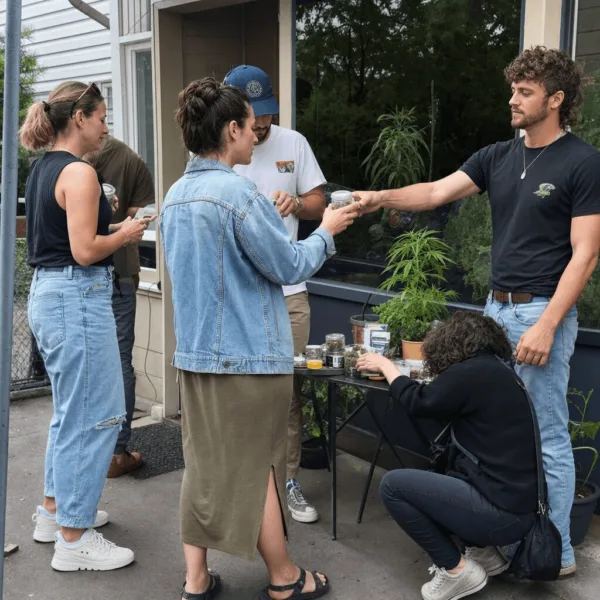




Cannabis Culture in Education: How Dialogue Sparks Change
The conversation about cannabis culture in education is hotter than ever, and not just at smoky coffee shops. Shifting legal tides and real talk among students have brought the topic front and center on university campuses like UCLA. Why does it matter right now? Well, here’s the deal: as legalization spreads, universities are becoming crucial battlegrounds for shifting perceptions and policy. This article unpacks how open dialogue on cannabis culture in education is challenging stigma and prompting a modern, nuanced understanding on and off campus.
Understanding the Groundwork: Social and Legal Context
The rise of cannabis culture in education rides on waves of evolving laws and attitudes. California was a U.S. pioneer with 1996’s Proposition 215, and it set the state on a path toward full legalization by 2016. Yet, federal prohibition under the Controlled Substances Act keeps things murky, especially in higher education circles. Many universities, including those in the University of California system, are tied to federal funding. That means strict bans on cannabis possession or use—even where it’s legal statewide—because schools don’t want to jeopardize their funding or reputation (according to Campus Drug Prevention). Socially, cannabis culture in education is catching traction. A 2022 Pew Research study showed over 80% of U.S. adults think cannabis should be legal in some form. The impact isn’t isolated to U.S. borders—recent high-profile incidents such as international cannabis-related arrests, like those involving Israeli citizens, serve as a reminder that global policy shifts can ignite debate and influence local perceptions (global debate after greenhouse raid). Student life reflects that: open conversation, activism, and even policy reform spark from quad meet-ups to student government chambers.
Core Developments & Current Campus Issues
Let’s get into the nitty-gritty: UCLA’s community is abuzz over how cannabis culture in education is represented, perceived, and lived. According to a recent Daily Bruin opinion piece, student advocates are pushing the envelope for normalization through dialogue, not blind acceptance or punitive zero-tolerance policies. The piece dives into day-to-day life: students feel standard school messaging isn’t keeping up with legalization realities and the nuances of responsible use. Instead, education around cannabis is often lumped in with abstinence-only messaging. On January 24, 2026, at a Bruins town hall, leaders from UCLA’s Student Wellness Commission openly discussed the stigma surrounding cannabis culture in education. They highlighted that current policies, aimed at federal compliance, create confusion and mixed signals. Some of these discussions also touch on the importance of providing real support for students, emphasizing the difference between psychological support and more formal psychotherapy in cannabis-impacted scenarios (real differences in approach). One student revealed how having honest, stigma-free conversations actually helped them make more informed, safer choices—echoing a common refrain across American campuses. The push: revise educational materials, separate health warnings from moralistic scare tactics, and foster spaces where facts outshine fear, because, let’s face it, college students know how to spot outdated messaging a mile away.
Expert Analysis: The Nuance of Real Cannabis Culture in Education
Here’s where cannabis expertise breaks it down. In the trenches, it’s not about glorifying cannabis or ignoring risks—it’s about honest, informed talk. Industry watchdogs like MJBizDaily report that legal progress has transformed the culture faster than most universities’ policy handbooks can keep up. When you foster spaces for real dialogue, you actually empower students to make smart decisions. Dr. Amanda Reiman, a well-respected cannabis researcher and policy advocate, put it best: “When campuses treat students as adults capable of discernment, risk behaviors tend to go down, not up. Open discussion and evidence-based education work better than fear-based approaches.” (Leafly). The bigger trend? Campuses moving, slowly, toward separating legal compliance from practical, truthful cannabis education. Another trend in campus and local culture is the blending of cannabis experiences into other aspects of daily life, evidenced by the way cannabis influences dining and leisure scenes in cities such as Billings (cannabis culture blend in Billings gourmet spots). And honestly, it’s about time universities recognize that, with legalization, cannabis culture in education isn’t taboo—it’s a current reality and a chance for meaningful, responsible reform.
Looking Ahead: Evolving Cannabis Culture in Education
Here’s the bottom line: cannabis culture in education is evolving, and dialogue is driving that change from the grassroots up. Federal rules may slow progress, but student leaders, informed educators, and advocates are shaping a campus reality closer to legal and social norms outside the ivory tower. According to recent updates from NORML, we’re seeing more schools re-examining policies in light of state reforms and evidence-based best practices. The stigma’s giving way to science, lived experience, and smart policy. For UCLA and campuses around the country, the future looks bright—sunny even, fitting for a quad conversation. Cannabis culture in education is here to stay, growing in nuance, safety, and societal acceptance.
Originally reported by: dailybruin.com



1 Comment
Pingback: Arkansas medical marijuana sales hit record high—see why