






Hemp Ban Child Safety: What Parents Must Know Now
With mounting national debates, the topic of hemp ban child safety is suddenly grabbing headlines and family group chats alike. Across the country, parents, health officials, and cannabis advocates are wrestling with state and federal crackdowns on hemp-derived products. Why now? Regulatory shifts and market uncertainty have put child safety at the center of the conversation. This article unpacks the latest developments shaping the issue, explores the bigger context, and provides both pro-cannabis and critical perspectives—all while focusing tightly on hemp ban child safety in homes and communities.
Understanding the Regulatory Context, Why Hemp Ban Child Safety Matters
To appreciate why hemp ban child safety is such a hot topic, you’ve got to look at shifts in cannabis law and public perception. The 2018 Farm Bill federally legalized industrial hemp, opening new markets for CBD and other hemp derivatives. But this freedom came with fuzzy boundaries, especially when it came to delta-8 THC and other psychoactive cannabinoids that aren’t technically marijuana but can still alter your vibe. States like Kentucky, Tennessee, and Texas have responded with new bans and broad restrictions, zeroing in on child safety fears. For instance, the complexity of recent regulatory changes in other states, such as those seen in Pennsylvania’s ongoing debate over future rules, can shed light on how these fears are shaping policy nationwide. According to NORML, concerns about unregulated products, accidental consumption, and ambiguous product labeling remain central for lawmakers and parents alike.
Recent Developments, Core Facts and Events
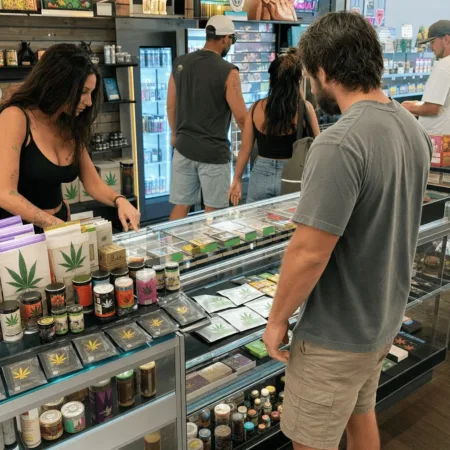
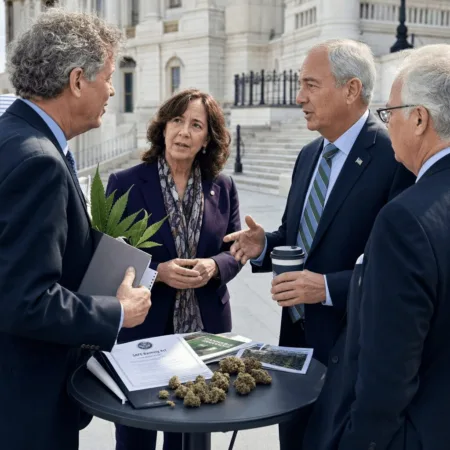
The story really hit home when Kentucky’s Senate, led by Senator Mitch McConnell, moved aggressively to ban intoxicating hemp products such as delta-8 THC. Based on reporting from the Courier Journal, the move follows increasing reports of children accidentally consuming edibles and gummies containing hemp-derived THC. Retailers have been scrambling to comply, and hemp product manufacturers are feeling the pinch. On January 22, 2026, Kentucky officially enacted new restrictions that ban sales of hemp-derived products considered intoxicating to anyone under 21, with heightened penalties for violations near schools. Nationally, the U.S. FDA and major pediatric associations have flagged inconsistent product labeling as a hazard, calling for more transparency and stricter controls. In a similar vein, past incidents such as drug busts involving children have highlighted the real-world impact of enforcement and bring renewed focus to child endangerment and its fallout in affected communities. The Kentucky Cannabis Company and other major players have voiced worries about being forced out of the local market, arguing that overregulation will also impact responsible adult consumers and licensed dispensaries.
Expert Analysis, Industry Insights and Balanced Cannabis Perspective
Let’s get real. The hemp industry has always juggled consumer freedom and public safety, but today’s crackdown has a new edge. As cannabis law expert Barbara P. Roach, quoted by High Times, puts it, “It’s critical for regulators to distinguish between genuine risks to children and the realities of adult consumption and entrepreneurship.” The push for a hemp ban in the name of child safety is nothing new, but the stakes have gotten higher as products get more popular and accessible. The industry broadly backs efforts like childproof packaging, clearer age restrictions, and honest labeling. However, locking down all hemp products can also fuel black market alternatives and deprive adults and patients of legal options. According to a Leafly industry report, states with clear, fair regulation end up with fewer youth incidents and stronger consumer education—meaning bans aren’t always the answer, but smarter rules just might be. This issue is further complicated by ongoing legislative battles in places like Massachusetts, where challenges to legal cannabis serve as a real-time reminder that regulatory approaches continue to evolve along with public sentiment.
The Future: Moving Forward with Smarter Cannabis Policy
Looking ahead, the hemp ban child safety debate will keep testing the cannabis industry’s flexibility and resilience. Smart regulation—rooted in science, clear labeling, and honest public health messaging—will be key. Instead of blanket bans, many experts and advocates are urging lawmakers to embrace harm reduction, support parent education, and adapt as new safety data emerges. With more states legalizing and cannabis culture moving mainstream, the push for balanced, child-safe policies is growing. For families, educators, and industry players, staying informed and engaged is more important than ever. Citing Marijuana Moment, the future of hemp and cannabis hinges on common sense policies that support both public safety and responsible use.
Originally reported by: courier-journal.com
2 Comments
Pingback: Low Dose Marijuana Coping: Embrace a New Way to Unwind
Pingback: Marijuana Business Robbery: How Grady County Deputies Stopped It