ANC 6B cannabis protest: What Really Happened Next?
The ANC 6B cannabis protest has become a lightning rod in DC’s cannabis conversations—touching everyone from small local growers to city policymakers. This protest is catching attention right now because it reflects both the rising energy of local activism and the evolving regulatory landscape around cannabis. With recent settlements and shifting legal boundaries, the story offers a snapshot of where cannabis reform stands today—and what’s coming next. This article breaks down the ANC 6B cannabis protest, the key players, the background, and what it all means for DC’s cannabis future.
The Politics and Policy Behind the ANC 6B Cannabis Protest
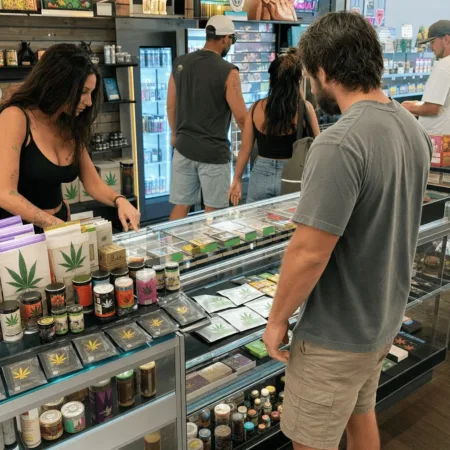
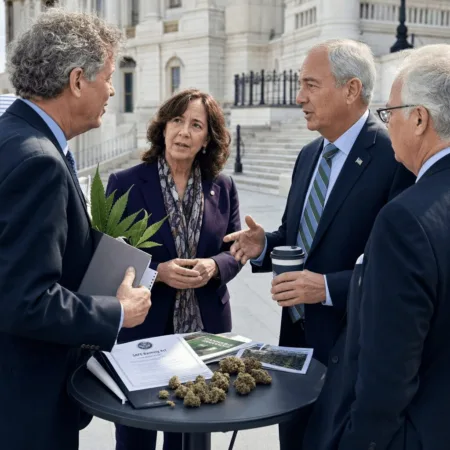
The ANC 6B cannabis protest didn’t emerge in a vacuum, it’s rooted in the District’s complicated cannabis laws and neighborhood-level governance. Since Washington, DC legalized recreational cannabis possession in 2015 (according to MJBizDaily), local authorities have struggled to align community expectations with federal and city policies. Advisory Neighborhood Commissions (ANCs) like 6B play a crucial role in shaping how those policies actually play out in neighborhoods, including who gets licensed and which businesses can operate. The clash is real: DC can’t legalize the full sale of cannabis like some states because of ongoing Congressional budget blocks (per NBC Washington). This regulatory frustration echoes the situation in cities such as Columbus, where cannabis tax revenue is transforming local economies—Columbus has seen $4.2 million in tax revenue make a tangible difference in the community. In DC, this conflict leaves cannabis entrepreneurs and advocates, many of whom live or work in the 6B neighborhood, navigating a patchwork of gray areas, under-the-radar gifting economies, and layers of community oversight.
What Really Went Down: Events of the ANC 6B Cannabis Protest
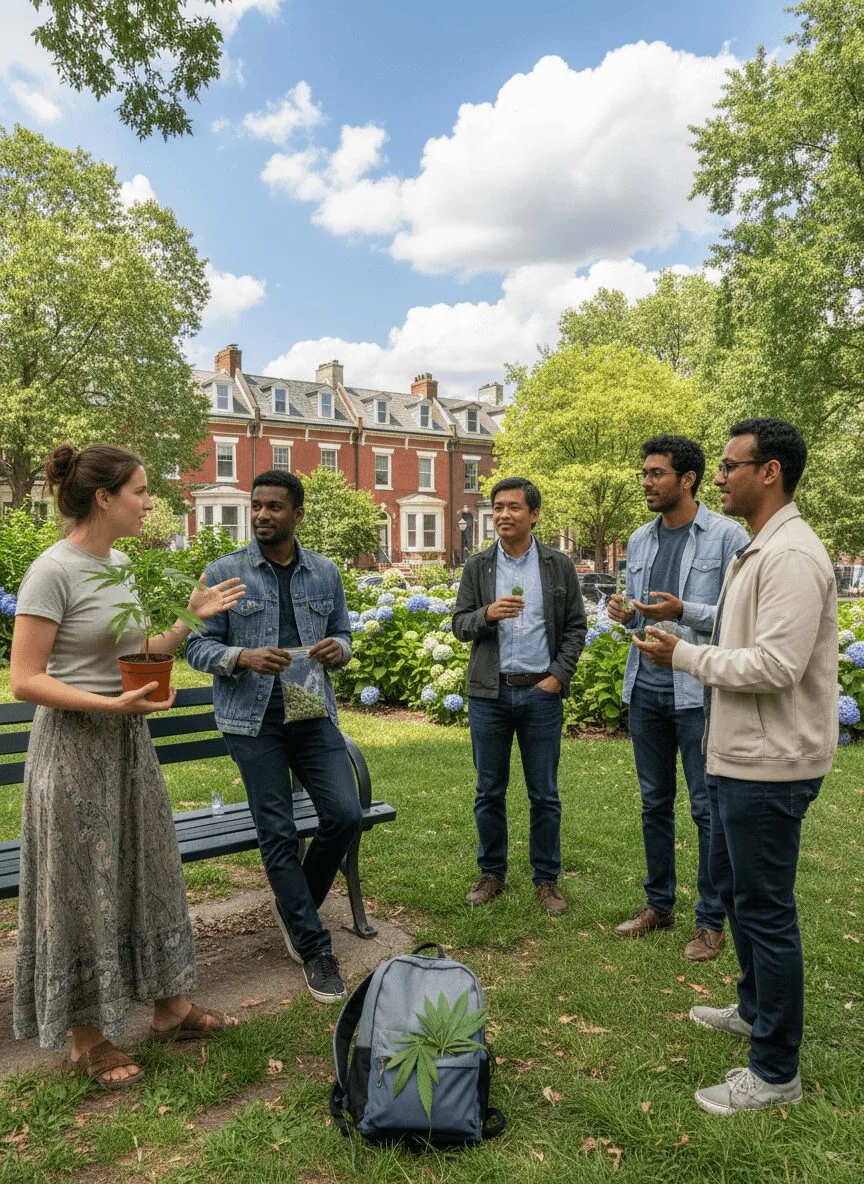
According to Hill Rag (Jan 22, 2026), the ANC 6B cannabis protest started as a direct response to perceived inequities and confusion in local cannabis regulation. Protesters, including local business owners, home growers, advocates, and everyday residents, gathered to ensure their voices would help shape future rules for cannabis operations in Southeast DC. The spark was a set of proposed regulatory changes and licensing disputes that many felt could freeze out small or minority-owned operators. Tensions ran high as some feared a consolidation by established medical dispensaries. After vigorous back-and-forth, an agreement was reached: the formal protest was withdrawn, with both sides agreeing to mediated settlement. This deal included a new round of public feedback, more transparency for upcoming licensing procedures, and better assurances for existing legacy operators to participate in the industry. Much like the recent debate in Oklahoma over a Tulsa dispensary closure sparking discussion about the future of local cannabis shops, the ANC 6B cannabis protest set a precedent for neighborhoods to push back and secure a seat at the table.
Industry Analysis: What the ANC 6B Cannabis Protest Says About DC’s Future
There’s a lot to learn from the ANC 6B cannabis protest if you’re watching the industry. First, it highlights the ongoing tension between federal policy paralysis and local community willpower. High Times magazine points out that ‘In gray-market cities, neighborhood activism isn’t just noise, it’s a major driver of reform that forces lawmakers to listen’ (High Times). DC’s lack of formal recreational sales has created a robust gifting scene and a surge of pop-ups and advocacy groups. The ANC 6B cannabis protest makes it clear that grassroots coalitions can negotiate tangible gains in the face of legal roadblocks. This is mirrored nationally, as seen where Florida’s public spaces are adapting to new rules on marijuana use, with communities actively influencing policy outcomes. While it may appear to be just another local disagreement, it’s actually a sign that neighborhood engagement is driving the future of regulated sales, equity programs, and zoning decisions. A local advocate put it best: “If we don’t speak up, DC’s future cannabis market won’t look anything like our neighborhoods. The ANC 6B cannabis protest wasn’t just resistance, it was about building something everyone can share.”
The Road Ahead: Optimism for Cannabis in DC and Beyond
The ANC 6B cannabis protest may have started as a flashpoint, but it ended as a lesson in how collaboration and protest can drive positive change. The District’s regulatory structure is far from perfect, yet every step—like this one—moves local businesses, consumers, and advocates closer to a fair and workable legal market. According to NORML, public support for cannabis reform in DC remains strong, and good-faith negotiations like the ANC 6B settlement are signs that policymakers are finally listening. For cannabis enthusiasts, entrepreneurs, and policy nerds, the message is clear: stay engaged, stay informed, and trust that the next wave of progress will be shaped from the ground up—sometimes literally, in the parks and rowhouses of neighborhoods like ANC 6B.
Originally reported by: hillrag.com