


Psilocybin Pain Relief Study: Surprising New Results Revealed
If you’re tuned in to the shifting sands of plant-based medicine, then you know the psilocybin pain relief study is the latest hot topic stirring up passionate conversation in cannabis and psychedelic spaces alike. The latest research, just dropped in a major peer-reviewed journal, has sparked debate not only around science but also legislation and social acceptance. This isn’t just about trippy trips anymore; we’re witnessing the dawn of mainstream pain management backed by real data. In this piece, we’ll break down what the study uncovered, why it matters for every passionate cannabis enthusiast, and how this might shake up the landscape for everyone from medical pros to casual tokers.
Regulatory and Social Context: Psilocybin and Cannabis in the Spotlight
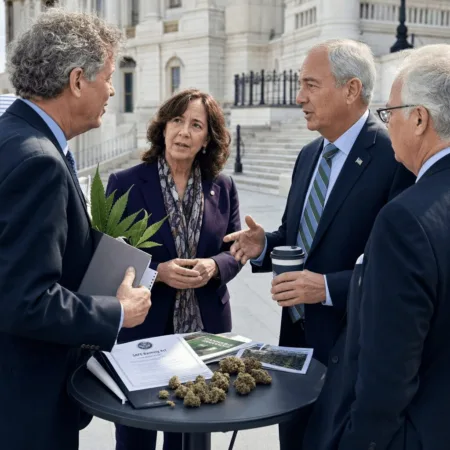
The psilocybin pain relief study didn’t just drop into a regulatory vacuum. Over the past few years, the DEA has slowly softened its stance around Schedule I substances, with certain cities like Denver and Oakland even pushing decriminalization efforts. Meanwhile, cannabis has been making legislative waves across North America, with states like California and Oregon greenlighting both medical and recreational use (California Department of Public Health). This regulatory evolution sets the perfect scene for research on psychedelics and cannabis to gain serious traction, especially as seen in jurisdictions grappling with significant policy shifts such as Georgia’s recent law changing how marijuana smell influences police searches. Social norms are shifting, too, and recent Pew Research polls indicate that over 60% of Americans now support exploring plant-based therapies for chronic pain.
Layer in mounting pressure from advocacy groups and the impact of the opioid crisis, and you’ve got an industry hungry for safer, holistic solutions. The “psilocybin pain relief study” is a product of this unique intersection of demand, progressive policy, and scientific curiosity.
Key Developments: The Latest Findings from the Psilocybin Pain Relief Study
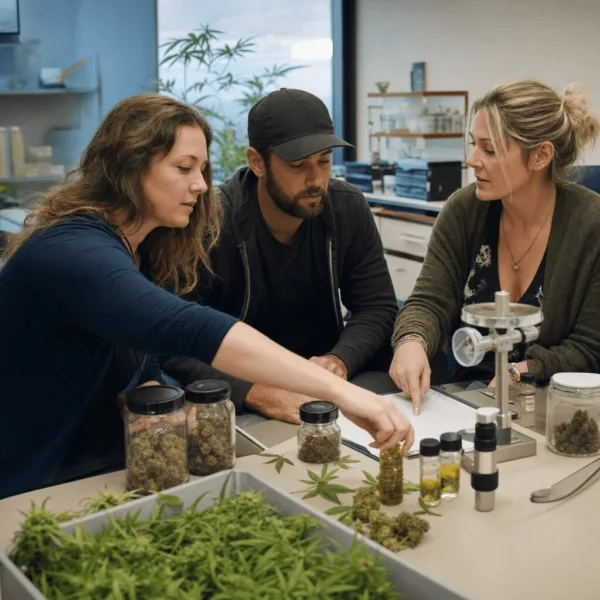
Here’s the substance: researchers, led by a collaborative European and American team, carried out a randomized controlled trial to gauge psilocybin’s effect on chronic pain. Published on June 6, 2024, in Nature Communications, the study followed over 100 adult participants struggling with long-term pain. One group received a single moderate dose of psilocybin, while the others received a placebo or traditional treatment. Measurements tracked pain intensity and emotional well-being, with regular assessments spanning several months. For a deeper look at how changing regulations are impacting the ability to conduct studies like these, see this preview of major regulatory changes expected in the cannabis industry by 2026.
The key shocker wasn’t just the short-term relief, but the sustained reduction in pain reported at follow-up. According to principal investigator Dr. Emilia Franks, “the sustained improvement in pain outcomes and emotional health represents a compelling case for further research.” The study clarified that while psilocybin doesn’t eliminate all pain, it delivered significant measurable improvement versus controls, and without the addiction or heavy side-effect baggage often seen with opioids and some prescription painkillers.
Industry stakeholders are taking note. Cannabis advocacy groups, including NORML and MAPS, have cheered the study for its rigor and real-world relevance. It’s worth highlighting that the trial abided by all necessary legal permissions in both the EU and participating U.S. states, setting a gold bar for future research protocol.
Expert Insights: What This Means for Cannabis and Chronic Pain
Now, let’s get real about what the psilocybin pain relief study adds to the mix. Cannabis industries have long championed non-opioid pain management—THC and CBD topicals, edibles, and tinctures have become staples for millions. This new research isn’t competition, it’s reinforcements. By blending psychedelics like psilocybin with well-established cannabis therapies, clinicians could build a toolkit that prioritizes wellness, not dependency. According to Cannabis Business Times, “layering emerging therapies gives practitioners more holistic options, especially for patients who don’t respond to single-molecule treatments.”
Leading cannabis expert Dr. Leo Bryant commented, “There’s no world where we’re threatened by sound psychedelic science, if anything, it’s time we joined forces. Our fight is for patients who want honest pain relief without trading dignity for dependency.” (Lucid News). This outlook is reflected in a swell of research partnerships and cross-industry investments. For communities facing rapid regulatory changes, including hemp and CBD crackdowns in major cities such as Chicago’s recent restrictions on hemp and THC-infused products, the psilocybin pain relief study is making more folks see cannabis not just as a product, but a pillar of ethical, progressive healthcare moving forward.
The Future: A Brighter Horizon for Cannabis, Psychedelics, and Holistic Health
As this psilocybin pain relief study gains traction, those of us at the crossroads of cannabis culture and advocacy can’t help but feel pumped for the road ahead. Regulatory dominoes are starting to tumble, old stigmas are bowing to fresh data, and more mainstream media—like Leafly—are spotlighting stories of real healing. Progress won’t happen overnight, but today’s findings signal a paradigm shift where responsible plant-based options are no longer the underdogs. With future studies likely to follow (and build on) these promising results, we can expect the cannabis realm to keep thriving—one breakthrough at a time. The era of honest, accessible wellness is here, and cannabis is poised to be front and center, cheering on every step.
Originally reported by: nature.com