



Marijuana Smell Police Searches: New Georgia Bill Changes Everything
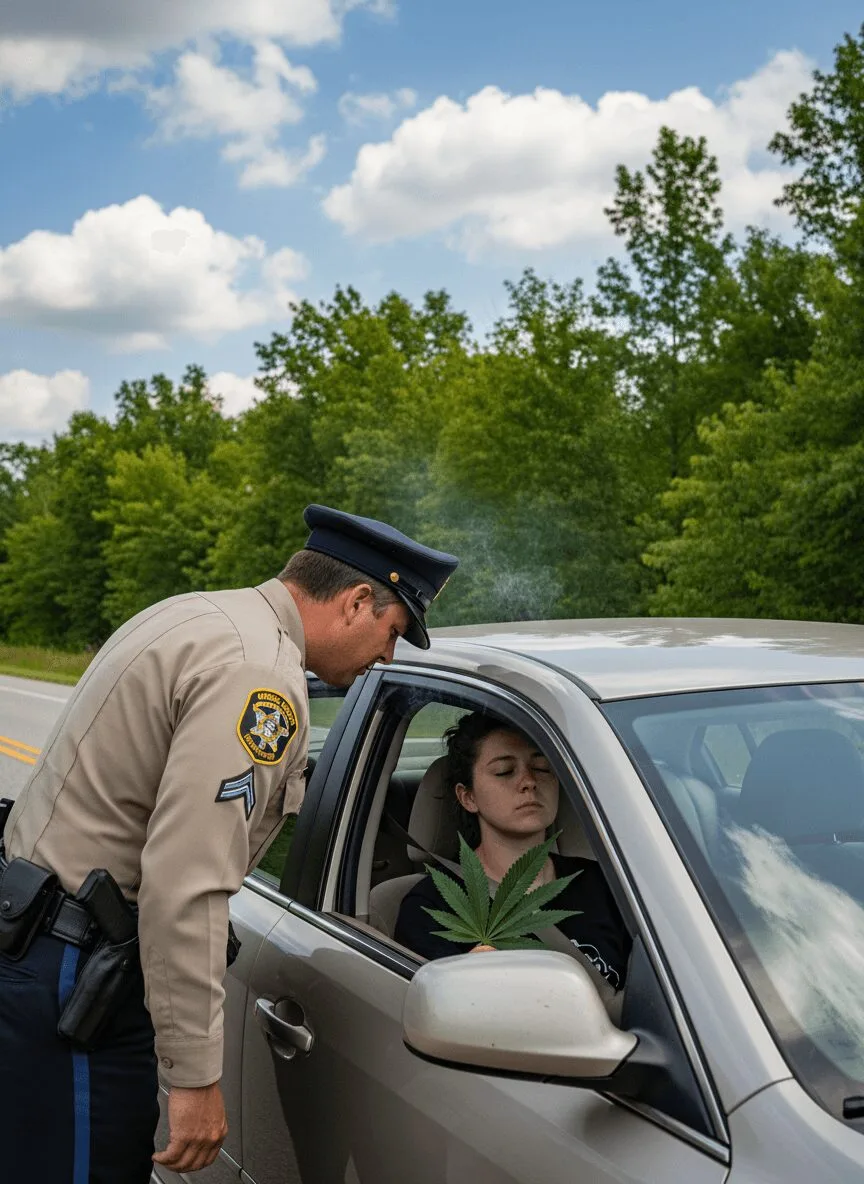
If you’re rolling through Georgia these days, you’d better pay attention—not just to your speed, but to what’s happening in the lawbooks. Marijuana smell police searches are taking the spotlight with new legislation poised to overhaul how police handle these situations. With shifting legal ground, evolving cannabis laws, and firsthand stories flooding in, this is a hot topic impacting both drivers and the cannabis community. We’ll break down what’s going on, why it matters, and how it’s about much more than just your car window’s aroma.
The Road So Far: Background & Context on Marijuana Smell Police Searches
The landscape of marijuana smell police searches is changing rapidly, especially as legalization spreads, both medicinally and recreationally, across the U.S. Yet in states like Georgia, resistance lingers. For years, the simple whiff of cannabis gave officers probable cause to search vehicles, a practice rooted in decades-old probable cause doctrine (source: FindLaw). That led to thousands of searches, stops, and unfortunately, many questionable arrests, often disproportionately affecting people of color and younger drivers. According to data from the ACLU, Black Americans are nearly four times more likely than white Americans to be arrested for marijuana possession, despite similar usage rates. This context underscores why Georgia’s approach to marijuana smell police searches is a flashpoint, both for criminal justice reformers and advocates for cannabis normalization. In other regions, recent crackdowns on items like hemp and THC-infused products reveal similar regulatory challenges, with Chicago seeing a notable increase in legal scrutiny of CBD businesses and products, as witnessed in the clampdown on local hemp THC retailers.
What’s Changing: Key Developments & Issues with Marijuana Smell Police Searches
The pivotal shift arrived when Georgia lawmaker Rep. Mandisha Thomas introduced a bill aimed at stopping police from searching cars based solely on the scent of marijuana. 13WMAZ recently reported the bill’s traction, causing waves throughout the local community. Under House Bill 1244, Georgia officers would need more than just smell as grounds for a car search—no more assumptions, no more fishing expeditions. The proposed law, introduced in February 2024, has seen bipartisan interest, with advocacy groups like the Georgia chapter of NORML (National Organization for the Reform of Marijuana Laws) offering support. If passed, this would bring Georgia more in line with progressive states that have already adjusted their marijuana smell police searches protocol. The bill follows high-profile incidents and lawsuits where searches, only justified by “the odor of marijuana,” turned up nothing illegal yet led to significant hassle and sometimes trauma for the people stopped. Across the nation, legal maneuvering around the retail sale and regulation of cannabis products, like those being considered in major cities, mirrors Georgia’s developments, as shown by community outrage during recent city council debates over hemp THC product bans.
Expert Analysis, Insights & Pro-Cannabis Counterpoints
The move to restrict marijuana smell police searches isn’t just about protecting individual freedom, it’s about modernizing outdated policing tactics in the cannabis era. States like Colorado and Illinois set precedent by only allowing searches based on additional evidence, as referenced by Marijuana Moment. “It’s time we stop using smell as a shortcut for probable cause. Cannabis is legal for millions, its scent should not be a stand-in for criminal activity,” says Kris Krane, longtime cannabis industry advocate and contributor to Forbes. Industry experts agree that enforcing searches on mere smell is unreliable, especially in a world where legal hemp, infused treats, and non-psychoactive products all smell similar. This bill responds to calls for evidence-based policing. Outside perspectives note that fear-based enforcement disproportionately harms marginalized communities, wastes officers’ time, and erodes public trust. Reflecting nationwide trends, changes in the legal and regulatory framework for cannabis are driving major adjustments in local economies and policies, much like the anticipated shifts discussed in cannabis regulatory previews for 2026.
Where Do We Go from Here? Future Outlook & Conclusion
It’s clear that the days of indiscriminate marijuana smell police searches are numbered, at least in Georgia. As the law catches up to cultural reality, there’s good reason to believe that other Southern states will watch and, in time, follow suit. Social attitudes are shifting fast—the stigma around cannabis is fading, and pragmatic regulation is becoming the norm. Recent data from NORML News shows that public support for reform is at record highs. For Georgia’s drivers, cannabis patients, and advocates alike, these developments signal a turning point where rights and reasonable law enforcement can co-exist. The road to fairness and sanity in marijuana smell police searches just got a lot clearer—and hey, that’s something worth passing along.
Originally reported by: 13wmaz.com

1 Comment
Pingback: PE firm cannabis litigation: Inside Shocking Courtroom Allegations