


Chicago hemp THC crackdown: Is your favorite product at risk?
Let’s get right into it—Chicago’s hemp THC crackdown is stirring up serious buzz (and not the good kind). With city and state regulators pushing back against wildly popular hemp-derived THC products—think edibles, tinctures, and vape carts—everyone from shop owners to chill after-work consumers is watching closely. This isn’t just another regulatory rumor: officials are talking real restrictions, potentially jeopardizing your favorite legal highs and reshaping the market across Illinois. Stick with me as we dig into what’s happening, why it matters, and how the cannabis community is mobilizing for clarity, safety, and fair access in the Windy City.
Why Is Chicago Clamping Down? The Legal and Market Backdrop
The city’s hemp scene has exploded thanks to a nationwide wave of cannabis liberalization and legal loopholes in the 2018 Farm Bill. By defining hemp as cannabis with less than 0.3% Delta-9 THC by dry weight, federal law sparked a creative explosion of hemp-derived products, including edibles, vapes, tinctures, and more, making low-THC highs widely accessible outside tightly regulated dispensaries. In Illinois, the Cannabis Regulation and Tax Act introduced state-wide legal cannabis, but didn’t specifically address many hemp-derived cannabinoids now flooding local shelves.
This grey zone gave rise to a booming market, especially for compounds like Delta-8 and Delta-10 THC (explained comprehensively by Leafly), which are manufactured from federally legal hemp yet deliver a clear psychoactive effect. But as unregulated retail sales outpace traditional licensed dispensaries, often skipping state testing and age checks, the authorities argue public safety is at stake. Major U.S. cities, from New York to Los Angeles, are grappling with similar enforcement debates as detailed in a preview of regulatory changes shaping the industry in 2026, showing that Chicago’s push is part of a much bigger national trend.
What’s Really Happening With the Chicago Hemp THC Crackdown?
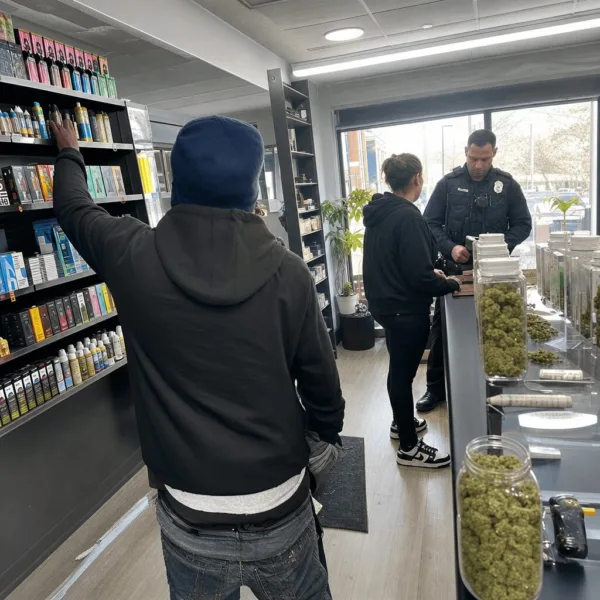
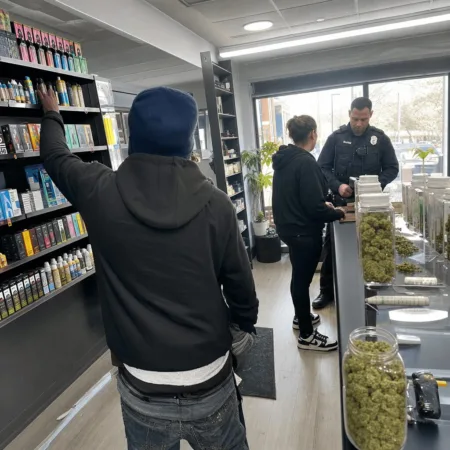
According to Axios Chicago, city officials have proposed major restrictions on hemp-derived THC products. The biggest moves under consideration include a ban on the retail sale of hemp-derived vapes and edibles, with exceptions for products specifically approved by the FDA. This would put many popular legal highs like Delta-8 gummies and vapes instantly at risk. Not only would retailers such as Wake-N-Bakery and dozens of Chicago-headquartered delivery services feel the hit, but so would small manufacturers and consumers accustomed to legal access without a medical card.
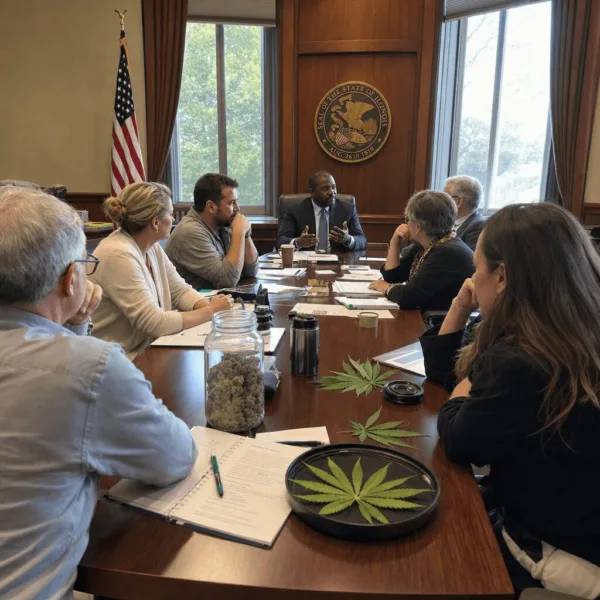
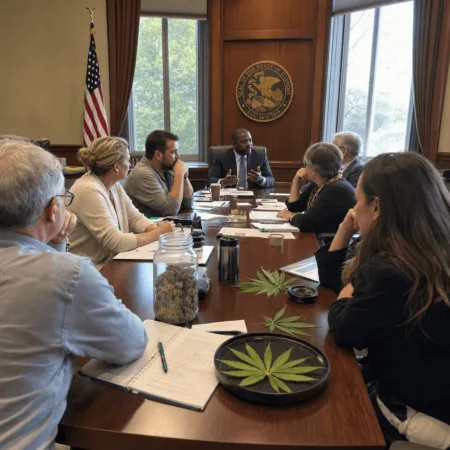
The city’s Department of Business Affairs and Consumer Protection released draft rules proposing the crackdown in early 2026. The changes align with state efforts led by the Illinois Department of Agriculture and newly introduced House Bill 4556. Lawmakers are reacting to a surge in underage consumption reports, allegations of products laced with unsafe compounds, and concerns from licensed cannabis operators that hemp products offer an untaxed, unregulated alternative, potentially costing the state millions in lost revenue. The recent City Council vote has sparked significant outrage and drawn sharp lines in Chicago’s hemp community, making consumer safety, tax dollars, and cannabis equity central issues as the debate plays out at both public hearings and behind closed doors.
Expert Perspectives, Big Picture Trends, and Practical Insights
Legal confusion and rapid product innovation aren’t new in the hemp industry, but the Chicago hemp THC crackdown signals a turning point. “This crackdown is proof that local governments are struggling to keep up with the science and the market,” explains Dr. Peter Grinspoon, an expert from Harvard Health Publishing. He continues, “Banning hemp products outright could send sales, along with consumers, back underground, igniting safety risks instead of solving them.”
Market analysts at Benzinga and policy experts from Marijuana Policy Project argue that the issue stems from the regulatory lag behind evolving cannabinoids. Many advocates call for a balanced approach: stricter safety testing and clear labeling, without total prohibition. Socially, the crackdown could widen divides, punishing small hemp shops while larger, licensed dispensaries expand their reach. As seen in the recent federal rescheduling debates shaking up the political landscape, the demand for alternative cannabinoids and accessible wellness products continues to outpace traditional cannabis business models. The result? Unclear, shifting rules stoke frustration and uncertainty for everyone, especially the cannabis entrepreneurs navigating Chicago’s complex compliance landscape.
Rolling Forward: What’s Next for Chicago’s Hemp and Cannabis Scene?
The long-term future of Chicago’s hemp market isn’t set in stone, but history tells us that cannabis consumers, advocates, and ethical retailers are nothing if not resilient. If regulators listen to evidence, work with credible industry groups like the National Organization for the Reform of Marijuana Laws (NORML), and build common-sense frameworks, there’s no reason the city can’t strike a balance—protecting health and public order while embracing innovation and choice. As social acceptance grows nationwide (as tracked by Pew Research Center polling), a thoughtful, science-driven approach remains the best way forward.
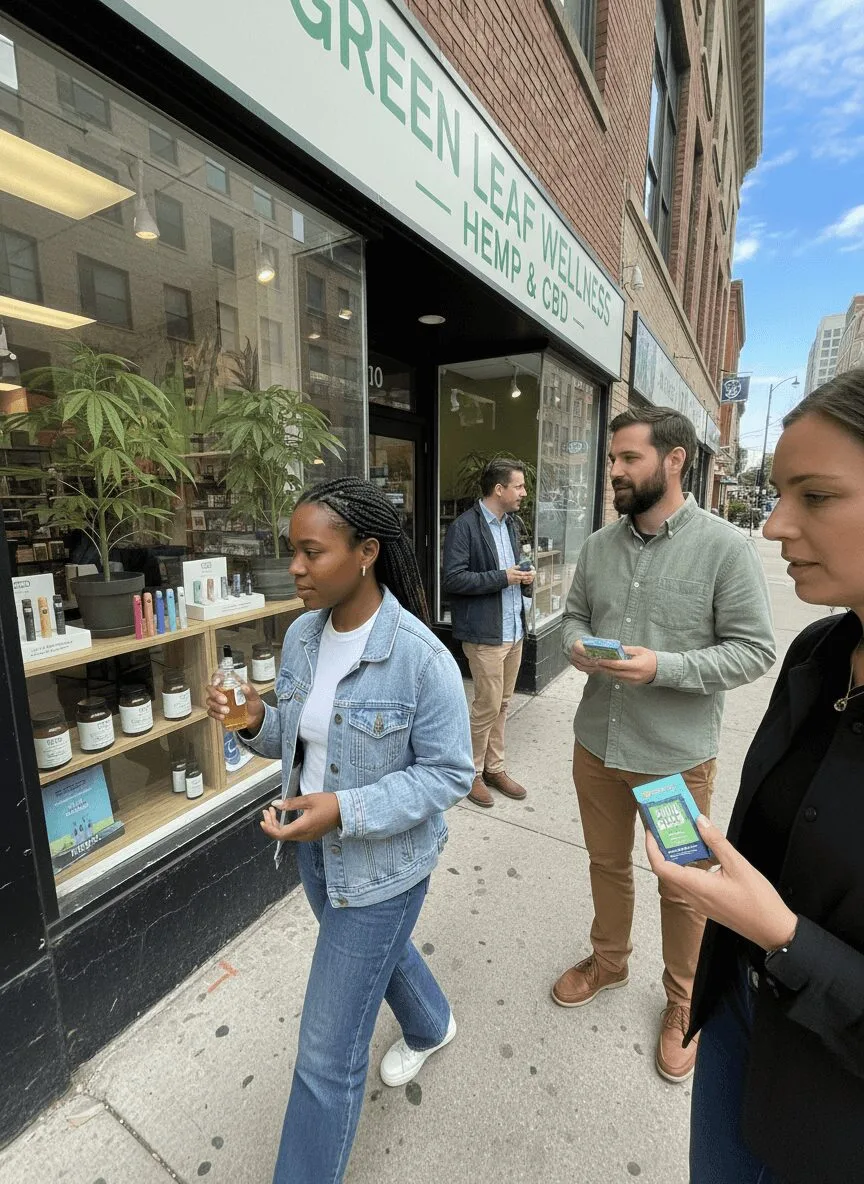
So, don’t count out your favorite Chicago hemp or CBD stores just yet. This city has weathered much more than a policy pivot or two, and there’s every chance that smarter regulation will mean a safer, more vibrant market for all—especially if the cannabis community keeps the conversation going and the legal highs flowing.
Originally reported by: axios.com

1 Comment
Pingback: New Jersey cannabis labor protections: What employees need to know