





Maine bank marijuana fraud: What you need to know now
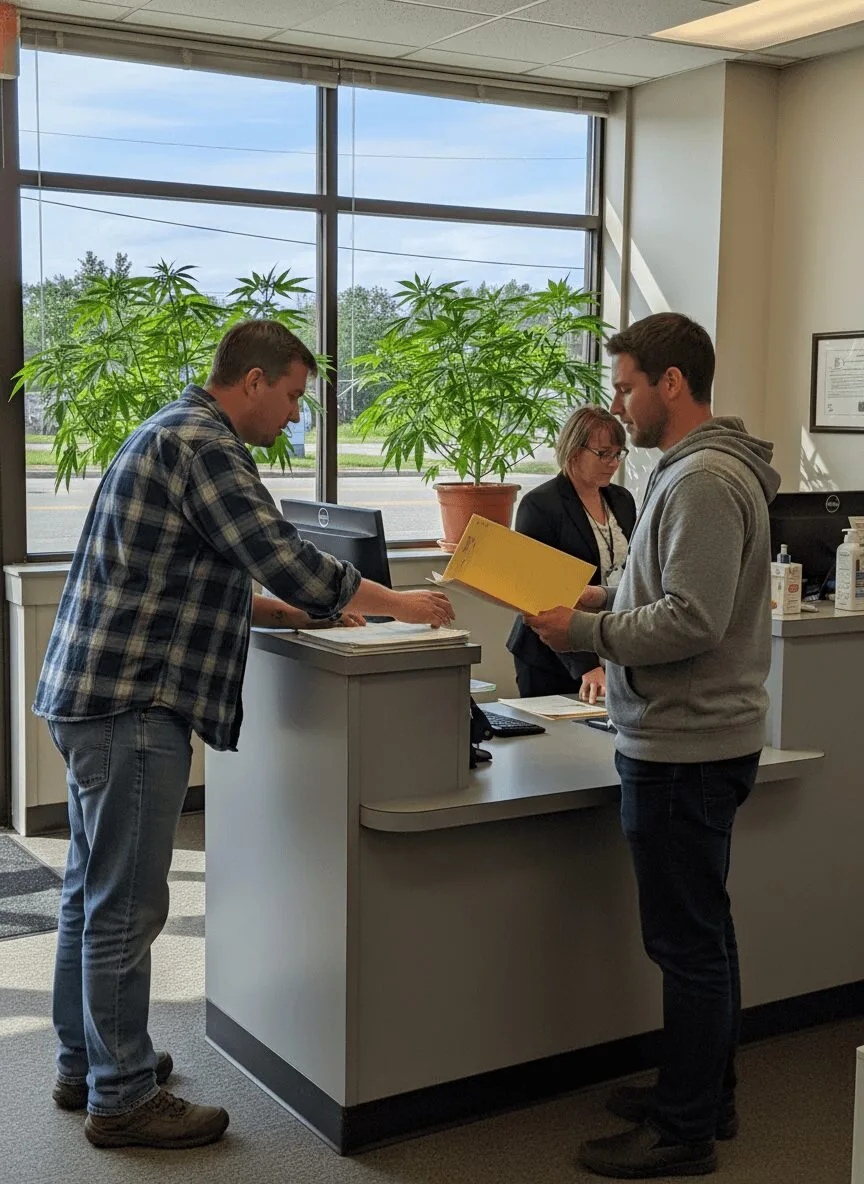
Let’s be real—if you follow the Northeast cannabis scene, you know the headlines are getting spicy. The recent Maine bank marijuana fraud news highlights the challenging dance between financial institutions and the legal-but-still-tricky cannabis market. This juicy development isn’t just about criminal allegations. It sharply reflects how regulatory (and practical) hurdles create landmines for anyone straddling legality and entrepreneurial hustle. From local banks to growers and regular folks caught in between, here’s why the Maine bank marijuana fraud story is pulsing through industry news feeds right now.
The Challenging Landscape: Regulatory Background & Social Context
The cannabis business has always operated in a legal gray area. Despite Maine’s legalization of recreational marijuana in 2016 (see Maine.gov), banks are stuck straddling conflicting state and federal laws. Cannabis remains federally illegal, courtesy of the Controlled Substances Act, and this makes money movement, loans, or even keeping a checking account a minefield. According to House Financial Services Committee reports, most major banks refuse to touch cannabis funds, pushing even legitimate operators toward risky workarounds. The catch-22? Small businesses in Maine’s marijuana sector often scramble to access standard financing, while local banks risk everything if caught facilitating marijuana-linked deals. This environment feels similar to what hemp businesses face when confronted by abrupt regulatory crackdowns, like what happened recently in another state—a local council’s decision banning hemp-derived THC products resulted in community backlash. The situation in Maine is ripe for shady shortcuts, and that’s where fraud finds a foothold. These headlines—including cases of Maine bank marijuana fraud—stem from ongoing regulatory headaches, persistent social stigma, and spotty federal guidance.
Key Developments & What Went Down in the Maine Bank Marijuana Fraud Case
Let’s break it down: At the center of the Maine bank marijuana fraud case, a network of growers and associates admitted to defrauding regional banks to fund underground marijuana grows. According to WMTW News, two men recently pleaded guilty to federal bank fraud charges. Their game plan involved submitting false information and business documents to Maine banks, securing hundreds of thousands to fuel suspected illegal cultivation operations. Instances like this echo broader shifts in state and federal oversight, underscoring how regulatory changes can spur drastic actions in the industry, as highlighted in discussions around regulatory previews that shape the industry’s future. The alleged fraud took place over several years, ramping up as the local pot market swelled. The banks—unnamed for legal reasons—reportedly approved loans and accounts based on fake lines of business, never realizing those funds would flow directly into unauthorized cannabis grows. Investigators tracked the paperwork trail, unraveled a cast of associates, and linked large cash transactions to properties harboring illegal marijuana grows. According to recent legal filings, the scale of operations outpaced what’s typical for Maine’s legal markets, tipping off federal agents in late 2023. Charges filed include conspiracy to commit bank fraud and making false statements, each carrying the potential for years of prison time. Plea deals reportedly include asset forfeitures and hefty fines, illustrating the serious risks when money, cannabis, and banks converge.
Deep-Dive Analysis: Why Maine Bank Marijuana Fraud Matters & A Cannabis Industry Perspective
Here’s the real talk: The Maine bank marijuana fraud mess isn’t just a story of bad actors. It’s a symptom of the awkward spot legal weed still inhabits—even in pioneering states. Most Maine growers just want safe, legal, and fair access to financial services. But federal gridlock leaves everyone exposed. According to Marijuana Moment, “Without legitimate banking options, even licensed cannabis operators are pushed toward risky arrangements, endangering their businesses and communities.” That tension turns the most harmless loan application into a potential felony. Bankers, by the way, aren’t lawbreakers. They’re forced to play defense because unclear rules and old-school stigma keep cash off the books and in the shadows. Efforts to destigmatize legal access to cannabis, such as the rise of community-driven cannabis cafes, show how small policy changes can ripple through local economies—with Western Mass cafes stirring economic and social buzz in their own regions. If you think prohibition’s over, think again. This case proves regulators, companies, and honest workers all risk collateral damage. The cannabis industry’s called for solutions like the federal SAFE Banking Act—supported by broad majorities in both houses, per Congress.gov—but Washington gridlock leaves the legal market floundering. As industry leader Steve Hawkins of the U.S. Cannabis Council put it, “Criminalizing the simple act of banking for legal businesses perpetuates crime and chaos, exactly what federal reform was meant to prevent.” (US Cannabis Council)
Future Outlook: Path Forward for Banking Reform & Legal Cannabis in Maine
I’ll say it: The Maine bank marijuana fraud scandal is a wake-up call. It exposes the urgent need for regulatory modernization—and, honestly, some compassion for everyone hustling to build legal, safe green businesses. Maine’s market, valued at over $300 million annually (according to MJBizDaily), keeps outperforming expectations. Regulators are inching closer to comprehensive reforms, both in banking and compliance.
As social acceptance grows and Congress eventually acts—because, let’s be blunt, it will—the hope is for fraud headlines to fade and for everyday banks to stop sweating every deposit. Until then, stories like Maine bank marijuana fraud aren’t just tabloid fodder. They’re urgent reminders of how much work remains to truly normalize legal cannabis and protect honest players. Here’s to a future where risk is criminal, not commerce.
Originally reported by: wmtw.com

1 Comment
Pingback: Trump marijuana rescheduling: White House Reveals Major Win