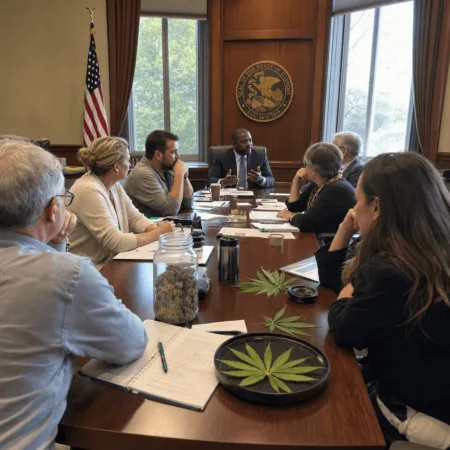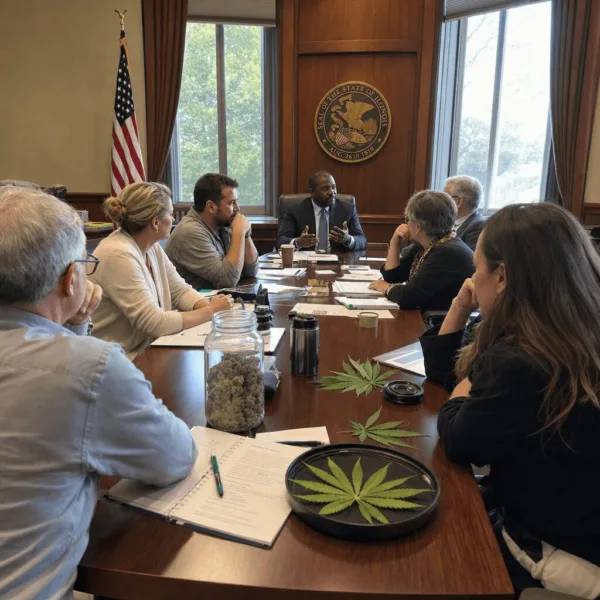





2026 Cannabis Regulatory Preview: What’s Changing Next Year?
The cannabis industry is hurtling toward one of its most pivotal moments to date. With 2026 on the horizon, fresh regulations and policy shifts are set to reshape everything from business compliance to consumer access. The 2026 cannabis regulatory preview couldn’t be more timely as legalization momentum grows, social justice advocacy gets louder, and economic opportunities continue expanding. Whether you’re a patient, business owner, or casual connoisseur, the coming year marks a turning point. Let’s break down why everyone in cannabis—or just watching the action—needs to care, diving into changing laws, hot debates, and what the industry’s top voices are saying right now.
Understanding the Context: Evolving Cannabis Regulation in the U.S. and Beyond
Cannabis law has shifted faster in the last five years than in the previous fifty. According to the National Conference of State Legislatures, nearly half of U.S. states now allow recreational use, and even more permit medical consumption. State-by-state differences create a patchwork regulatory map, turning nationwide business into a chess match. Add to this the ongoing federal debate, where rescheduling and banking reforms make headlines (see CNBC’s SAFE Banking Act coverage), and you get a market in flux, loaded with economic promise and legal uncertainty. Across the globe, countries from Germany to Mexico are drafting new rules or revisiting prohibition, as the influence of global cannabis market trends continues accelerating change. For a deeper dive into international cannabis momentum, see this exploration of how global cannabis market trends are shaping the next green wave, all signaling that 2026 will bring seismic changes.
Major Developments & Issues: What’s on the 2026 Cannabis Regulatory Preview Radar?
According to the 2026 Cannabis Year in Preview event, the coming year will feature headline regulatory updates. Lawmakers across the East Coast, especially in New York, New Jersey, and Connecticut, plan to launch new licensing rounds and industry-powered social equity initiatives in January 2026. These measures will likely require businesses to update compliance systems, track products from seed to sale, and partner more closely with regulators. In some regions, shifting laws are leaving farmers and businesses in limbo, much like the ongoing challenges faced by the Virginia hemp industry, where uncertainty continues to affect farmers and agricultural communities.
Federal-level buzz is also heating up, with Congress debating the SAFE Banking Act, which could finally open banking access for cannabis businesses nationwide. Simultaneously, the FDA is expected to clarify rules for hemp-derived cannabinoids (like CBD and delta-8), according to Hemp Grower. There are tax reform proposals heading for committee votes in Q2 2026, aimed at eliminating 280E burdens on legitimate cannabis companies (as reported by Marijuana Moment), while on the local level, communities are evaluating issues such as how marijuana zoning policy is shaping cities and towns in Massachusetts.
At the state level, Illinois is set to expand home grow rights, while California regulators will intensify lab testing requirements and ramp up anti-diversion crackdowns. Several legacy markets, such as Colorado and Oregon, are moving to retool potency caps and introduce product sustainability standards. Expect robust data tracking, stricter packaging, and, yes, more surprise audits on the compliance front.
Expert Analysis & Industry Insights: What Does This All Mean?
The 2026 cannabis regulatory preview highlights how maturing markets and lawmakers are getting more sophisticated, and so must everyone in the game. Lila Scott, legal analyst with NORML, puts it like this: “We’re watching the U.S. cannabis sector turn into a true regulated industry, but that maturity means rules and oversight only get more complex.” Industry experts at Leafly News agree: flexibility, transparency, and fairness are now central themes for businesses to survive. In recent developments, ongoing research about emerging substances—such as the exploration of psilocybin-based depression treatment without hallucinations—reflects the expanding boundaries of cannabis and psychedelics regulation.
On the practical side, tighter standards signal stability and credibility, welcoming new investors and global partners. Compliance, once the cannabis world’s biggest headache, could soon become its competitive edge. Advocates point out that new social equity and expungement programs demonstrate real learning from past missteps. As cannabis culture regulars would say, the tide’s turning, but that just means we’re surfing bigger waves. In this 2026 cannabis regulatory preview, adaptation is the name of the game.
Future Outlook & Closing Thoughts: 2026 and Beyond
The 2026 cannabis regulatory preview isn’t just a news headline—it’s a marker for an industry finally joining the mainstream. Regulatory shakeups will bring challenges, but also unlock innovation, better quality, and fairer market access. Social acceptance is growing, banks are preparing for change, and lawmakers appear open to learning as they go. According to a recent Pew Research survey, over 85% of Americans support some form of legalization, confirming that public opinion, culture, and law are finally converging. Looking ahead, the big takeaway is optimism—the 2026 cannabis regulatory preview shows us a sector that’s more resilient, more inclusive, and more ready for what’s next than ever before.
Originally reported by: foleyhoag.com