D.C. cannabis board protest: What really happened at the hearing?
The D.C. cannabis board protest is dominating headlines today for a reason. Cannabis advocates, business owners, regulators, and everyday folks are watching these hearings closely. Why? Because what happens with the D.C. cannabis board protest isn’t just a local issue—it’s a snapshot of the nation’s struggle with legal cannabis, equity, and fair business. This hearing’s fallout could reshape permit access, social equity, and community trust. Let’s break down what sparked this protest, why it got heated, who’s taking sides, and what it really means for our nation’s evolving cannabis scene.
Understanding the Stakes: Legal Landscape, Equity, and the Roots of the D.C. Cannabis Board Protest
The D.C. cannabis board protest didn’t just pop up overnight, it’s rooted in a complex web of D.C. law, rapid market growth and real community frustration. Ever since voters passed Initiative 71, cannabis laws in the District have been a wild blend of progress and potholes. Although adult possession and cultivation are legal, retail sales remain in legal limbo. The Washington Post explains how loopholes and gifting economies shape this regulatory landscape. Community voices are increasingly concerned about the downstream effects, especially as some neighborhoods have experienced surges in cannabis-related activities—often paralleling other urban issues, such as surging crime rates and associated alerts that impact public safety perceptions. Washington, D.C.’s Alcoholic Beverage and Cannabis Administration (ABCA), charged with keeping order, regularly hears protests and appeals over license grants. Community representatives, especially from Advisory Neighborhood Commissions (ANCs), raise concerns ranging from gentrification, social equity and legacy operator displacement to neighborhood safety and retail fairness. The D.C. cannabis board protest thus symbolizes this ongoing clash, reflecting a city craving progress but wrangling over how to get there fairly and safely for all. According to MJBizDaily, local operators face some of the most layered regulatory hurdles in the U.S.
Latest Developments: What Really Went Down at the D.C. Cannabis Board Protest Hearing?
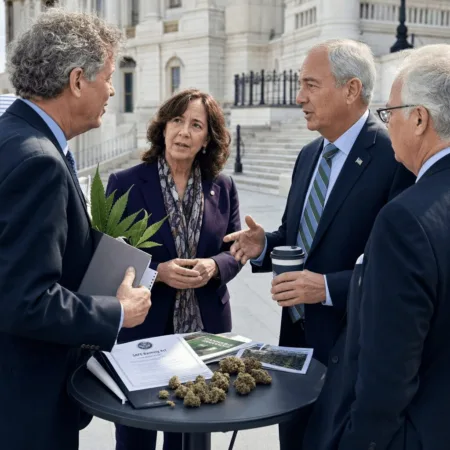
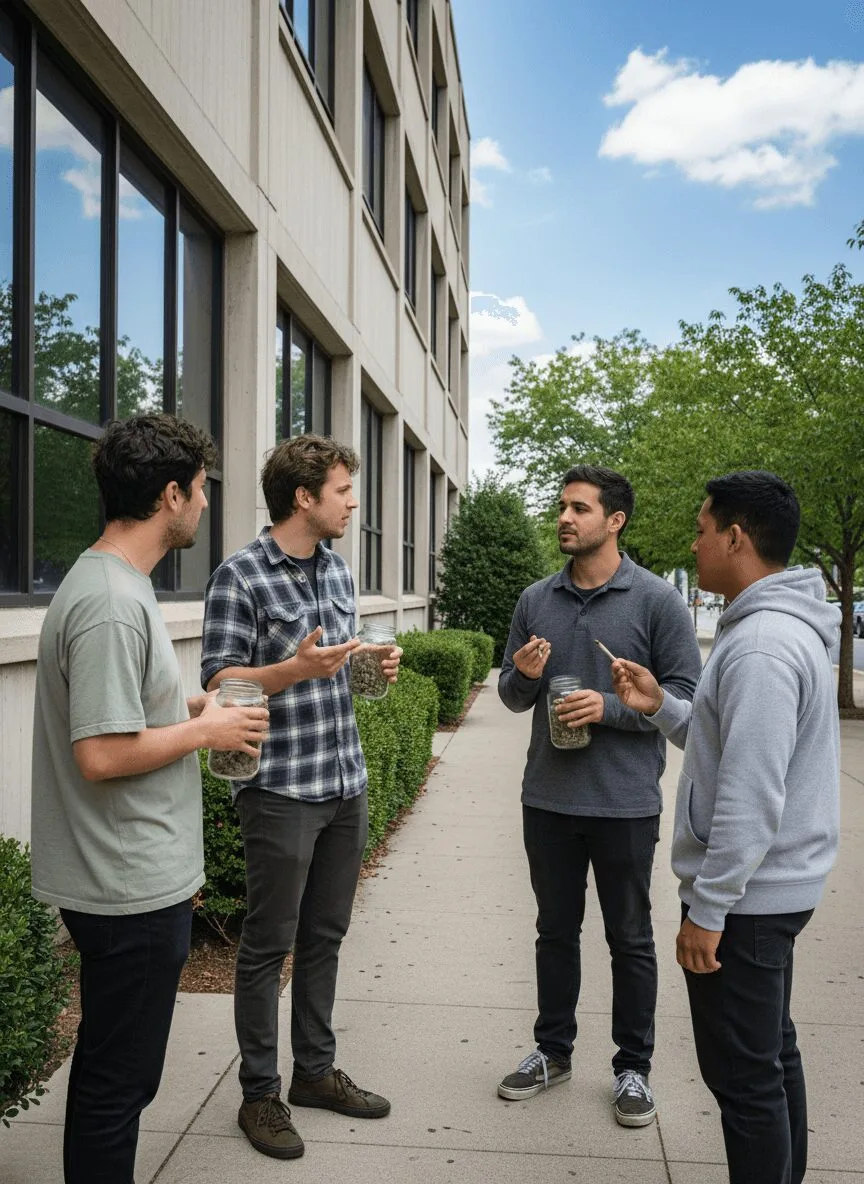
The hearing that sparked headlines involved a high-stakes showdown between ANC 6A and Proper Exotic, a well-known D.C.-based cannabis brand. The ANC’s protest targeted Proper Exotic’s license application on grounds ranging from public safety concerns to the business’s impact on neighborhood character. On hearing day, stakeholders from across the community showed up outside the government building, even as the official meeting unfolded inside. In cities across the country, the introduction of cannabis dispensaries has ignited passionate local debates—such as recent controversies sparked over odor complaints and increased scrutiny in places like neighborhoods raising uproar over marijuana odor and enforcement. According to The Outlaw Report, the ABCA board ultimately denied ANC 6A’s request for reconsideration, upholding Proper Exotic’s conditional license. The protest didn’t stay quiet: neighborhood advocates aired grievances, Proper Exotic countered with community support testimonials and observers pointed out the need for clear, enforceable rules. This wasn’t a subdued courtroom drama, it was a visible, passionate debate about whose interests drive D.C. cannabis decisions.
- Date of hearing: Early June 2024
- Main parties involved: ANC 6A, ABCA, Proper Exotic, neighborhood advocates
- Outcome: ANC protest rejected, Proper Exotic maintains licensing status, with further stipulations
Alongside ongoing legal friction, the D.C. cannabis board protest underscored mounting frustration over slow reforms, unclear rules, and perceived power imbalances between big brands and local voices.
Expert Take: Why the D.C. Cannabis Board Protest Hits Hard in 2024
Let’s be real, what’s happening with the D.C. cannabis board protest is both a local disruption and a national case study. In the cannabis world, licensing protests can either ensure transparency or bog down progress. D.C.’s situation has many layers. As Marijuana Moment reports, many Washington-area entrepreneurs are trapped between legacy-market hustle and the glacial pace of regulatory change. Unique challenges like these are echoed in other regions with slow-moving regulatory frameworks, as seen in places considering new public smoking bans—such as ongoing discussions and shifts in policy in Florida detailed here, highlighting what it means for public consumption in 2024. One industry insider, Leafly columnist Bruce Barcott, nails it: “Every time a licensing board drags its feet, it’s not just slowing business—it risks undermining the equity and accessibility the law was supposed to deliver.” He continues, “Protests have a real place if they push for safety and inclusion, but outright obstruction just squeezes out grassroots players in favor of whoever can afford the wait.” For dispensaries like Proper Exotic, the double bind is real: build credibility and follow the letter of the law, but navigate ongoing skepticism and shifting goalposts. Cannabis advocates argue that while regulations are needed, delays and denials must serve meaningful public good, not just neighborhood gatekeeping. The D.C. cannabis board protest is now a focal point for calls to streamline licensing, prioritize social justice, and invest in harm reduction, not additional bureaucracy.
Looking Forward: The Future After the D.C. Cannabis Board Protest
The D.C. cannabis board protest is a reminder: cannabis reform is messy, lively, and very much alive in our capital. While this particular license battle was tough, every voice—pro, con, patient, entrepreneur, activist—pushes us closer to a more honest, inclusive market. According to recent commentary from Forbes, smart regulation and robust community feedback are the twin engines of a thriving cannabis industry. Washington, D.C. isn’t backing away from tough conversations. With greater public participation, better rule-making, and a healthy dose of patience, there’s real hope that cannabis can move from the street corner to the mainstream—without leaving anyone behind. The next chapter of D.C. cannabis board protest history promises to be bold, challenging, and ultimately transformative for the community and the country.
Originally reported by: outlawreport.com