


Independence marijuana smoking ban: What you need to know now
The Independence marijuana smoking ban is making headlines, and for good reason. As more cities in Missouri and across the country wrestle with the public use of cannabis, Independence is stepping up with a significant proposal. This change matters now as legalization spreads, public attitudes evolve, and people demand a middle ground between individual rights and community impact. In this guide, I’ll break down what the Independence marijuana smoking ban means if you live, work, or visit the city and what might come next for cannabis culture in America’s heartland.
Why This Ban Is Happening: Background & Context
Cannabis legislation remains a hot topic across the country, with rapidly changing laws that have significant local impact. Since Missouri legalized recreational marijuana in February 2023, local governments have faced tough decisions about the balance between personal freedom and public health. In Independence, community leaders have witnessed rising reports of people consuming cannabis in bustling public spaces, such as parks, sidewalks, and major events. The state’s current rules continue to leave much of the decision-making to municipalities. This decentralized approach means that cities like Independence truly determine their own public consumption rules. As consumption patterns evolve and residents’ concerns grow, city officials have been tasked with considering the best ways to address the changing cannabis landscape. This local movement echoes broader trends in public use debates—an issue explored further in discussions about public marijuana smoking bans emerging elsewhere in the US. The Independence marijuana smoking ban stems directly from these real community-level discussions, rather than from distant legislative bodies.
Key Developments & Issues: What’s Changing With the Independence Marijuana Smoking Ban?
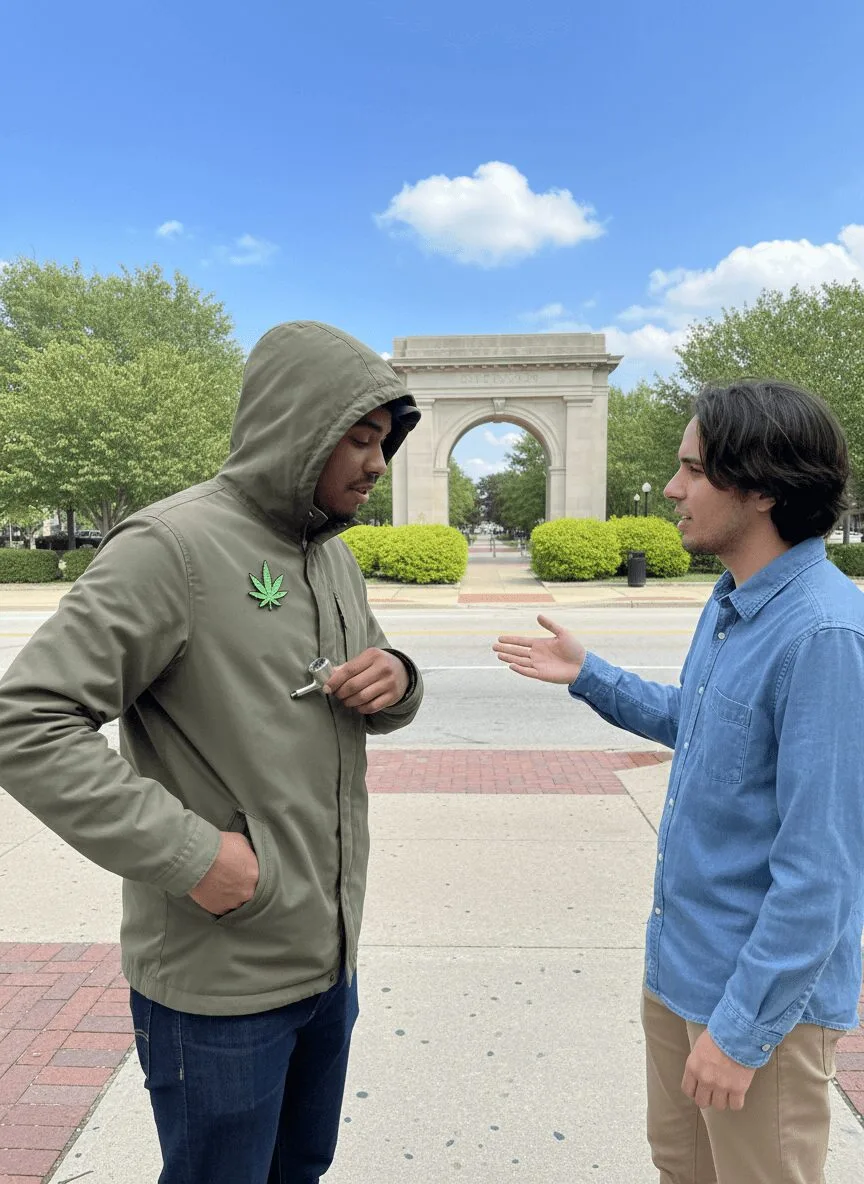
On June 3, 2024, the Independence City Council took steps toward officially banning the smoking or consumption of marijuana in all public spaces citywide. According to KMBC News, the proposed rules would align cannabis restrictions with those already placed on tobacco — essentially, if tobacco is off-limits in a location, cannabis would be too. The restrictions would apply to all city-owned property, parks, sidewalks, and streets. The City Council’s move was driven by ongoing feedback from both residents and law enforcement, who have noted more visible use in parks since legalization. Practically, the proposed enforcement involves fines rather than criminal charges, with violators facing up to a $100 penalty. The ordinance, however, still awaits final approval expected later this June. These moves reflect a growing trend of city-level adaptation since legalization, as explored in recent community debates about cannabis regulation and odor concerns. As highlighted by KCUR News, more cities are enacting these measures as they adapt to the post-prohibition era.
Expert Analysis & Pro-Cannabis Counterpoints
Let’s not mince words, the Independence marijuana smoking ban is one of several local restrictions being passed as communities adapt to the realities of legalized cannabis. But does this represent an unnecessary crackdown, or just a sign of maturing regulation? Longtime industry advocates, like NORML Board Member Dan Viets, argue, “We’ve always advocated for fairness—if tobacco can’t be used publicly, then cannabis should be treated the same. What isn’t fair is criminalizing private, responsible behavior.” Most experts favor policies that reduce public nuisances without resorting to excessive punishment and keep the focus on civil rather than criminal penalties. These policies, including the Independence marijuana smoking ban, help clarify boundaries for responsible use, which most regular consumers already follow. Research into how cannabis reforms are shifting public health policies is growing — as is interest in how changes in cannabis rules are impacting the brain, neuroscience, and outdoor communities. As MJBizDaily notes, cities that set clear and fair local rules tend to see smoother adoption and greater community support for legalization in the long run.
Future Outlook & Conclusion: Evolving Cannabis Culture in Independence
Looking ahead, the Independence marijuana smoking ban is unlikely to slow the spread of legal cannabis in Missouri or nationwide. Instead, it’s just the next chapter in society’s negotiation over what responsible use looks like. As Leafly News points out, every year more Americans support both legal access and reasonable boundaries for where cannabis can and can’t be consumed. Light touch enforcement, clear rules, and ongoing public education are the name of the game. If the Independence marijuana smoking ban passes, it could serve as a model for other mid-sized cities looking for sensible solutions. Cannabis culture isn’t about breaking rules; it’s about freedom and respect, two things that still have strong roots in the Midwest. Bottom line: Stay aware, know your local laws, and keep the movement moving forward—together.
Originally reported by: kmbc.com
1 Comment
Pingback: Prison Visitor Marijuana Arrests: What Really Happens?