

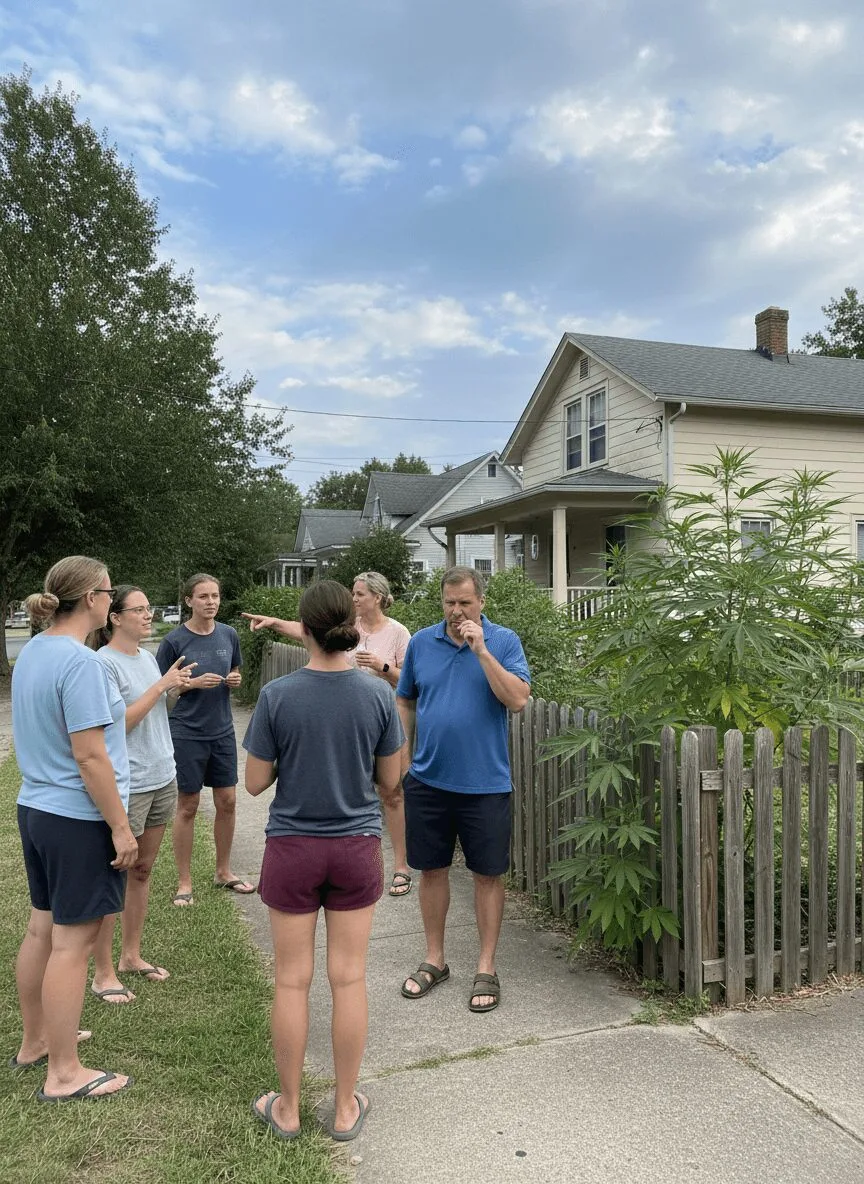
Rock Hill marijuana odor sparks outrage and investigation
There’s a fresh green debate growing in Missouri, and it all centers around the Rock Hill marijuana odor causing major neighborhood buzz. As legalization blooms across the U.S., communities like Rock Hill are on the frontlines, navigating new realities. Residents are now vocal about the unmistakable scent drifting through their streets, prompting a state investigation and heated conversations about cannabis, odor, and coexistence. Let’s break down why this local drama matters for the cannabis industry, public opinion, and evolving regulations in Missouri.
Background: Cannabis Legalization and Local Challenges in Rock Hill
The rise of the Rock Hill marijuana odor isn’t just about one street or one community, it’s a direct result of shifting national and state cannabis policies. Missouri made headlines by legalizing medical marijuana in 2018, expanding to adult use via Amendment 3 in late 2022, as reported by NPR. These new freedoms mean more legal grows, dispensaries, and cannabis-friendly residents. But with growth comes growing pains, especially for municipalities adjusting to cannabis-related nuisances like odor. According to Missouri Cannabis Trade Association, many communities are still developing zoning laws and compliance strategies. Notably, cities nationwide are navigating the consequences of ambiguous or rapidly changing laws, similar to those changes discussed in how Texas hemp regulations are shaping the cannabis industry. For Rock Hill, nestled near St. Louis, the challenge now is balancing the market’s expansion with neighborhood quality-of-life concerns, highlighted by the persistent Rock Hill marijuana odor that’s become impossible for some residents to ignore.
Key Developments: Resident Complaints and State Investigation Over Rock Hill Marijuana Odor
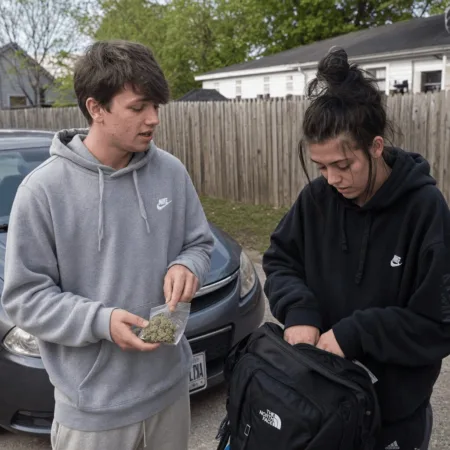
This isn’t just idle neighborhood chatter. Last week, according to a detailed report by KSDK News, multiple Rock Hill residents lodged formal complaints with city officials about a powerful, skunky smell wafting through local streets. Neighbors described the Rock Hill marijuana odor as ‘unmistakable,’ with one resident saying, “It’s pungent, it lingers, and it really disrupts our evenings.” The state’s Department of Health and Senior Services, charged with regulating Missouri’s cannabis industry, confirmed an active investigation into potential non-compliance by a local licensed grow, with city council meetings turning into standing-room-only events as concerned homeowners voice their frustration. Regulatory challenges like these echo how changes at the state and federal level can cause uncertainty for both businesses and residents. Notably, the company at the center of the controversy has stated via public documents that it strictly follows filtering and odor control guidelines mandated by state law. Still, the ongoing Rock Hill marijuana odor complaints have pushed the city to consider new ordinances tightening odor mitigation requirements, underscoring how legalization meets real neighborhood impact in 2024.
Expert Analysis: Industry Insights and Pro-Cannabis Perspective on Rock Hill Marijuana Odor
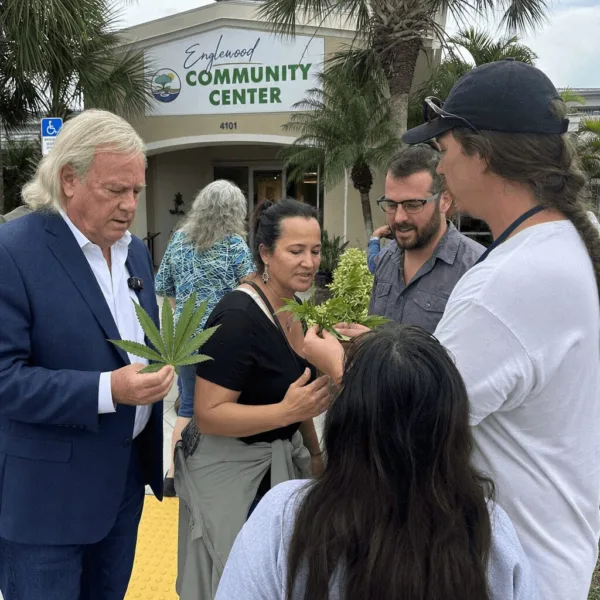
Let’s keep it real, odor is an age-old cannabis gripe, even in states where weed is fully legal. But here’s what sets the Rock Hill marijuana odor debate apart: it’s happening at a time when Missouri cannabis sales are surging and the industry is under scrutiny to prove it’s a good neighbor. As industry experts at Marijuana Moment point out, “proper ventilation and carbon filtration can all but eliminate nuisance smells, but many small-scale operators struggle to invest in top-tier systems.” John Payne, executive director of Legal Missouri 2022, told local reporters, “Communities and producers will find balance over time, cannabis isn’t going anywhere, but neither is our responsibility to be good neighbors.” Many industry insiders agree, a solution is totally within reach. Recent incidents in other regions, such as Florida’s evolving approach to public cannabis use and smoking regulations, show that regulators have frameworks for compliance, and real collaboration between city officials, residents, and operators usually gets better results than finger-pointing or knee-jerk bans. Beyond odor, experts say these incidents can accelerate improvements to industry standards statewide, and that’s healthy for everyone who cares about quality cannabis and thriving neighborhoods.
Forward Look: Cannabis Maturity and the Future of Rock Hill Marijuana Odor
While the Rock Hill marijuana odor has turned up the volume on neighborhood debates, it’s also feeding smarter conversations about coexistence and cannabis’ maturing role in Missouri. Communities everywhere are asking tougher questions, and that’s a good thing. Industry players are motivated to innovate, city leaders are drafting smarter policy, and many residents genuinely want solutions that work for everyone—token stoners and soccer parents alike. As Leafly News recently reported, the future hinges on partnership, transparency, and the will to blend progress with respect. Missouri’s cannabis journey is still evolving—and if this Rock Hill marijuana odor stirs up better rules and friendlier neighbors, maybe that’s the sweet smell of progress (with a hint of terpenes).
Originally reported by: ksdk.com