Cannabis Legalization Challenges: Schedule III Exposes New Battles
The conversation on cannabis legalization challenges is heating up, especially after the federal government’s move to shift cannabis to Schedule III. This change sparked optimism in the weed community, but now exposes a fresh wave of legal, regulatory, and social disputes. From evolving industry hopes to unexpected pushbacks, the landscape is shifting fast. Let’s break down what’s fueling the debate, why it matters, and what it means for every bud, business, and advocate riding this rollercoaster.
The Road to Now: Cannabis Legalization Challenges in Context
For years, cannabis legalization challenges have shaped U.S. policy debates, market hurdles, and grassroots activism. The move to downgrade cannabis from Schedule I to Schedule III under the Controlled Substances Act marked the first significant federal shift in decades. Leafly reports this reclassification aims to recognize documented medical use. But it doesn’t mean legalization is problem-free just yet. State laws, uneven enforcement, social stigma, and federal banking access hurdles all continue to complicate cannabis businesses’ day-to-day reality. Local incidents, such as recent events in upstate New York, demonstrate how evolving state laws impact both businesses and individuals—a Chemung County cannabis arrest exposes ongoing tensions. According to NORML and Marijuana Moment, even as public support for legal weed surges above 65%, real-world progress is tangled in overlapping jurisdictional, financial, and cultural obstacles. To industry veterans, the rescheduling isn’t a gold ticket, it’s just the start of deeper federal cannabis legalization challenges.
Schedule III: Recent Developments & Core Issues
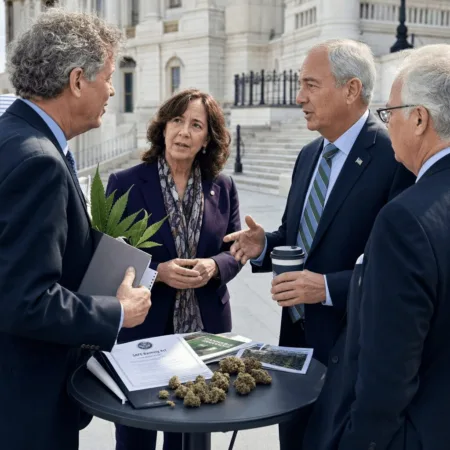
The DEA’s recent move to recommend placing cannabis in Schedule III (Justice Department, 2024) marks the agency’s first major reconsideration in 50 years. This could ease some burdens, like opening doors to research and loosening tax limitations famously known as 280E. However, as NH Journal explains, the new classification doesn’t actually legalize recreational weed federally. Controlled substances rules still apply. Legal experts point out that state medical and adult-use programs could conflict with federal mandates—a legal tightrope for operators and consumers alike, especially as state-level amendments, such as Florida’s push for recreational marijuana, highlight the fragmented regulatory environment. Several advocacy groups have voiced concern about possible federal preemption or watchdog clampdowns. Major cannabis companies are navigating a patchwork set of standards, with some hoping for deeper reforms such as banking access improvements (source: U.S. Treasury, 2024). Timeline clarity is also scarce, the final rescheduling remains under review, prolonging industry uncertainty. For now, the Schedule III move is more the beginning of a new battlefield than a decisive win.
Industry Insight: Expert Analysis on Cannabis Legalization Challenges
Veteran insiders see the Schedule III switch as a mixed bowl, some relief and new headaches. As NORML cautions, “Schedule III is a step, not a leap. The barriers and stigma are real until full legalization arrives.” The 280E tax break would lift cash flow headaches for dispensaries, but access to interstate commerce and investment remains murky. Regulatory uncertainty also scares away smaller players, risking more industry consolidation and raising the stakes, especially following contentious incidents—such as those highlighted recently when a marijuana arrest in Larchwood sparked viral debate—and demonstrates how complex compliance issues and local enforcement interplay. Marijuana Moment notes that the community is “still hustling for clear rules, safe access, and banking equality.” In the words of Steve Hawkins, former executive director at the U.S. Cannabis Council, “Anyone claiming Schedule III solves all cannabis legalization challenges is daydreaming. It’s progress, but there’s way more grinding ahead.” Ongoing legal battles, complex compliance, and banking headaches will define the next phase of cannabis reform across America.
Looking Ahead: The Future of Cannabis Legalization Challenges
Despite the current messiness, most industry leaders are optimistic about the future. Social stigma is fading as more Americans back legal, safe access. States like Illinois and California are showing what functional, taxed adult-use programs can look like. According to Pew Research Center, two-thirds of U.S. adults now favor some form of legalization. The ongoing cannabis legalization challenges highlight the need for smarter laws, clearer regulations, and continued advocacy at every level. If history proves anything, it’s that progress isn’t easy—but it’s happening. For activists, consumers, and entrepreneurs, now is a time to stay loud and keep moving the industry forward, high spirits required.
Originally reported by: nhjournal.com