





Washington County drug bust: Corrections Officer Arrested
The term Washington County drug bust is making headlines for more than one reason—and it’s sparking serious conversations far beyond local law enforcement. With public attitudes toward cannabis shifting fast nationwide, these events highlight real tension between old rules and new reforms. As legalization expands, every high-profile case—especially when it involves trusted community figures—forces us to reckon with outdated policies, ongoing prohibition, and growing market demand. In this piece, I’ll break down the recent Washington County drug bust, why it’s a hot topic today, and what we should all be watching as the legal landscape keeps evolving.
Understanding the Washington County Drug Bust: Legal and Social Context
Cannabis law in the U.S. has always been a patchwork, with ongoing clashes between state reforms and federal prohibition. In many southern states, including Georgia, cannabis remains a Schedule I controlled substance, meaning cultivation and possession can still land you in hot water, especially if the volume goes beyond personal use. As NORML outlines, even small-scale cultivation is a felony here, so law enforcement treats these things seriously.
But here’s the fun twist: Nationally, cannabis is roaring into the mainstream. Over 25 states have legalized recreational adult use, and more are jumping aboard each year (Marijuana Policy Project). These shifting policies are also resonating beyond Georgia, as surprising regional busts—in states like Louisiana, reflected in this fresh look at arrest reports and reform discussions in SWLA—have driven renewed debate on outdated drug enforcement. Community perspectives now swing between support for law enforcement and calls for sensible policy change, especially as the legal cannabis market surges above $30 billion annually (New Frontier Data).
Key Developments from the Washington County Drug Bust
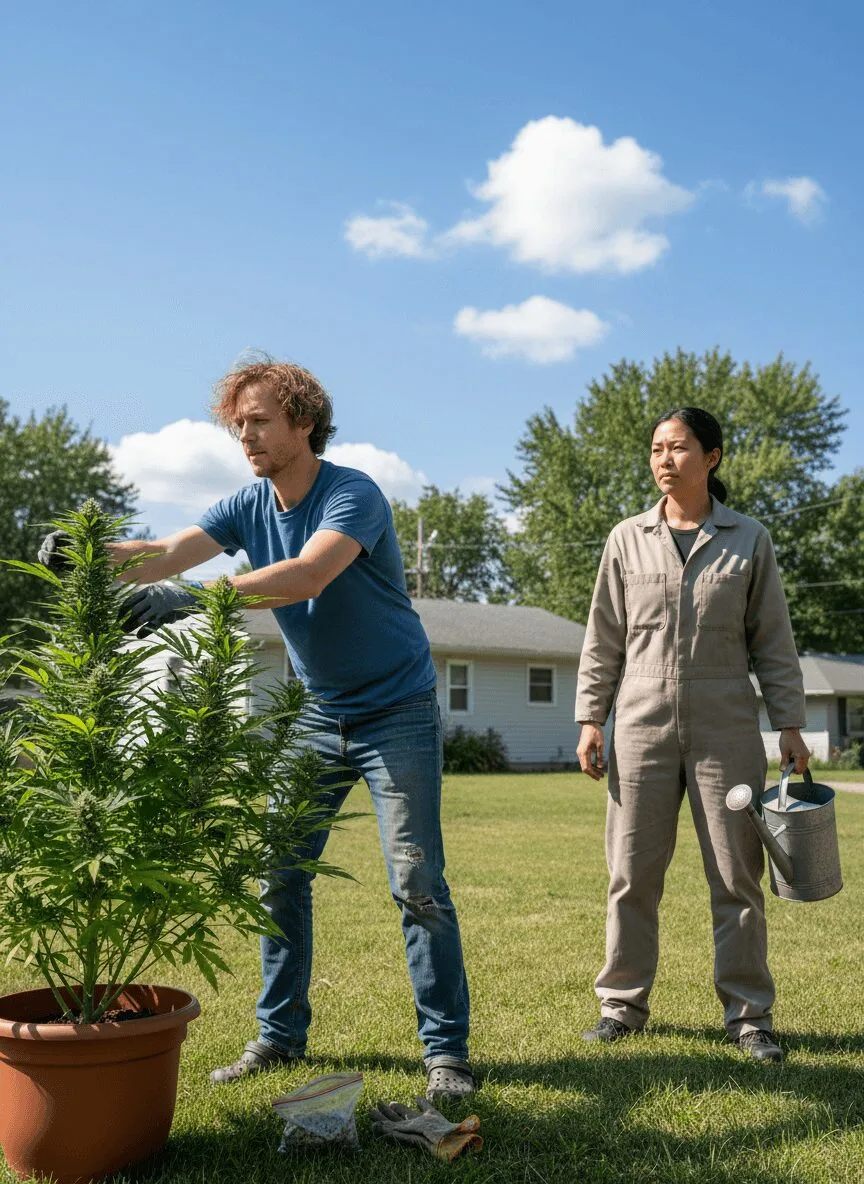
On January 18, 2026, Washington County, Georgia, witnessed an unexpected scandal during a local Washington County drug bust. According to WRDW News 12, a corrections officer and one other adult were taken into custody during a targeted operation near a residential area, with a suburban landscape hiding the dramatic scene.
Cops uncovered a small but active cannabis cultivation setup. Details released by the sheriff’s office and corroborated through 13WMAZ News indicate they seized live cannabis plants, dried flower, and basic DIY grow gear—a setup any hobbyist would recognize. Significantly, one of the arrested was an active-duty corrections officer—an extra layer of drama that instantly escalated public interest. As stated in the police press release, charges included felony manufacturing and intent to distribute, both serious business in Georgia’s legal system. This story echoes other high-profile incidents in the region, including a recent bust in Dallas that quickly became the focus of community debates and police scrutiny.
The key? This bust rapidly became a regional talking point, igniting debate across Georgia’s tight-knit cannabis scene and rattling the local law enforcement community, especially given the trusted position of one of those arrested. Court dates are pending, with lawyers already hinting at potential procedural errors or overreach, a common battleground in these older-guard states.
Expert Analysis and Nuanced Cannabis Industry Insight
From a cannabis industry perspective, the Washington County drug bust exposes the deep disconnect between evolving mainstream views and rigid regional enforcement. Most importantly, this isn’t just about one bust. It’s about how legalization efforts keep clashing with the realities still facing enthusiasts, medical patients, and—sometimes—those entrusted with upholding the law.
“In states lagging on reform, enforcement action can feel arbitrary, and the collateral damage extends well beyond the courtroom,” notes Leafly’s senior policy editor, David Downs. His take? “Every time law enforcement stages a bust like this, lawmakers get reminded that cannabis prohibition isn’t just outdated, it’s actively driving good people into harm’s way.” In the Southeast, a similar ripple effect followed the Oconee County drug arrest, showing how enforcement incidents often stir lasting policy conversations.
In recent years, regional law enforcement has struggled to align its efforts with an undeniable cultural shift. According to the Pew Research Center, nearly 9 in 10 Americans now support some form of cannabis legalization, including a healthy majority in southern states. That spells mounting pressure for policymakers and prosecutors to modernize how these situations are handled. As more states legalize, enforcement of cannabis laws in prohibition states can look increasingly regressive, with some communities, such as El Paso, Texas—where new developments at the El Paso Electric Meta Power Plant are intersecting cannabis and tech—moving in dramatically different directions.
The Road Ahead: Shifting Attitudes and the Future Beyond Washington County Drug Busts
The Washington County drug bust has already prompted soul-searching across Georgia’s cannabis community, but it also signals a broader cultural pivot. Most industry insiders agree: Incidents like these are catalysts, not roadblocks. They spark the very activism and policy debates that eventually create fairer systems, safer communities, and a smarter path forward.
Cannabis prohibition’s grip is slipping. Between bipartisan support for reform, undeniable economic upsides, and plunging rates of violent crime in legal markets (Americans for Safe Access), the future points toward legalization, harm reduction, and second chances. As attitudes evolve, so too will the laws—and hopefully those wound up in the system will see real justice and real change.
This story, like the hundreds before it, is one more sign that the end of cannabis prohibition in Georgia isn’t a question of if, but when. That’s how positive change starts: one Washington County drug bust at a time, until the last one just fades into history.
Originally reported by: wrdw.com
1 Comment
Pingback: Cartel Infiltration Marijuana: Shocking Truths Revealed