Veterans Cannabis Pain Management: Real Stories & Relief Revealed
If there’s one conversation lighting up the cannabis world right now, it’s veterans cannabis pain management. With legislative shifts rippling across the states and veteran communities demanding real, compassionate solutions for chronic pain, this subject is hotter than a fresh joint on Veterans Day. As lawmakers debate, veterans themselves are bravely sharing how cannabis is changing their lives, particularly in the Sunshine State. Today, we’ll dive deep into what’s happening on the ground, recent breakthroughs, what advocates and skeptics say, and why these stories matter for everyone invested in modern medicine and policy reform.
Regulatory, Social, and Market Factors Shaping Veterans Cannabis Pain Management
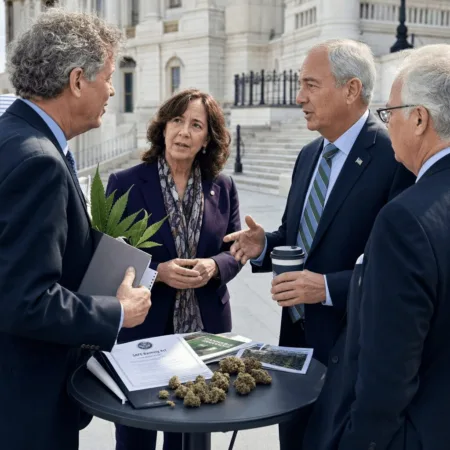
When it comes to veterans cannabis pain management, there’s a complex tangle of federal laws, VA policy, and a patchwork of state regulations. While organizations like the American Medical Association highlight the immense risk of opioid dependency among veterans with chronic pain, the Department of Veterans Affairs continues to follow strict federal guidelines, meaning VA healthcare services won’t directly prescribe or cover medical cannabis—even in states where it’s legal.
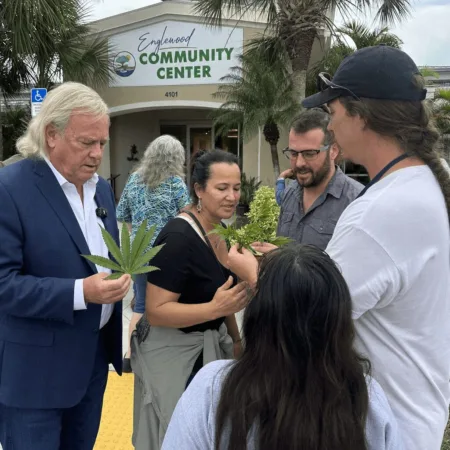
Florida, for instance, has become a modern battleground. Medical cannabis is legal for qualified conditions, and pain management stands as a major qualifier. Recent challenges to the state’s marijuana program have been amplified by Governor DeSantis’s executive orders that threaten the progress of Florida’s marijuana referendum. Over 700,000 Floridians, including tens of thousands of veterans, are now registered patients. At the same time, social acceptance has grown: Polls by Pew Research show most Americans, especially veteran families, support medical marijuana access. But bureaucratic resistance and social stigma still complicate patient access, stalling the normalization that industry insiders and advocates fiercely push for.
Pivotal Developments in Veterans Cannabis Pain Management
The stories coming out of Florida are powerful and representative. According to a compelling feature in High Times, advocates and medical professionals surveyed 900 veterans enrolled in the state’s medical cannabis program. These veterans shared raw, moving accounts of life before and after obtaining legal access. The data confirms dramatic drops in reliance on opioids and pharmaceuticals, and boosts in quality of life, sleep, and mobility.
Since Florida’s 2016 passage of Amendment 2, the program’s reach has expanded rapidly. Clinics such as Trulieve, physician networks, and increased activism have made it easier for veterans to get certified and coached on safe cannabis use. The growing influence of community-driven efforts in the cannabis industry can be seen in the way local networks have supported veterans seeking care, drawing inspiration from how grassroots outreach is changing the industry for good. The survey outlined that over 65% of respondents reduced their traditional painkillers, and nearly 80% felt more hopeful about their futures. Still, barriers remain: many report financial challenges, lack of consistent education, and fear of losing federal benefits, often citing VA policy and federal illegality as ongoing concerns. Recent headlines from Military.com show promise, with the House recently passing a bill that could allow VA doctors to recommend cannabis in legal states if the Senate follows suit.
Expert Analysis, Insights, and Pro-Cannabis Counterpoints on Veterans Cannabis Pain Management
Let’s break it down with a bit more context, because the impact of veterans cannabis pain management runs deeper than a single survey. Numerous industry voices—backed by research from renowned institutions like NORML—agree: Medical cannabis can and does help manage conditions like chronic pain, PTSD, and insomnia, all of which are disproportionately prevalent in veteran populations. A 2023 Forbes article cited leading advocate Dr. Sue Sisley: ‘For so many veterans, cannabis is a safe off-ramp from both opioids and alcohol. The stories are consistent and compelling, and the scientific foundation is growing stronger every year.’
The significance is two-fold: Not only does medical marijuana present a lower-risk pain management alternative compared to opioids, but it also supports mental and emotional health. The stigma remains, which is a recurring theme in civil rights history—the way cannabis reform and social justice are being intertwined in a new era of activism underscores the ongoing struggle for acceptance. Industry leaders call for expanded research, education campaigns, and stronger partnerships between cannabis physicians and veteran organizations. According to Marijuana Moment, collaborative education is already showing positive results wherever it’s supported by state health departments and legitimate medical networks.
The Future of Veterans Cannabis Pain Management: Rising Hope & Real Challenges Ahead
The momentum behind veterans cannabis pain management is undeniable and, frankly, overdue. As more states—plus Congress—inch toward sensible reform, veterans are emerging as some of the most persuasive voices in the cannabis space. Their lived experiences give weight to the argument that medical cannabis should be a basic option, not a legal grey area. Florida’s story isn’t unique, but it’s setting a blueprint others can follow as federal barriers slowly erode. Expect even greater progress as leading organizations, researchers, and policymakers come together to prioritize compassionate access and scientifically sound recommendations. According to a 2024 report by the Cannabis Business Times, demand for veterans-specific education, product innovation, and wellness programs is expected to rise steadily. While challenges persist, the future looks bright—a landscape where veterans cannabis pain management means actual relief, community, and dignity.
Originally reported by: hightimes.com