


Goliad THC grant resolution: What it Means for the County
These days, every county-level cannabis move matters. That’s why the Goliad THC grant resolution is making news. With Texas inching toward reform, Goliad County is showing that even smaller governments have a role in shaping cannabis conversations. This isn’t just another local meeting—these resolutions mean resources, social progress, and potential economic growth. Let’s unpack what it means for locals, regulators, and the wider cannabis scene in the Lone Star State.
Background: Texas Cannabis Regulation & the Role of County Resolutions
Texas cannabis law has always been strict, but recent years have brought change. When the 2018 Farm Bill federally legalized hemp, Texas responded with its own program, but counties play a crucial part. Unlike progressive states such as Colorado or California, Texas counties still operate within a conservative framework, often emphasizing compliance, not expansion. According to The Texas Tribune, local leaders hold surprising sway over what cannabis looks like in their towns, from law enforcement priorities to grant funding. THC grant resolutions are one way local governments can tap statewide resources, demonstrating need, public interest, or readiness for pilot programs. As seen in other markets where changes have been introduced, the broader story of recreational cannabis legalization can create pathways to local innovation. With the Goliad THC grant resolution, county officials aren’t trying to turn the courthouse green overnight. Instead, they’re seeking financial support and research to address residents’ needs, navigate state laws, and potentially unlock future opportunities as Texas modernizes cannabis policy.
Key Developments: How the Goliad THC Grant Resolution Unfolded
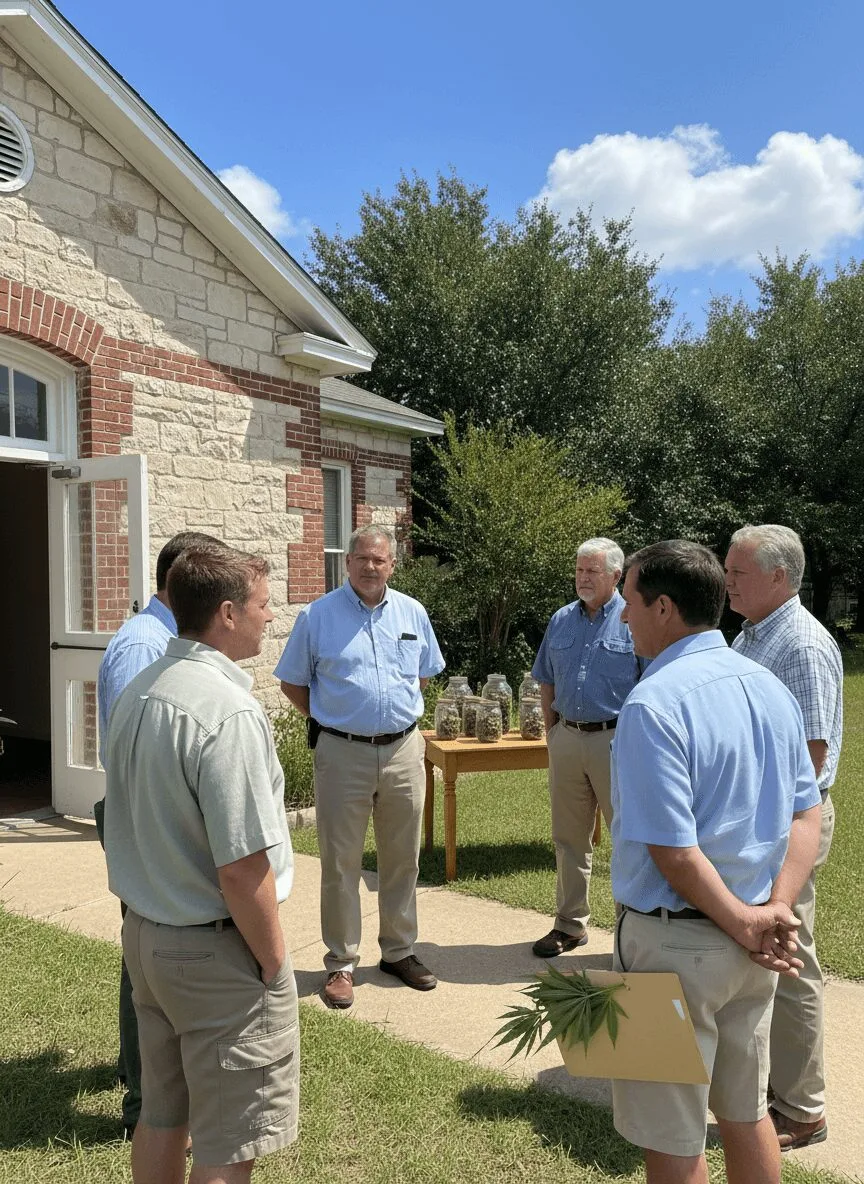
Let’s break down what went down in Goliad. On June 27, county commissioners officially approved the Goliad THC grant resolution. This move aligns Goliad with other counties leveraging Texas Historical Commission (THC) grants. The South Texas News reports that local officials met at the Goliad County courthouse, where a formal vote supported a resolution explicitly requesting THC grant resources. While THC here refers to the Texas Historical Commission, this step uniquely intertwines cannabis policy and heritage site funding mechanisms. The grant itself aims to help preserve county resources and support development. No, this isn’t about opening dispensaries outside the courthouse, but it’s proof that cannabis reform and traditional grants can overlap in unexpected ways. County leaders, caught on candid camera with summer attire and those famous Texas folders rumored to have cannabis-related docs peeking out, showed the world that policy shifts start locally. The experience of other rural communities demonstrates that local changes can spark statewide conversations. The action signals interest in the broader implications of the cannabis market, making Goliad a South Texas county to watch.
Expert Analysis: What Goliad’s THC Grant Resolution Means for Texas
So why should cannabis advocates, farmers, and business owners care about the Goliad THC grant resolution? First, these county-level actions pave the way for more open discussions of medical and adult-use cannabis in Texas. As industry experts point out, local initiatives and infrastructure funding often lay the groundwork for broader change. As cannabis advocate and historian Jasmine Garza told Marijuana Moment, “Grassroots policy wins are how we chip away at stigma and set the stage for bigger reforms. Every town hall, grant, or council vote in places like Goliad builds a practical roadmap for statewide improvements.” When analyzing trends, other states’ increasing marijuana sales provide context for why Texas counties want to align early. Goliad’s step also sends a clear message: counties aren’t just waiting on national news, they’re creating it, one resolution at a time. If lawmakers in Austin notice dozens of counties getting organized, they’re more likely to prioritize real cannabis reform when it’s back on the docket.
Outlook: Goliad, Texas—and the Road Ahead
The Goliad THC grant resolution may look like a small administrative step, but it’s actually setting the tone in South Texas. Local governments who signal readiness for THC funding—whether for historical preservation or future cannabis pilot programs—are building practical alliances. They show that the cannabis conversation is no longer a city-vs.-country issue. According to national NORML data, community-driven strategies like this move the needle—not just on policy, but on hearts and minds. As Texans keep an eye on cannabis expansion across America, expect more counties to follow Goliad’s lead: building coalitions, inviting investment, and taking practical steps toward a more open, equitable, and modern cannabis industry in Texas. Stay tuned, because local moves today often pave the way for tomorrow’s breakthroughs.
Originally reported by: southtexasnews.com
1 Comment
Pingback: Matt Damon Ben Affleck The Rip: Untold Truths Revealed