




Montana recreational marijuana sales hit the billion-dollar mark
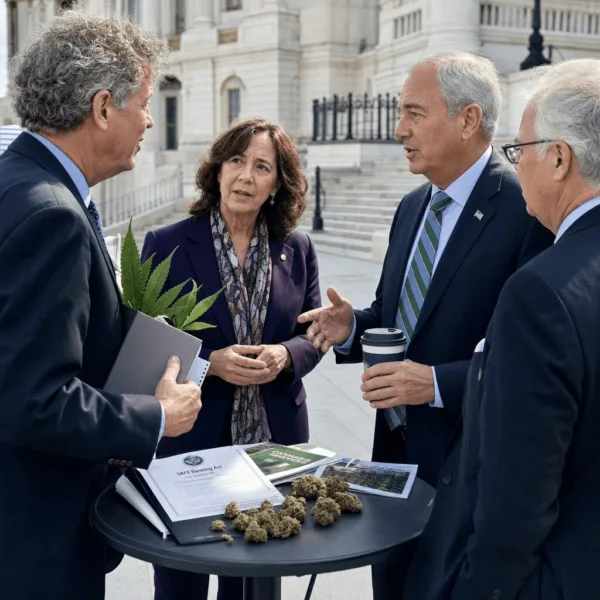
It’s official—Montana recreational marijuana sales have just shattered the billion-dollar barrier, and the ripple effect is felt statewide. Whether you’re a casual user, industry insider, or skeptical bystander, this milestone drops at a time of surging market confidence and policy evolution across the U.S. From bustling dispensaries to shifting local attitudes, Montana’s cannabis landscape is set for even bigger things. Here’s why this moment is especially relevant now, and what it could mean for the future of Montana recreational marijuana sales, business owners, and communities statewide.
The Road to Legalization: Market & Regulatory Backstory
Montana’s journey to one of the country’s hottest cannabis markets didn’t happen overnight. In 2020, Montana voters passed Initiative 190, legalizing recreational cannabis for adults 21 and older, setting up a system for licensed retail sales and state-regulated operations. The Montana Department of Revenue took the reins on implementation, enforcing a set of robust compliance standards. State regulators, according to official Montana government releases, prioritized transparency, public safety, and fair competition. For a rural state known more for cattle than cannabis, this pivot marked a seismic cultural shift. Social attitudes moved quickly, fueled by national legalization momentum and favorable economic forecasts from sources such as MJBizDaily. Concerns over illicit activity during early legalization debates, similar to trends seen in other states, were addressed thanks to Montana’s focus on rigorous oversight and compliance policies as community and policy discussions unfolded elsewhere. Compliance rules around labeling, product safety, and taxation set Montana apart from early adopter states, helping keep things above board and building trust.
Key Events: The Billion-Dollar Milestone & What Sparked It
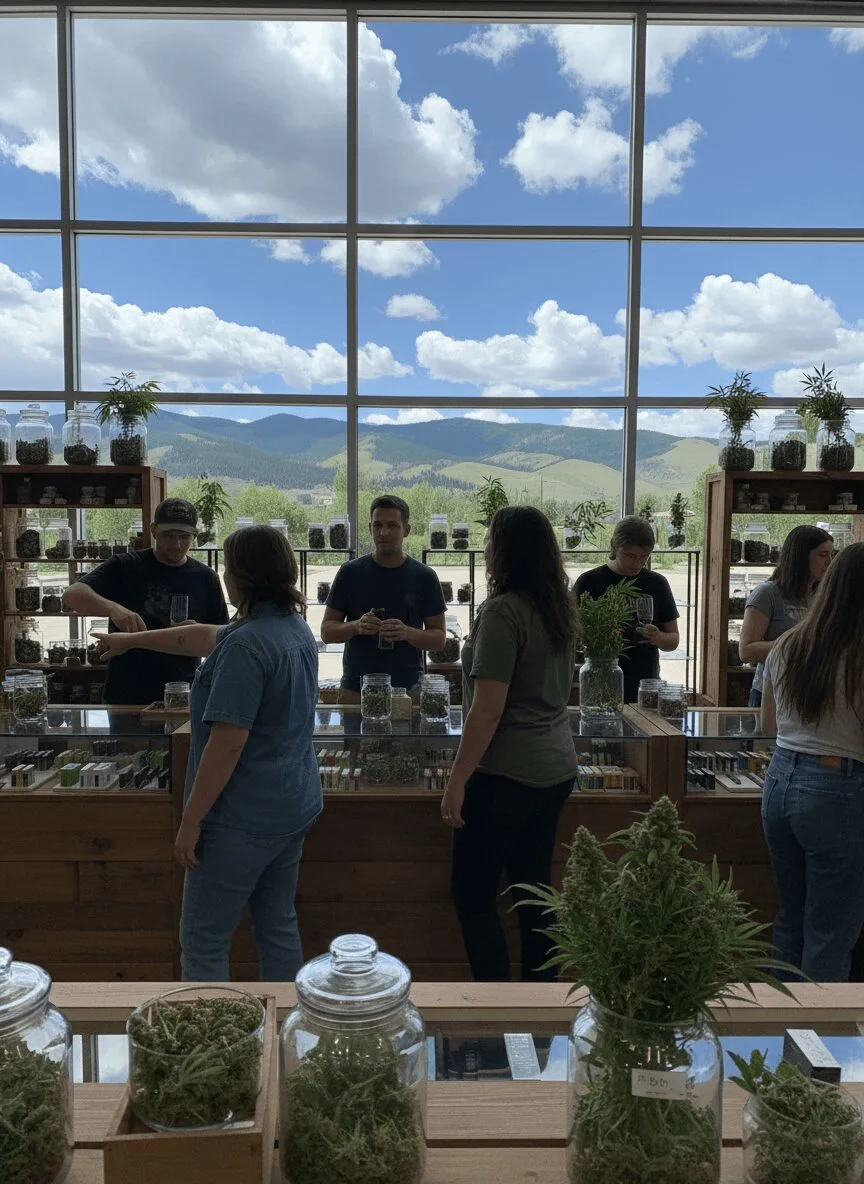
As of June 2024, Montana recreational marijuana sales have officially surpassed $1 billion in total retail revenue, an achievement confirmed by the Montana Department of Revenue. Since opening the first legal doors in January 2022, dispensaries in cities from Missoula to Billings have seen steady, often record-setting, monthly growth. Retailers like Bloom Montana and High Mountain Cannabis have contributed major volume, with flower, edibles, and vape cartridges all seeing strong demand. The average monthly sales topped $24 million by spring 2024, a figure reported by KRTV News. Local governments—many of whom had the power to opt out—are now reconsidering ban decisions as tax revenue hits school budgets and public health programs. These public benefits from tax funds mirror trends seen in other states where cannabis tax funding is significantly reshaping communities, especially in regions investing in infrastructure and services, as observed in beachside towns adapting to new revenue streams. According to Marijuana Moment, this push also coincides with a broadening consumer base: more adults, more older Montanans, and a growing percentage of out-of-state visitors are dropping by stores. Licensing battles remain, but with tight tracking enforced through Metrc, product safety and legal compliance stay front-and-center.
Expert Analysis: Why This Montana Moment Matters
This isn’t just a local headline, Montana recreational marijuana sales reaching $1 billion is a major signal to the national industry. Legalization’s ripple effect extends beyond mere profit. As Leafly industry analysts explain, “Montana proves that even rural, conservative states can move seamlessly into mature cannabis markets if regulations balance safety with access,” says Amanda Silverstein, regulatory liaison at Leafly. Tax revenues have already supercharged local programs, funding roads, mental health, and addiction treatment. By the numbers, Montana’s 20% sales tax on recreational use means millions returned to communities—closing economic gaps exacerbated during the pandemic. Anti-cannabis critics sometimes argue this growth comes at a social cost, but stats published by the RAND Corporation show minimal rise in youth usage and no spike in violent crime. Instead, what’s emerging is a finely-tuned market built on trust, strong compliance, and evolving social norms. Similar to how other regions adapt their cannabis policy and enforcement, concerns about security and theft risks have prompted action, paralleling alerts for growers in recent crime reports targeting marijuana facilities.
Looking Ahead: Bright Days for Montana Recreational Marijuana Sales
Montana recreational marijuana sales aren’t slowing down anytime soon. If anything, this billion-dollar milestone is just a starting point. Expect to see continued innovation from local growers and entrepreneurs, as well as wider acceptance among Montana’s famously independent-minded residents. According to a 2024 NORML trend report, Montana is now touted as a model for rural state legalization done right. With responsible regulations, transparent oversight, and a genuinely homegrown approach to cannabis culture, the Treasure State is charting a bold new path—one that’s sure to inspire both the industry and everyday Montanans for years to come.
Originally reported by: marijuanamoment.net


1 Comment
Pingback: Swanville cannabis ordinance: What’s changing and why it matters