


How Cannabis Tax Funding Beaches Could Transform Jersey Shore
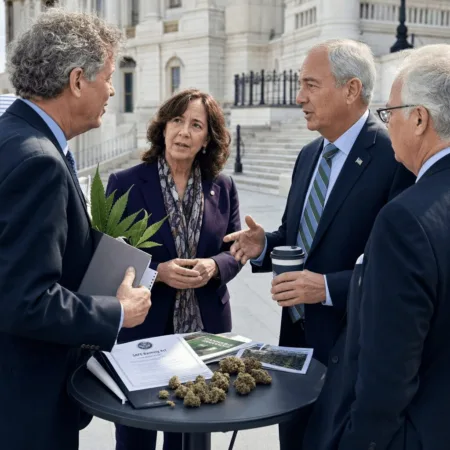
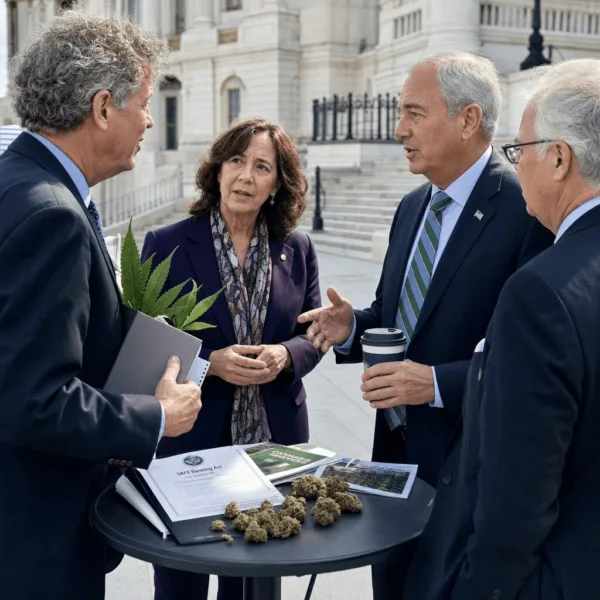
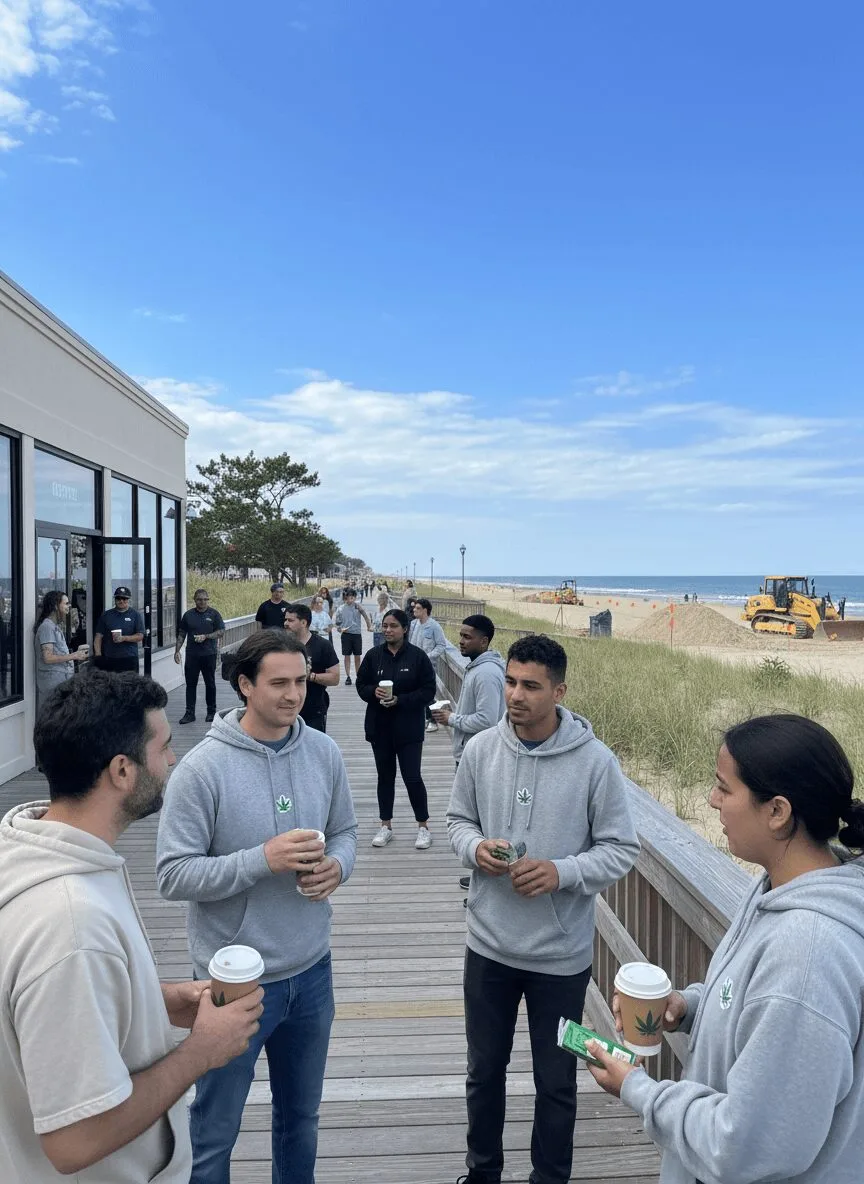
It’s not just a wave of visitors rolling into the Jersey Shore this year—there’s a brand new current, and it’s all about cannabis tax funding beaches. As local governments wrestle with big-ticket costs like beach repairs, many are eyeing the budding revenue from regulated cannabis sales. With town councils debating new dispensaries, the dream of restoring miles of coastline thanks to cannabis dollars is suddenly in reach. This intersection of local policy, beach culture, and cannabis economic power makes this story crucial for everyone invested in New Jersey’s coastline and cannabis future.
Regulatory Landscape: Cannabis, Taxes, and Coastal Conservation
Since legal sales kicked off in New Jersey, local leaders and advocates have debated the best use for fresh tax streams. Statewide legislation allows municipalities to levy their own taxes on adult-use cannabis sales, with local rates up to 2% on retail transactions (New Jersey Cannabis Regulatory Commission). For beach towns, this revenue could be a lifeline in much the same way that other communities have benefited from marijuana revenue, for example Akron marijuana tax payments fund key local interests.
Years of rising maintenance costs, storm damage, and beach erosion leave municipalities searching for sustainable funding. Traditional sources, such as property taxes, short-term bonds, and resort fees, rarely keep up, and aging boardwalks or battered sand dunes demand fresh fixes every season. In this climate, the concept of cannabis tax funding beaches isn’t just trendy, it’s an emerging fiscal priority across coastal New Jersey.
Latest Developments: Cannabis Retailers and Jersey Shore Beach Repairs
According to NJ.com’s 2026 report, Wildwood Crest—a small but iconic Jersey Shore town—has started formal proceedings to welcome cannabis dispensaries. Local leaders are crafting ordinances to permit legal cannabis shops, with one major aim: channeling the resulting tax windfall directly into vital beach replenishment projects, reflecting conversations happening in other states where restricted cannabis policy changes have affected funding for local improvements.
City planners assert that every dollar of the local cannabis tax could be earmarked for shoreline repairs, dune fortification, public access improvements, and boardwalk reconstruction. This proposal gained momentum in winter 2026 when Cape May County officials highlighted a $1.2 million shortfall for annual beach maintenance. Projecting even modest dispensary sales, the town could secure hundreds of thousands per year in new funds, without hiking property taxes or cutting public services.
The move signals a dramatic shift. For years, coastal leaders hesitated to embrace cannabis markets, often citing “family image” concerns. Now, urgent fiscal realities and coastal climate pressures mean cannabis tax funding beaches is being seriously considered as a community solution.
Expert Analysis: Industry Voices on Cannabis Tax Funding Beaches
Industry watchers and local advocates say Jersey Shore’s move is part of a deeper trend. According to a 2023 Leafly industry report, states and municipalities nationwide are directing cannabis taxes toward infrastructure, social programs, and public health. New Jersey’s beach towns may be the first in the region to openly target these funds for coastline preservation, but the strategy is backed by years of success elsewhere—mirroring new approaches like those explored in recent debates about the consequences and social impact of marijuana legalization.
One prominent New Jersey cannabis attorney, Judith Daniels, summed it up: “When cannabis tax funding beaches becomes a community issue, you’re witnessing the mainstreaming of both cannabis and creative local governance. Locals want shorelines open and safe, they don’t care if the money comes from sunscreen, taffy, or dispensaries.”
Cannabis business leaders also note the powerful optics: visible positive impacts from industry taxes can sway public perception and soften opposition. By tying cannabis taxes directly to visible, noncontroversial projects like beach repairs, towns foster goodwill and create new success stories for legalization efforts. As covered in Marijuana Moment, similar approaches in California have translated cannabis dollars into park upgrades and emergency services—strategies that resonate with both families and voters.
Outlook: High Hopes for the Shoreline and Social Progress
With cannabis tax funding beaches gaining traction, New Jersey stands poised for a new era in coastal policy. Towns that once debated adult-use shops are now piloting dispensary-driven beach funds. As legal markets mature, tax revenue will only grow, funding bigger repairs and more ambitious conservation efforts. The Jersey Shore’s experiment could soon inspire neighboring states to rethink their approach to shoreline management.
As noted by NORML’s September 2023 policy analysis, “community-minded applications of cannabis tax revenue turn legalization into a winning coalition for progress, prosperity, and preservation.” Whether you’re a lifeguard, business owner, or casual consumer, cannabis tax funding beaches represents a uniquely New Jersey solution to a national challenge. Here’s to greener shores—and greener budgets—ahead.
Originally reported by: nj.com