


Ohio marijuana restrictions: What do the new rules mean for you?
Ohio is catching serious buzz in the cannabis space—unexpectedly, it’s not all sunshine and lollipops. As fresh Ohio marijuana restrictions roll out, everyone from longtime advocates to curious newcomers wants to know how these changes might shape their day-to-day. These developments aren’t just legalese—they’re about personal freedom, economic opportunities, and the evolving debate around responsible, adult cannabis use. In this guide, we’ll break down what’s actually changing and pull back the curtain on what these rules mean for you, Ohio’s emerging canna-community, and the future of legalized markets. Buckle up: the times, they are a-changin’—again.
Understanding Ohio Marijuana Restrictions: Historical, Legal, and Social Context
To get where we are now with Ohio marijuana restrictions, it helps to know the road we’ve traveled. Ohio’s long, winding legislative journey has been crisscrossed by shifting social attitudes and pragmatic lawmaking. In 2016, Ohio legalized medical marijuana—a major breakthrough at the time—through House Bill 523, which allowed registered patients access to cannabis for specific medical conditions. However, recreational use remained illegal and taboo in many circles. NORML explains the complex evolution, from total prohibition, through cautious medical allowances, and into the 2023 vote that legalized recreational use for adults 21 and older. Yet, this landmark decision didn’t mean an open-season free-for-all. Lawmakers began introducing Ohio marijuana restrictions almost immediately, aiming to address public health, youth access, product safety, and the mechanics of market rollout. Community groups, business lobbyists, and public agencies have all shaped the discourse, mirroring broader national trends as seen in other newly legal states. According to Cleveland.com, delays and revisions often emerge when law tries to catch up to rapid market demand and shifting cultural acceptance, a pattern reflected in many legal states, including places like Maine, where new cannabis consumption lounges represent some of the next big steps in the industry. Caught between economic promise and social caution, Ohio stands at the crossroads of tradition and change.
Key Developments & Core Issues in Ohio Marijuana Restrictions
The most recent headline is all about new Ohio marijuana restrictions passed right after voters said ‘yes’ to recreational use. According to The Vindicator, lawmakers in June 2024 made swift moves to limit the law’s reach. The measures include:
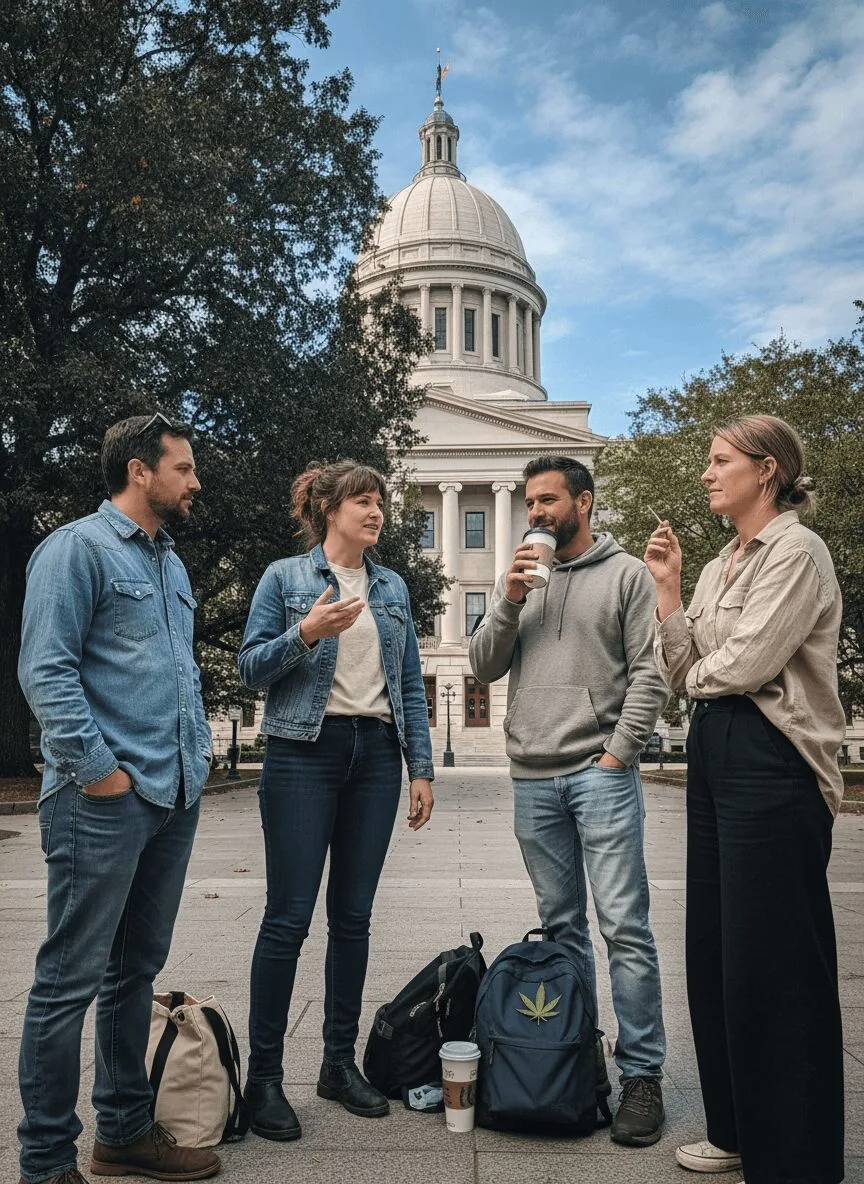
- No public consumption, so lighting up in the park or outside your favorite bar is strictly out, a restriction not seen in all states—San Francisco, for example, has special policies for locals and visitors around open-air cannabis spaces (learn more about differing city regulations here).
- Stricter rules on home cultivation, including plant counts and secure storage requirements to prevent youth access.
- Tighter restrictions on legal sales: dispensaries can’t sell to anyone under 21, and labeling/packing must meet child-safety standards.
- Possession limits remain conservative, with clear penalties for exceeding set amounts—even for adults.
Additionally, the state has given local governments more teeth. Cities can now further restrict, or even ban, dispensary locations—a detail that worries some advocates, as it echoes struggles seen during earlier medical rollouts (Cincinnati.com). All these new Ohio marijuana restrictions are directly impacting new businesses, community debates, and those hoping to responsibly enjoy legal cannabis, putting the Buckeye State squarely in the national cannabis spotlight. As tax distribution and local revenue debates continue, the experience of Akron’s marijuana tax payments to local communities highlights how other Ohio cities could see similar impacts tied to policy choices.
Expert Analysis & Insights: What This Means for Ohio—and Beyond
Let’s take a deeper dive. Ohio marijuana restrictions land at a complex intersection of public health, economic opportunity, justice reform, and evolving social norms. Industry veterans and public health officials weigh in: ‘Balancing access and safety is the name of the game with new legislation,’ notes Leafly policy analyst Peter McKay. ‘Overregulation can fuel the illicit market, while laxity invites public backlash.’ Ohio’s ad hoc patchwork of new rules highlight the national trend; states race to adjust after voter-driven legalization, sometimes moving cautiously to keep the peace with federal laws still categorizing cannabis as a Schedule I substance (National Institute on Drug Abuse). Still, lessons abound from pioneer states like Colorado and California. Excessive restrictions sometimes slow the market and drive consumers underground, while thoughtful, expert-led regulation ensures safe, accessible, and profitable cannabis economies. As Marijuana Moment reports, success in Ohio will likely depend on flexibility, ongoing industry dialogue, and responsive updates rooted in evidence, not fear. Additionally, it’s worth understanding that some of the most unexpected effects of legal marijuana emerge only after policies take hold; see deeper discussion in recent coverage about the surprising legal consequences and social impacts of legalization elsewhere.
Future Outlook: Progress, Pushback, and the Promise of a Smarter Ohio
Change comes slowly—but it still comes. Ohio’s marijuana restrictions represent both progress and the inevitable pushback that follows every leap forward in cannabis reform. Looking ahead, Ohio is poised to benefit from smarter regulation, broader acceptance, and social equity measures that truly deliver on legalization’s promise. Forward-thinking industry advocates and organizations—such as the Marijuana Policy Project—see hope in the state’s willingness to adapt. ‘Legal cannabis has arrived in Ohio, and no amount of political tinkering will turn back the clock,’ one advocate said. For consumers, businesses, and communities, the story is far from over. With each new rule, challenge, or court case, Ohio marijuana restrictions evolve—and so does the wider cultural conversation, moving steadily toward normalization, justice, and opportunity. Stay tuned: as Ohio fine-tunes its cannabis scene, it’ll likely inspire smarter policies everywhere.
Originally reported by: vindy.com