

THC industry regulation Texas: What New Rules Mean for You
Big changes are rolling through the Lone Star State right now, and if you’re watching the THC industry regulation Texas debate, you’re probably feeling both anxious and excited. Thanks to surging demand for hemp-derived THC products—and a rapidly shifting legal landscape—state officials are getting serious about tightening regulations. For consumers, business owners, and anyone interested in cannabis policy, these updates will shape everything from what you buy to how it’s sold. Let’s break down why THC industry regulation Texas is suddenly in the spotlight, what’s happening on the ground, and how these shakeups could shape the market for years to come.
How Did We Get Here? Understanding THC Industry Regulation Texas
The recent buzz around THC industry regulation Texas didn’t pop up out of nowhere. Texas first greenlit low-THC medical marijuana back in 2015. Fast forward to the 2018 federal Farm Bill, which redefined hemp and put CBD products on the shelves across the country. Suddenly, Texas retailers started stocking gummies, vape pens, and oils with delta-8 and delta-9 THC, all legalities hanging on a razor-thin federal definition. State agencies, such as the Texas Department of State Health Services (DSHS), scrambled to interpret, enforce, or even challenge new hemp derivatives. Meanwhile, social attitudes shifted as more people began to understand how normalization efforts are impacting stigma in the workplace, a trend discussed in our article on cannabis workplace stigma acceptance. Even folks who traditionally opposed cannabis began warming up to the idea that regulation is safer than pushing the market underground. According to MJBizDaily, Texas’ hemp market now pulls in hundreds of millions annually, pulling rural and urban communities into the legalized fold. The background: the fight for sensible, balanced THC industry regulation Texas is colliding with old laws, new products, and lots of conflicting interests.
Recent Developments: What the New Proposed Rules Actually Change
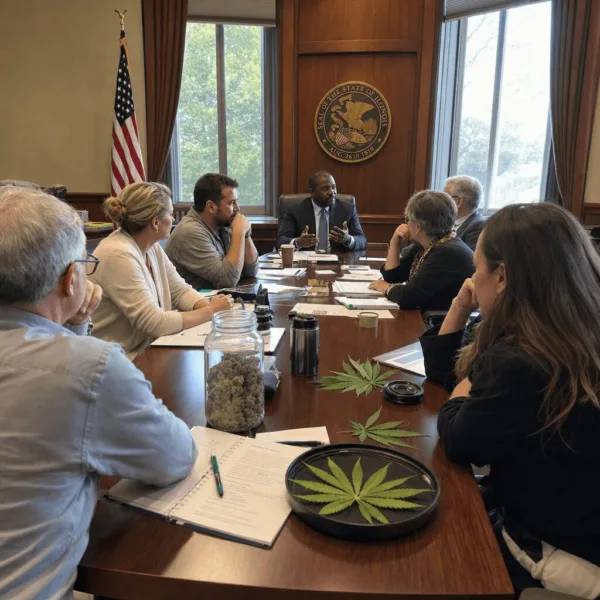
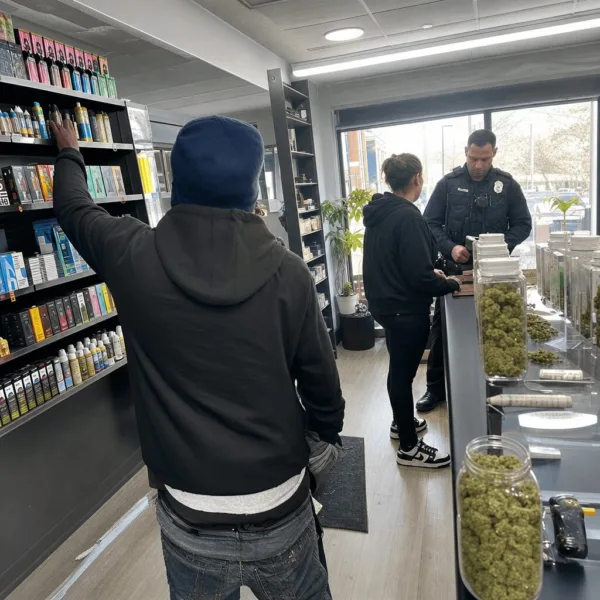
January 16, 2026, was the date that sent ripples through Texas’ cannabis sector. According to KLTV, Texas state officials dropped a long-awaited proposal aiming to redefine how hemp-derived THC products are produced, tested, packaged, and sold. While hemp regulations and changing federal oversight set the stage for these changes, as discussed in our coverage of how federal hemp regulations are shaping the industry’s uncertain future, the new rules would require stricter lab verification for all THC vape cartridges, edibles, tinctures, and concentrates—think traceability from seed to sale. Required child-proof packaging, enhanced consumer education, and much tighter controls on product advertising are all in play. Critics claim the cost of compliance could squeeze out small businesses, while some lawmakers argue the move is vital for preventing accidental youth consumption. Companies like Lone Star Edibles and Greenhouse Wellness, which expanded rapidly post-2019, may now need to overhaul entire supply chains or face steep penalties. Meanwhile, THC oil shipments and delta-8 vape distribution are under targeted scrutiny, signaling a broad regulatory sweep.
Expert Insights: What Texas’ THC Regulation Shift Means for the Industry
Here’s the real deal: experienced operators have seen this coming. As Leafly’s Texas policy expert put it: “When a thriving market breaks out faster than state laws can keep pace, regulations catch up fast, but the smartest businesses will be ready.” Regulatory shifts in the THC industry may also influence medical marijuana accessibility and address ongoing legal challenges, which we explored in relation to discrimination issues in other states. It’s not just about compliance. Many experts, retailers, and even advocacy organizations believe tighter rules could actually legitimize the scene, build public trust, and reward quality-focused companies. A balanced licensing system could mean a cultural shift: fewer bad actors, more consumer choices, and a legalized playing field for everyone. At the same time, grassroots activists remind us over-regulation risks pushing out smaller, creative brands and handing the market to just a few well-funded players. According to a recent NORML summary, “Texas lawmakers are finally listening to patients and entrepreneurs, but the devil’s in the details.” Translation: expect tweaks, disputes, maybe a lawsuit or three, but also watch for massive innovation as Texas navigates its own brand of modernization.
Where Does Texas Go Next? A Future Fueled by Opportunity
Looking ahead, THC industry regulation Texas stands at a crossroads, but there’s plenty to feel optimistic about. With the THC market exploding nationwide—projected to grow past $40 billion in annual sales by 2028, according to New Frontier Data—even cautious states like Texas feel the pressure to modernize laws responsibly. Consumer protection, clear testing requirements, and better product labeling will likely create more stability, not less, even if the transition feels rocky in the short-term. The public conversation is shifting too. Texans are less interested in culture wars and more interested in safe, reliable access to legal cannabis products. As regulations evolve, expect better-quality THC products, transparency for consumers, and an environment where educated voices help guide state leaders. Sure, the rules may get tweaked (maybe even challenged in court), but the future is bright for businesses and everyday folks who want to see Texas’ cannabis market thrive—safely, profitably, and in full view of the law.
Originally reported by: kltv.com