


Benton Franklin cannabis licenses: What You Must Know Now
If you’re curious about the latest shifts with Benton Franklin cannabis licenses, you’re not alone. As cannabis continues to normalize, big regulatory moves have both potential entrepreneurs and established players talking across the region. Recent developments—including deadlines, legal adjustments, and shifting market dynamics—could soon reshape how licenses are issued and who can get in on the action. Whether you’re planning your first dispensary or protecting your spot in the supply chain, knowing what’s happening with Benton Franklin cannabis licenses right now is critical for success.
Benton Franklin Cannabis Licenses: Background and Context
The evolution of Benton Franklin cannabis licenses traces back to Washington State’s pioneering legalization of recreational marijuana. When the Washington State Liquor and Cannabis Board (WSLCB) first issued licenses, the emphasis was on careful oversight, market control, and social equity. Over the years, the demand for retail and production spots ballooned. Regulatory frameworks continue to adapt, balancing safety, access, and fair competition. But what makes Benton and Franklin counties especially significant? These counties have become a microcosm for broader industry trends, such as shifting attitudes, rapid policy changes, and an energetic mix of rural and urban markets. According to NORML, these regulatory shifts are part of a wave sweeping the nation, influencing everything from tax revenues to community health programs. Social acceptance grows in parallel, with more local leaders supporting an open but regulated marketplace. For example, Nova Scotia has experienced similar regulatory changes and retail dynamics, as discussed in recent case studies on Canadian cannabis dispensary crackdowns. Yet, every update to state law or city code means new hoops for licensees, sometimes just to keep their doors open. The landscape isn’t just competitive, it’s evolving daily.
Key Developments & Current Issues with Benton Franklin Cannabis Licenses
Let’s break down what’s shaking up Benton Franklin cannabis licenses today. According to a recent investigative piece by Tri-Cities Area Journal of Business, major changes may land as soon as January 2026. In late 2023, the WSLCB announced anticipated updates for expiring and reallocated cannabis licenses, signaling a wave of renewals and possible market openings. One highlight from the article: The state is reconsidering its approach to previously unclaimed or revoked retail licenses, particularly in regions with limited dispensary access.
- The state is reviewing license caps for both Benton and Franklin Counties, potentially meaning more slots could become available by early 2026.
- There are also proposals to give equity applicants and social-justice initiatives priority, amplifying community voices that historically faced barriers to entry, very similar to the fairness discussions sparked after recent USPS driver marijuana arrests.
- Compliance audits are ramping up, with tighter rules on point-of-sale tracking and public safety requirements, according to recent WSLCB press releases.
Industry insiders say that existing operators are hustling to adapt, while newcomers strategize their entry points, with hopeful eyes on these regulatory shake-ups. This all comes as part of a broader move by Washington state regulators to foster a fairer, more transparent licensing system, while still ensuring market integrity and consumer safety.
Expert Analysis, Insights, & the Cannabis Advocate View
Through the smoky haze of new regulations and market shifts, the Benton Franklin cannabis licenses situation is a perfect snapshot of where the industry is headed nationwide. As more markets mature, we’re seeing tighter compliance paired with a real push for diversity and local ownership. According to Leafly, ‘True progress in cannabis requires both access and accountability, every license issued sends a message about who gets to benefit from this industry and who’s left out.’ That quote from Leafly’s policy team sums up the tension: How do we open the door wider while still keeping things above board?
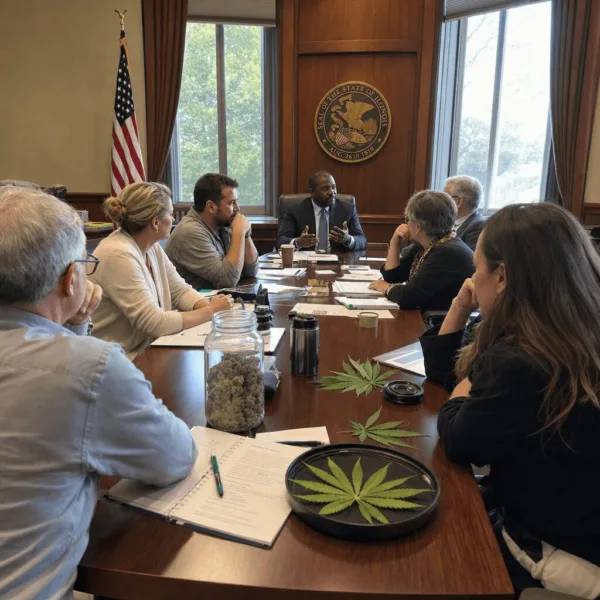
- The focus on equity applicants, particularly those most harmed by prior prohibition, mirrors policy shifts in other states. States like Illinois and California are setting similar standards (Illinois regulators have even set aside dozens of new licenses specifically for these applicants).
- Savvy businesses are hiring compliance and legal pros or seeking training through WSLCB’s public forums, anticipating more pop-up surprise audits and rapid law tweaks, just as Pennsylvania smoke shops face new compliance challenges as marijuana disguised as hemp shakes up their local rules.
- Market data shows that, when regions like Benton and Franklin expand licensing access, it not only boosts tax revenues but can also improve community relations, if lawmakers listen and adjust in real time.
The general vibe? Most pros see these license evolutions as an overdue reset, not a threat. Still, the learning curve is steep. As one long-time industry consultant joked, “The only thing higher than demand for new licenses is the paperwork mountain you gotta climb to get one!” Everyone’s playing for keeps, but almost all agree, getting Benton Franklin cannabis licenses is more opportunity than obstacle.
Future Outlook: Benton Franklin Cannabis Licenses & the Road Ahead
If there’s one thing we know in cannabis, it’s that change never chills for long. As the January 2026 deadline approaches, insiders predict a surge of applications for Benton Franklin cannabis licenses, a revitalization of legacy businesses, and a new era for local entrepreneurship. Thanks to persistent advocacy and responsive regulators—see MJBizDaily for ongoing updates—this region could become a state-level model for smart, responsible licensing. The social and economic benefits? More jobs, reinvestment in neighborhoods, and a wider spectrum of products for patients and recreational users alike. We’re entering an age of normalization and innovation. For aspiring licensees or seasoned pros, keeping an eye on Benton Franklin cannabis licenses isn’t just smart—it’s necessary. Let’s light the path together, stay informed, and keep building a fairer, greener cannabis future.
Originally reported by: tricitiesbusinessnews.com