

Connecticut cannabis sales drop: Surprising 2025 Turnaround
It’s not every day the phrase “Connecticut cannabis sales drop” shakes up an industry, but that’s where we are now. This downward trend has caught the attention of not just regular consumers, but business owners, regulators, and community advocates. As we roll through early 2025, the conversation around these numbers matters more than ever—especially when local businesses and evolving regulations collide. In this piece, I’ll cover what caused the Connecticut cannabis sales drop, what led us here, and what could turn things around in the near future.
Understanding the Current Landscape: The Roots of Connecticut’s Cannabis Market
Connecticut’s cannabis story is a wild ride, shaped by decades of activism and the state’s gradual path toward legalization. The Connecticut Department of Consumer Protection (DCP) set out rules in 2021 when voters finally got retail sales on the table. Recreational sales kicked off in January 2023 amid high expectations, fueled by strong historic support and substantial consumer demand. However, the early days were marked by steep taxes, licensing bottlenecks, and regulatory uncertainty that kept dispensaries on edge. According to Marijuana Moment, supply chain hiccups and federal banking barriers created obstacles for licensed shops compared to the unregulated market. When considering why the Connecticut cannabis sales drop happened, beyond these financial and logistical challenges, it’s also worth looking at how other states such as New Jersey have begun to experiment with alternative wellness models, as seen with the New Jersey psilocybin pilot program. Economic headwinds compounded the situation, making it clear that the recent downturn didn’t come out of nowhere.
Core Developments: The Big Reasons Behind the Connecticut Cannabis Sales Drop
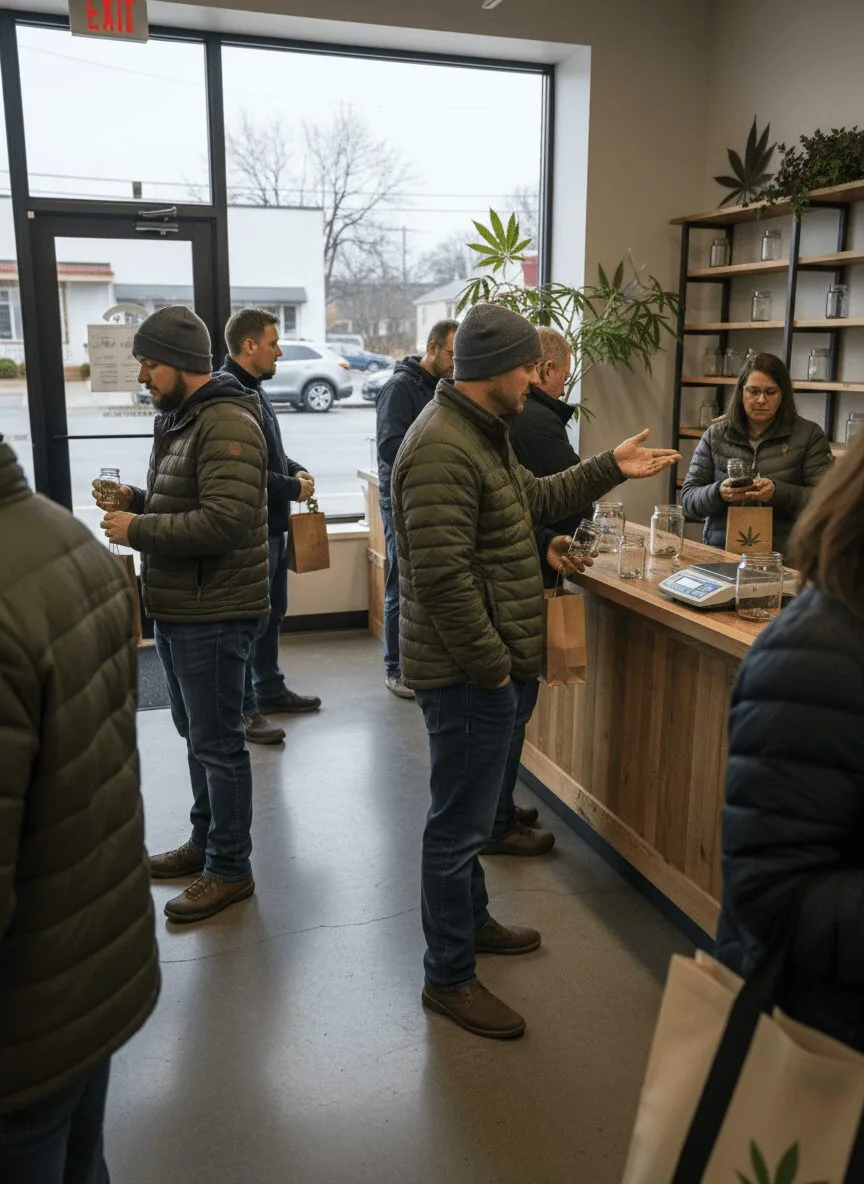
The numbers caught everyone’s attention. According to WFSB News in its January 2026 coverage, Connecticut dispensaries experienced a notable drop in sales throughout late 2024 and into early 2025. Storefronts that once buzzed with excitement now contend with quieter afternoons and tighter budgets. Retailers like The Botanist and Fine Fettle saw declining monthly revenue, some reporting up to a 20% decrease compared to the peak 2023 figures. Regulatory reports cited by CT Insider outline important factors: surplus inventory, tough competition from gray-market sellers, and complex tax structures. Licensing delays also stifled the debut of new retail entrants, affecting the selection of fresh products on dispensary shelves. For anyone analyzing retail trends, it’s impossible to overlook how the earlier surge—documented in articles about record-breaking retail sales in Connecticut—set the stage for today’s slowdown. The Department of Consumer Protection acknowledged the impact of shifting public consumption laws, further cooling the market. Industry trackers such as Hemp Benchmarks note that workforce reductions and a limited range of products have become more common, fueling the Connecticut cannabis sales drop even further.
Expert Insights and a Grounded Take: What the Decline Really Means
So, what’s actually behind the Connecticut cannabis sales drop? First, let’s address a key aspect: rapid expansion in 2023 set up a market correction. Dispensary veteran Rita Aleman told Ganjapreneur, “The market needs time to balance itself out. Growing pains are part of any new industry.” Her perspective reflects a reality where it’s not just taxes or shelf space, but a patchwork of local bans, slow license approvals, and legal ambiguity that keep businesses guessing. Connecticut is not isolated in this experience—other places like Massachusetts saw comparable hurdles early in their programs, as referenced by Cannabis Business Times. Notably, when it comes to navigating regulatory shifts, looking at major verdicts such as the impact of cannabis supply-related lawsuits in Michigan provides important lessons for Connecticut’s evolving landscape. Most experts predict this period of recalibration could foster smarter consumption, clearer rules, and steadier prices—all key steps toward a more mature and resilient market atmosphere for Connecticut’s cannabis future.
The Upside: Navigating Today’s Challenges for Tomorrow’s Growth
Despite headlines about “Connecticut cannabis sales drop,” the story is far from finished. Key stakeholders—legislators, entrepreneurs, growers, and advocates—are already pushing for streamlined regulations according to NORML, and conversations about fair taxation are heating up. Consumer demand remains steady, if not growing, with public opinion polls from Pew Research showing continued support for safe legal access. The dips of 2024–2025 might just be part of the learning curve, paving the way for a more sustainable and inclusive cannabis market. So while shelves may look a little lighter this season, Connecticut’s green scene isn’t going anywhere—if anything, it’s gearing up for a new phase of growth, acceptance, and community-driven innovation. Stick around, because things could be looking a whole lot brighter in 2025 and beyond.
Originally reported by: wfsb.com