How the Local Medical Cannabis Ecosystem Survives Disruption
The local medical cannabis ecosystem is under the spotlight as regulatory shifts and enforcement actions shake the ground for dispensaries and patients. In cities like Washington, D.C., recent shutdowns and stricter rules create critical debates about access, legitimacy, and the future of medical cannabis. Why does this matter now? Because the survival and evolution of the local medical cannabis ecosystem directly influence not only patients’ health but also the wider industry’s reputation and public perception. This article dives into the roots of these disruptions, the real-life repercussions for those on the ground, and what the next chapter might look like.
How Regulation Shapes the Local Medical Cannabis Ecosystem
The local medical cannabis ecosystem in the U.S. operates within a tangled framework of city, state, and federal rules (National Conference of State Legislatures). Medical dispensaries must comply with rules from city councils on operational requirements, licensing governed by state legislatures, and federal law that continues to list cannabis as a Schedule I controlled substance. In some areas, local governments, as seen in Washington, D.C., face conflicts with broader legislative bodies that limit their full authority on cannabis regulation (Washington State Governor’s Office). The regulatory landscape causes local operators to constantly adjust compliance protocols and seek partnerships for financial transparency. For instance, recent disciplinary actions toward cannabis licensees across various states highlight the evolving scrutiny of compliance and enforcement. As cultural perceptions shift, record numbers of patients are enrolling, further establishing the local medical cannabis ecosystem as a legitimate health and economic force, despite persistent legal gray areas. Ongoing changes to the law shape how businesses in the local medical cannabis sector adapt and, at times, even prosper despite formidable odds.
Recent Shutdowns Challenge Local Medical Cannabis Ecosystem
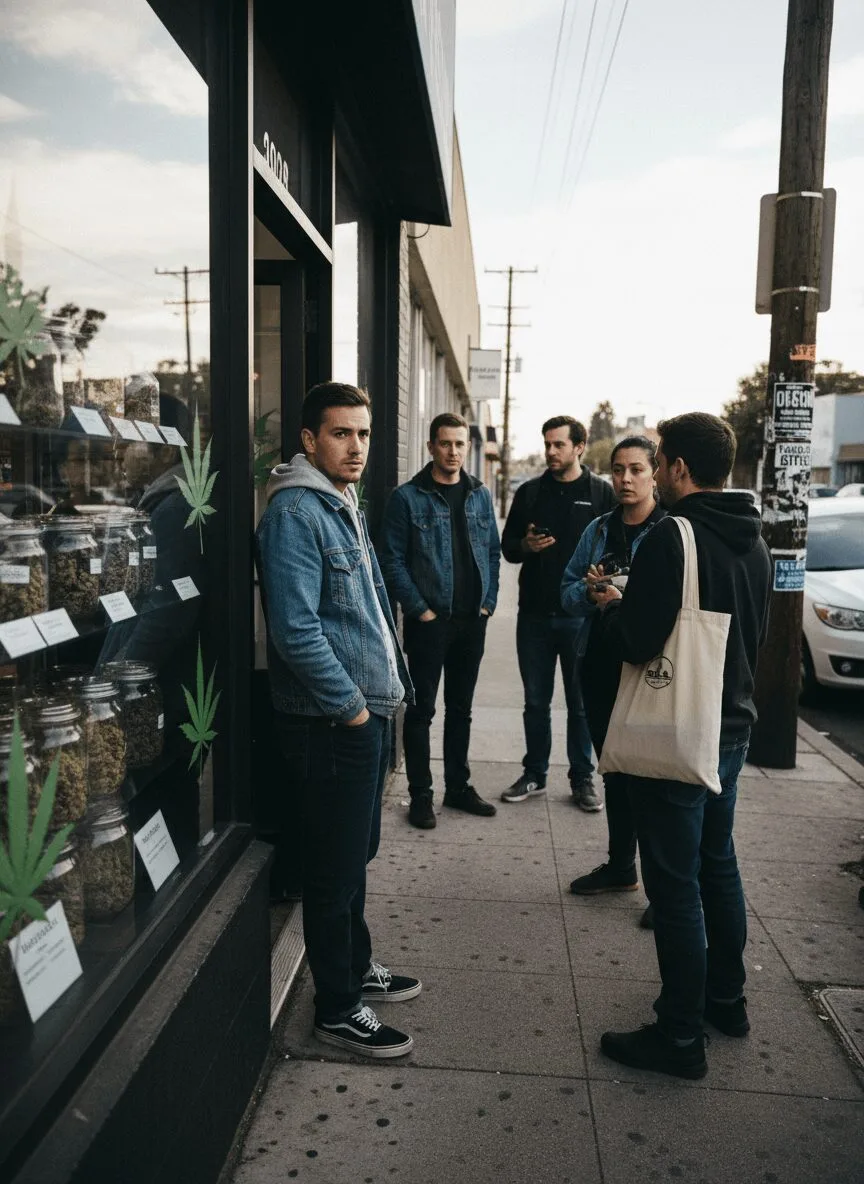
In early 2024, D.C. authorities began shutting down several cannabis dispensaries that had found creative ways to serve patients within the complex regulatory environment. As reported by The Washington Informer, at least seven dispensaries faced closure, an action taken by city officials to enforce compliance and address unauthorized operations. Stores like Gifted Curators and Peace in the Air, both known for their role in fostering community engagement, were among those affected. These shutdowns must be viewed in light of the ongoing regional struggle between local governance and federal constraints, where attempts at legalization are frequently blocked by higher authorities that continue to impede further progress. Notices referenced violations such as the absence of valid medical licenses and zoning problems. This led to uncertainty for patients seeking alternatives, staff losing employment, and reputational setbacks for the broader local medical cannabis ecosystem. Each shutdown prompts critical reflections on whether regulatory efforts genuinely protect or inadvertently disadvantage patients and compliant operators.
Expert Perspective: Why the Local Medical Cannabis Ecosystem Persists
The ebb and flow of enforcement and patient access is not new, but recent policy actions have intensified these challenges. Industry experts emphasize that regions with inconsistent cannabis rules experience more underground activity, creating greater risks for patients (Leafly News). D.C.’s crackdown, for example, could push more residents outside the regulated market, increasing exposure to less safe alternatives. As Morgan Fox, political director at the National Organization for the Reform of Marijuana Laws, highlights, “Whenever there’s a crackdown without an expansion of access or clear, functioning regulatory pathways, patients pay the highest price” (NORML). In spite of these hurdles, the local medical cannabis ecosystem demonstrates resilience and adaptability—through pop-up clinics, digital patient communities, and relentless grassroots advocacy. Recent trends in other markets, such as the surge in sales in states like Montana that reached a $1 billion milestone, illustrate the potential for local markets to thrive when regulations support rather than stifle growth. Ultimately, ongoing innovation and community engagement reinforce this sector’s reputation for delivering compassionate, legitimate healthcare to those most in need.
Looking Ahead: Hope for the Local Medical Cannabis Ecosystem
Despite today’s regulatory volatility, there’s genuine momentum behind expanding and protecting the local medical cannabis ecosystem. Policy conversations now focus on transitioning from punitive models to supportive, health-centered frameworks (MJBizDaily). Patient advocacy groups, city leaders, and industry professionals alike call for a fair shake: simplified licensing, community input on rules, and robust legal cover for responsible operators. Social acceptance grows with every patient success story. The local medical cannabis ecosystem isn’t just surviving disruption—it’s planting roots for the next phase of safe, equitable, and stigma-free care. Expect smarter regulation, deeper education, and an industry ready to support both patients and communities through whatever comes next. The future, despite bumps in the road, looks greener than ever.
Originally reported by: washingtoninformer.com