


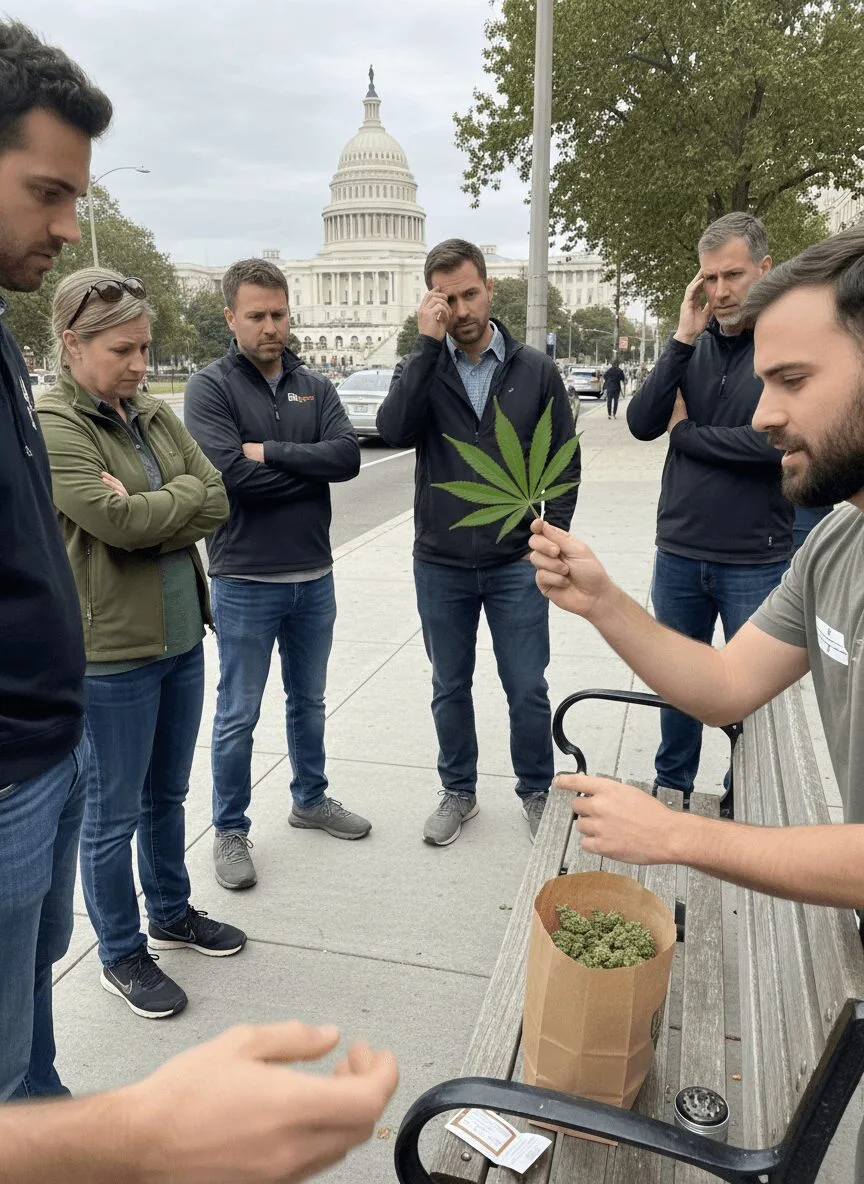
DC marijuana legalization block: Congress says no again
Here we are—another round, another setback with the DC marijuana legalization block. If you blinked, Congress just nudged progress back a notch for cannabis fans and entrepreneurs in Washington, D.C. This headline isn’t just a news flash—it’s a gut check for anyone tracking legalization, equity in cannabis policy, or dreaming of open, legal sales in the district. As national legalization momentum surges, DC’s stalemate stands out even more. Below, let’s break down the roots, reasons, and realities behind this latest move, what it means for locals, and why advocates aren’t quitting the fight just yet.
The Long Road: Regulatory and Political Context on DC Marijuana Legalization Block
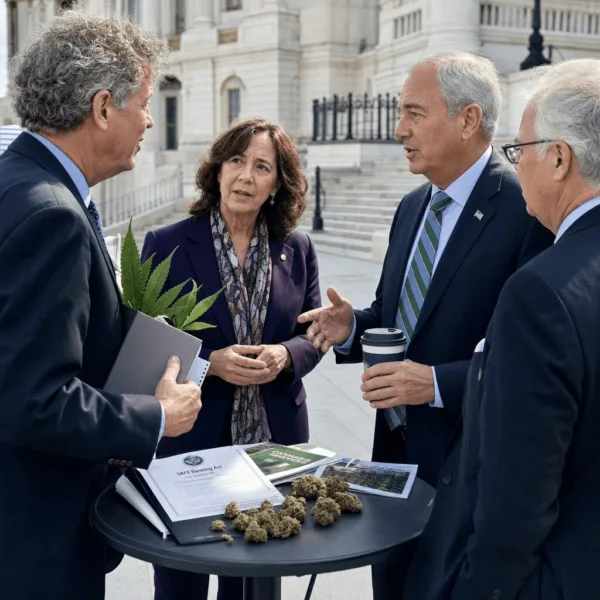
For years, D.C. has been a battleground where local democracy squares off with Congressional oversight, and cannabis sits right in the crossfire. While District voters approved adult-use marijuana possession and home cultivation back in 2014 (Washington Post), Congress has used its unique federal power to block the city from setting up a taxed and regulated commercial market. This is thanks to the notorious “Harris Rider,” a legislative rider first introduced by Rep. Andy Harris in 2014 as described by the Marijuana Policy Project. Every year since then, language sneaks into federal spending bills barring D.C. from using local funds to shape its own cannabis policy, effectively locking the city into a strange limbo: you can possess weed, but you can’t buy it legally. This regulatory schism isn’t just a local headache. National cannabis reform is picking up steam state by state, with Norml data showing more than 23 states embracing adult-use sales. But in D.C., the will of voters is routinely overruled. These ongoing market barriers have even sparked comparisons with other states, especially where state-level cannabis sales have recently crossed major milestones, as seen when community conversations in Ohio ramped up after recreational cannabis sales hit $1B, driving policy changes in states like Ohio. It’s a clash highlighting tensions in federal/local control, social equity debates, and the larger politics of drug policy reform.
Inside the Latest DC Marijuana Legalization Block: What Happened, and Who’s Holding it Up?
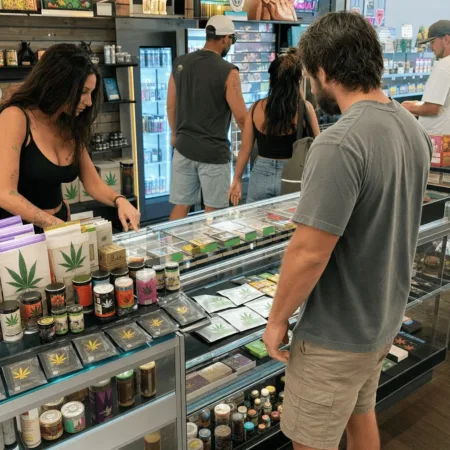
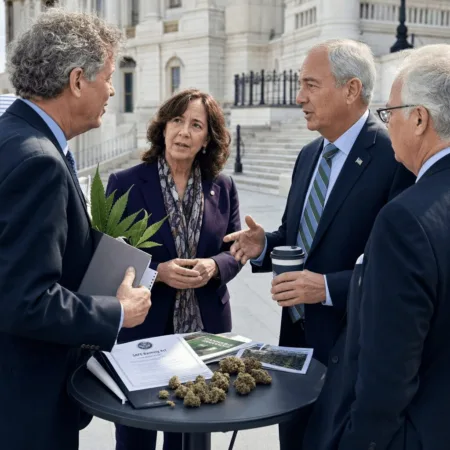
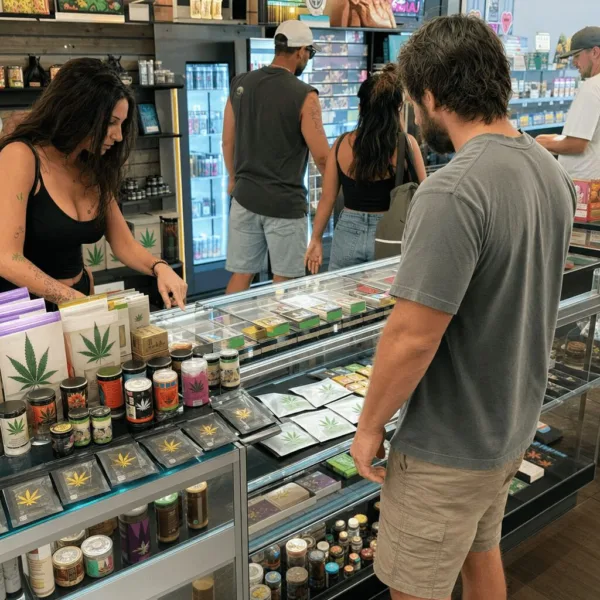
Let’s get explicit: Congressional leaders again agreed in June 2024 to keep the DC marijuana legalization block in place, according to detailed reporting by Marijuana Moment. The usual villain is the 2025 federal budget, which includes retained language barring D.C. from using money to license, let alone regulate, adult-use cannabis sales. This decision came amid tense appropriations negotiations, with both parties trading priorities. But for D.C. cannabis fans, it’s yet another year where the city council’s hands are tied and Mayor Muriel Bowser’s repeated requests for local autonomy fall flat. The irony: D.C. currently sports dozens of “gray market” gifting businesses exploiting legal loopholes. Residents can legally grow or give weed to each other, but storefront sales with clear consumer protections are still off-limits. This oddball status quo means public safety, youth prevention, and social equity programs get no support from regulated sales taxes, a point highlighted during recent D.C. Council sessions (DC.gov). The impact of these ongoing blocks resonates, as D.C. authorities have increased enforcement against illegal storefronts, shaping the city’s future cannabis market through emergency store closures, as discussed in recent updates on D.C. illegal cannabis closures. And while companies and entrepreneurs are eager for a legal framework, Congressional delay just breeds ambiguity and inequity.
Expert Analysis, Human Frustration, and the Case for Cannabis
There’s an undeniable sense of disillusionment among D.C. advocates. Yet major industry voices remain bullish. As NORML’s Deputy Director Paul Armentano put it, “D.C. voters chose legalization years ago. Congress needs to respect the will of the people. Prohibition breeds inequality and confusion while letting an unregulated market thrive.”
Many industry insiders agree. According to Leafly, D.C.’s unique situation is stifling business development, undermining health protections, and delaying much-needed justice reforms. Even the Drug Policy Alliance argues that open, legal sales are the best path to addressing equity and revenue goals. What’s especially telling is how this repeated Congressional intervention looks increasingly out of touch, while other cities and states are using retail expansion and scientific research to advance cannabis policy, including recent breakthroughs on extinct cannabis enzymes and their implications for culture and science, as explored in this report on scientific breakthroughs. On the flip side, behind-the-scenes efforts by lawmakers like Rep. Eleanor Holmes Norton show that change still simmers—particularly as national polling continues to show record support for legalization (Pew Research Center).
Outlook: Will the DC Marijuana Legalization Block Finally Fall?
It’s easy to get discouraged seeing the DC marijuana legalization block rear up once again. But—if the past few years have shown anything—it’s that public opinion and industry realities keep tilting toward reform. Grassroots organizing remains strong, while investment and tax revenue models in states like Illinois and California keep turning heads among lawmakers (Illinois Policy Institute). D.C. may be locked out for now, but it stands as a test case for bigger debates on home rule, cannabis justice, and Congressional priorities.
Until the feds back off, expect the fight for local cannabis autonomy in D.C. to fuel advocacy and keep national eyes trained on the capital. And no matter how many budget riders come down the pike, the transformation of cannabis policy coast-to-coast suggests that the days of the DC marijuana legalization block are, eventually, numbered.
Originally reported by: marijuanamoment.net