


Massachusetts marijuana ballot mess: What’s really happening?
Let’s be honest—2024 has already served up enough cannabis drama for the decade, and now the Massachusetts marijuana ballot mess is turning heads again. From shaky regulatory frameworks to tensions boiling over on Beacon Hill, everyone from local entrepreneurs to longtime advocates is feeling the pressure. This story isn’t just about paperwork or legal gobbledygook; it’s about real people, millions of dollars, and the next chapter in the state’s evolving weed game. Here’s what you need to know about the Massachusetts marijuana ballot mess—why it matters, who’s involved, and what it means for the industry’s future.
Background: The Regulatory Roots of the Massachusetts Marijuana Ballot Mess
Ever since voters approved recreational cannabis in Massachusetts in 2016, the road to normalization has been anything but smooth. Tough compliance rules, a patchwork of local bans, and frequent tension between towns and state regulators have put the brakes on progress more times than we’d like to admit. Governing reports that even now, Massachusetts is behind in both retail access and product availability compared to states like Colorado or Michigan. For a look at why this year’s vote could significantly reshape local regulations and statewide cannabis policy, see this analysis of the potential impact of the Massachusetts marijuana ballot. With social equity at the core of legislation, high expectations have collided with real-world bureaucracy. But underneath it all lies a deeper friction: Who gets to shape the rules, and who really wins from the ballot process? That’s exactly the crossroads fueling the Massachusetts marijuana ballot mess today.
Key Developments: Unpacking the Latest on the Massachusetts Marijuana Ballot Mess
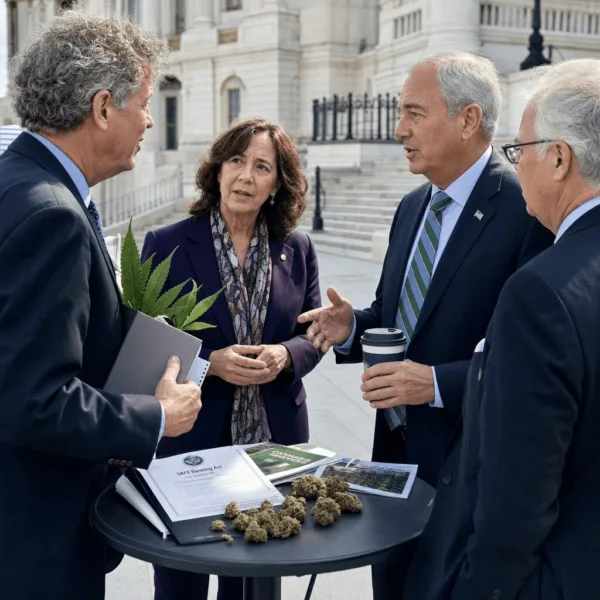
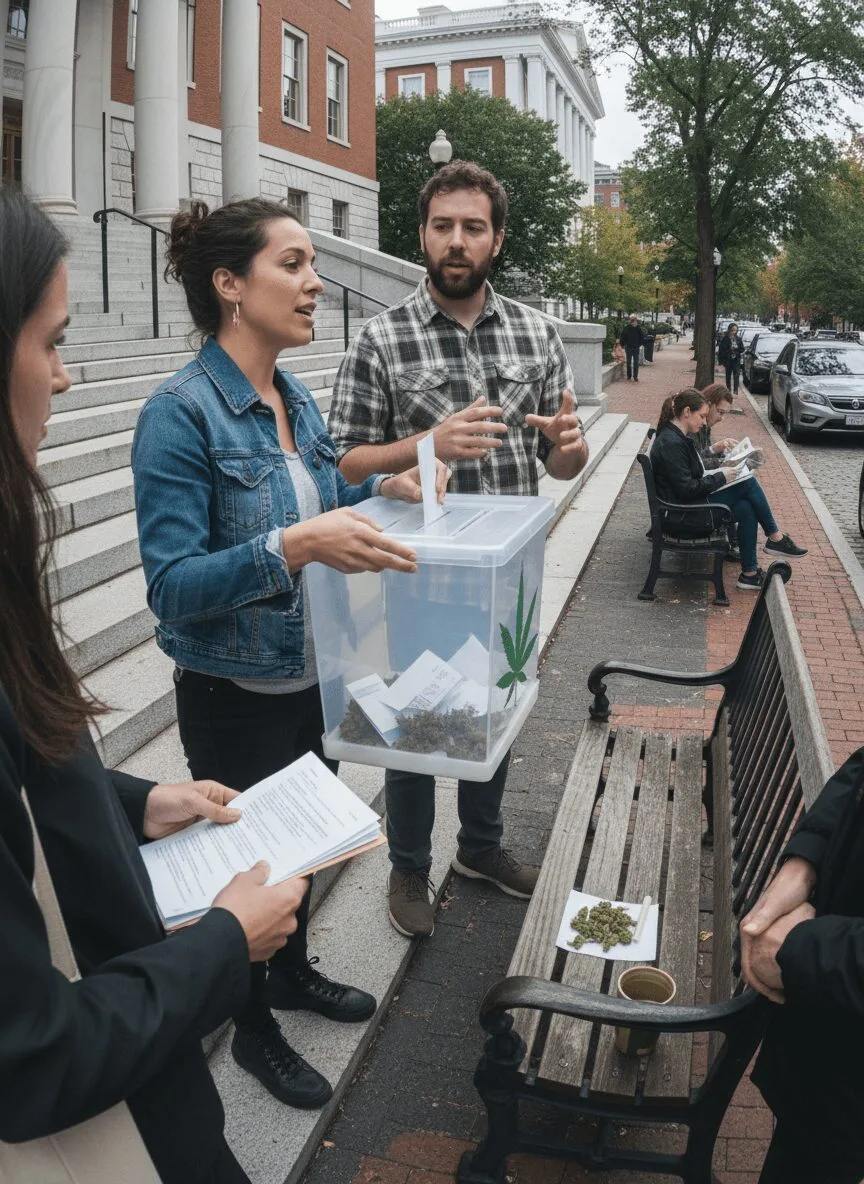
So, what’s actually going down in the Massachusetts marijuana ballot mess? According to New England Public Media, the dispute exploded after activists filed a flurry of petitions intended to clarify—some would say rewrite—key parts of state cannabis law in late 2025. These petitions ranged from clarifying local approvals for new dispensaries to changing how the Cannabis Control Commission (CCC) oversees licensing. The shake-up couldn’t have come at a busier time. If you want to understand why petition language and citizen activism are taking center stage, see the latest coverage about legal twists rocking cannabis ballot initiatives. Governor Maura Healey’s administration recently floated a proposed $250 million budget ‘Band-Aid’ to cover shortfalls partly linked to lower-than-expected cannabis tax revenue. Meanwhile, audits on the state’s child care funding—which surprisingly intersect with cannabis revenue allocations—raised major questions about public spending priorities. Local dispensary groups, including prominent operators, joined forces with advocacy organizations like MassCann NORML to demand greater transparency from lawmakers. According to legislative reports, Beacon Hill legislators were still mulling changes as of January 2026, with some insiders warning that the convoluted ballot mess could delay progress on social equity programs and slow retail expansion for months to come.
Expert Analysis & Cannabis Industry Insights
From my years in the cannabis trenches, here’s the deal: political headaches around ballots aren’t just Massachusetts’ problem, they’re an industry-wide challenge. The lack of a clear framework for changing cannabis laws has impacted other states as well, as shown by situations like the Livermore Falls cannabis moratorium in Maine. A major kink in the system, says Marijuana Moment, is unclear separation of powers between regulators, municipalities, and voters. When everyone’s fighting for a piece of the cannabis pie, things get messy fast. Industry pro and lawyer David Noble put it bluntly: “Without a unified vision on how cannabis tax revenues are used or who controls licensing, Massachusetts risks losing consumer trust and market momentum.” That’s as real as it gets. Everyone from cultivators to front-line budtenders feels the impact. Local shops fear that ballot confusion means delayed openings, lost revenue, and more red tape. Still, there’s no shortage of hustle. Operators are quietly banding together, pushing for policy tweaks that protect both equity applicants and established players. And hey, if there’s one thing cannabis folks know how to do, it’s keep grinding until the system catches up.
Forward Look: Opportunity Ahead in the Massachusetts Marijuana Ballot Mess
Despite all the tension, the Massachusetts marijuana ballot mess represents more than just bureaucracy gone wild—it’s a sign of a maturing, fighting-for-its-rights industry. Sure, the next few months may be bumpy, but the spirit of cannabis advocacy here is stronger than ever. Regulatory drama? Check. Frustrated entrepreneurs? Always. But as more communities buy in and politicians recognize cannabis as a real economic driver, social acceptance deepens. A recent Pew Research Center poll found 88% of Americans back some form of legal weed. Massachusetts is in the messy middle now, but expect brighter days ahead, smarter policies, and—eventually—a cannabis scene rivaling the West Coast elite. Stay tuned and stay engaged. The story of the Massachusetts marijuana ballot mess isn’t over; it’s just rolling up for another session.
Originally reported by: nepm.org
1 Comment
Pingback: Digital interventions for substance use: Breakthrough Solutions