Livermore Falls cannabis moratorium: What’s at Stake?
The Livermore Falls cannabis moratorium is the latest hot topic stirring both debate and curiosity across Maine. With the cannabis industry booming nationwide, and more towns statewide rethinking their cannabis regulations, it’s no shock that Livermore Falls is now weighing its next steps. This isn’t just about one small community—what happens here could echo throughout the region, impacting businesses, residents, and Maine’s evolving attitude toward cannabis. Let’s dig into what’s going down, why it matters today, and how this situation shapes the big picture for cannabis in Maine and beyond.
Understanding the Context: Why Livermore Falls Is at a Crossroads
When it comes to cannabis, small towns like Livermore Falls find themselves in the thick of a complex regulatory scene. Maine legalized adult-use cannabis back in 2016, according to state regulatory records, but the law left it up to each municipality to decide whether businesses could set up shop. Since then, towns have experienced a tug-of-war between economic opportunity and public concern. Some worry that local crime could become an issue if regulations aren’t carefully crafted, much like discussions that have emerged following high-profile incidents in other regions where shifting views on cannabis crime are shaping debate. Others see cannabis as a lifeline for local revenue and job growth. Social attitudes are quickly evolving, but regulatory uncertainty lingers. The Office of Cannabis Policy keeps a close eye on local ordinances and compliance, and recent trends show more communities across Maine enacting temporary bans, or moratoria, while they figure out the best path forward. The Livermore Falls cannabis moratorium fits right into this wider statewide movement, reflecting both economic hopes and ongoing tensions over cannabis regulation.
Key Developments and What’s Shaping the Livermore Falls Cannabis Moratorium
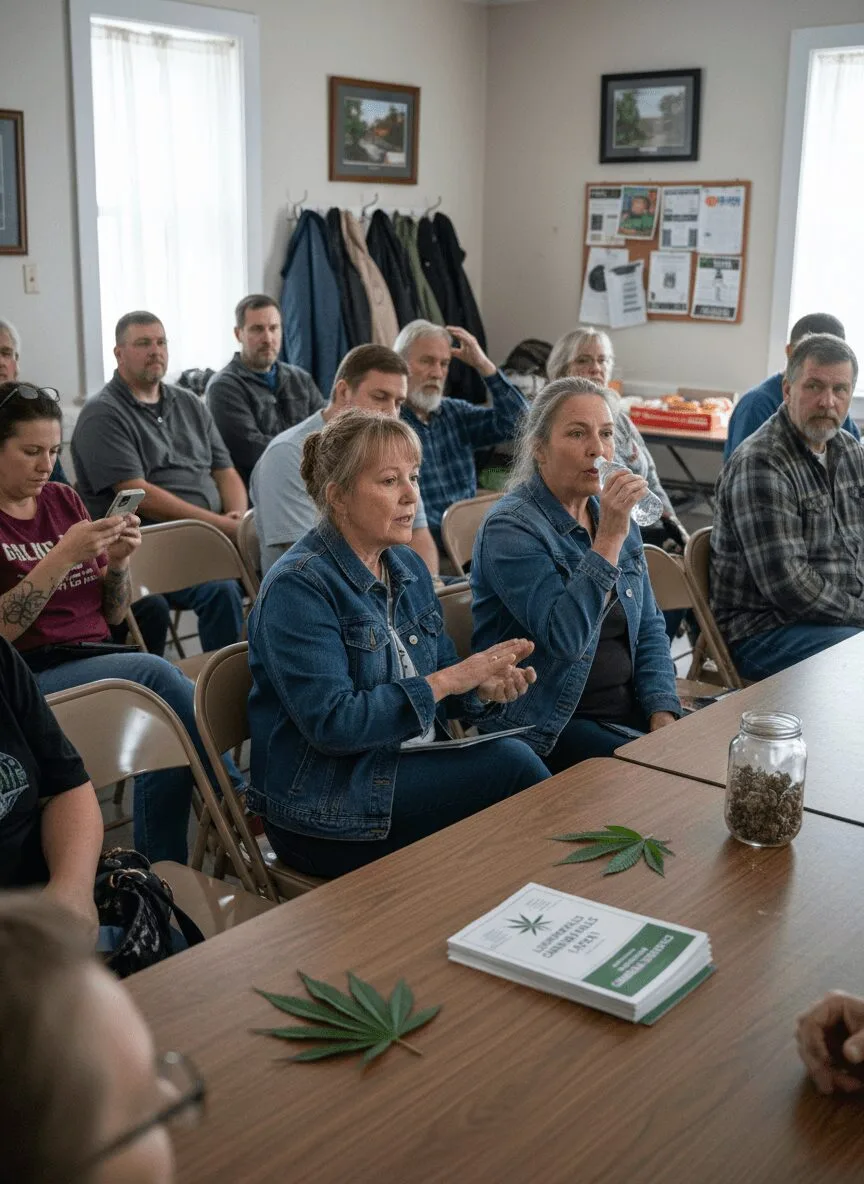
Here’s what’s gone down: On January 12, 2026, the Livermore Falls board gathered to debate a possible moratorium on new cannabis businesses, as reported by the Lewiston Sun Journal. Residents packed a modest town hall, some showing support for local entrepreneurs and others voicing concerns reminiscent of larger industry trends, such as shifts seen recently in Massachusetts, where surprising market changes have impacted communities. Town officials acknowledged the pressure: a surge of business license applications, shifting state guidelines, and vocal opinions on all sides. Existing business owners, who’ve followed the rules from day one, voiced concern that a freeze could halt their expansions or chase away outside investors. According to meeting minutes, the proposed moratorium would pause all new cannabis-related business applications for at least six months, giving the town time to review and update zoning rules, public safety plans, and compliance frameworks. Board members emphasized this wasn’t a blanket rejection of cannabis, but a precaution to get the rules right. The Sun Journal’s coverage noted growing interest from outside cannabis companies eyeing Maine’s open landscape as bigger markets get saturated, a factor driving the urgency behind the Livermore Falls cannabis moratorium debate.
Expert Analysis, Industry Perspective, and the Livermore Falls Cannabis Moratorium
So, what’s the real play here? From a cannabis advocate’s perspective, the Livermore Falls cannabis moratorium is a classic symptom of growing pains in the U.S. legal weed market. Local governments want to avoid the ‘Wild West’ chaos some towns saw in early legal states. But excessive caution can have its own risks, much like the evolving regulatory scene where Illinois is actively overhauling cannabis laws to strike the right balance. As MJBizDaily analysts point out: “Communities that enact clear, fair guidelines benefit most—attracting legitimate investment, supporting small operators, and building long-term trust.” Livermore Falls is right to do its homework, but advocates warn against restrictive moves that chase off responsible business owners. As industry veteran Kris Krane put it in Leafly: “Thoughtful regulation protects communities. Fear-driven bans just send good people, and jobs, somewhere else.” Towns like South Portland and Bangor have shown how collaborative planning can bring solid outcomes. Experts say Livermore Falls’ process should include input from residents, law enforcement, business owners, and cannabis professionals alike, ensuring policy is based on real-world risks and rewards, not old stereotypes.
What’s Next? Green Shoots and an Evolving Landscape
Whatever happens, Livermore Falls is part of a bigger story: Maine—and much of America—is learning how to balance opportunity and oversight in the cannabis sector. The Livermore Falls cannabis moratorium could spark more open conversation, smarter regulations, and a climate where genuine community needs come first. Looking forward, national trends show that well-regulated cannabis markets generate jobs, fresh tax revenue, and a boost for struggling downtowns—if done with care and community buy-in. According to the Brookings Institution, towns that find the sweet spot between structure and flexibility thrive the most. Here’s hoping Livermore Falls leads by example—embracing regulation without closing the door on Maine’s green, growing future.
Originally reported by: sunjournal.com