


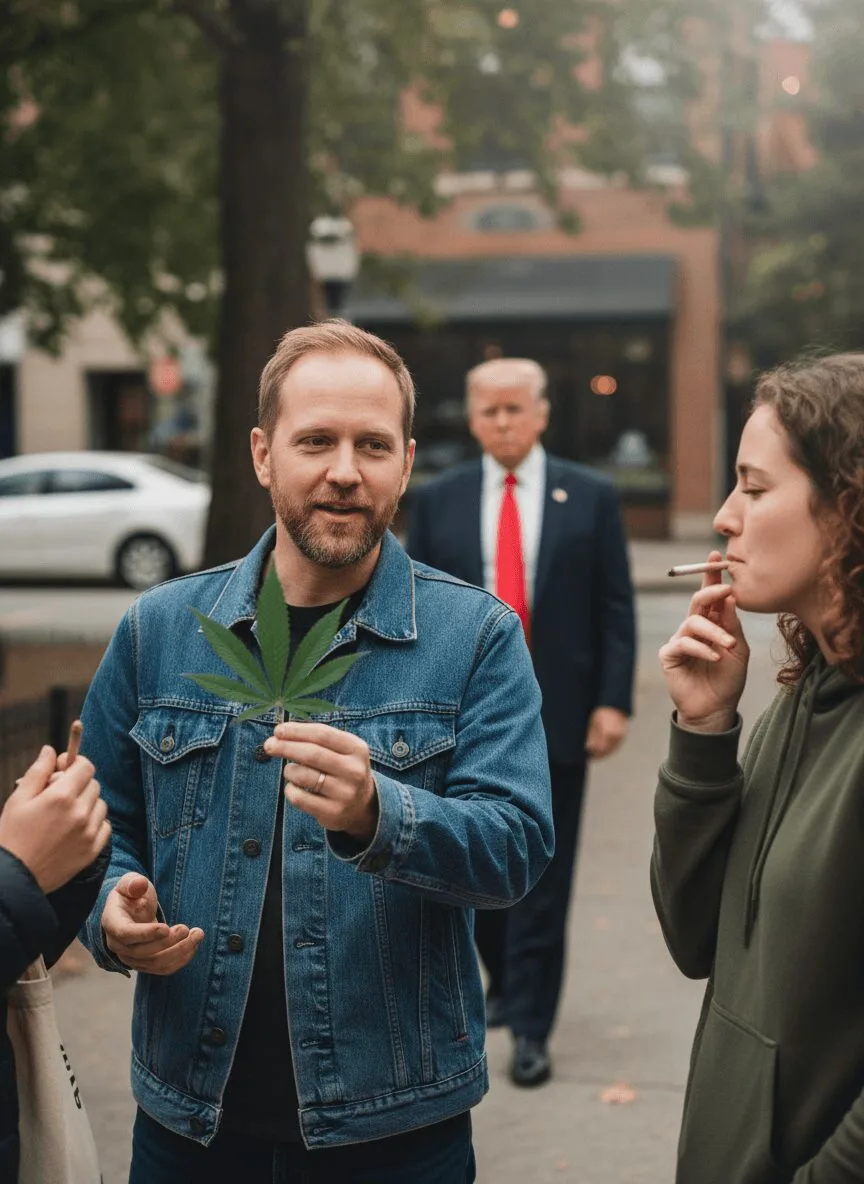
Trump marijuana policy: What’s Changing Now?
The Trump marijuana policy has become a major talking point as the United States edges closer to mainstream cannabis acceptance. Recent headlines, evolving laws, and shifting political stances have ignited debates among advocates and critics alike. Understanding what’s changing and what it means for the future has never been more crucial. This article breaks down the fresh movements in Trump marijuana policy, why they matter, and where the cannabis industry could go next.
Understanding the Backstory: Cannabis, America, and Politics
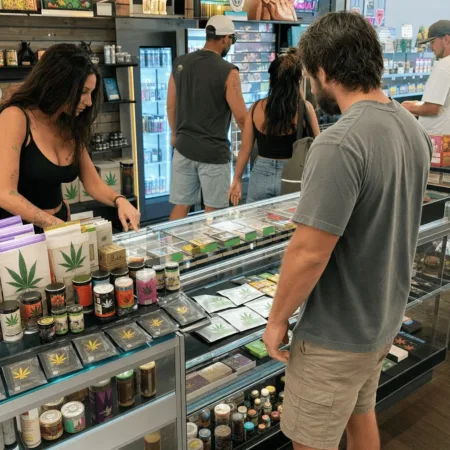
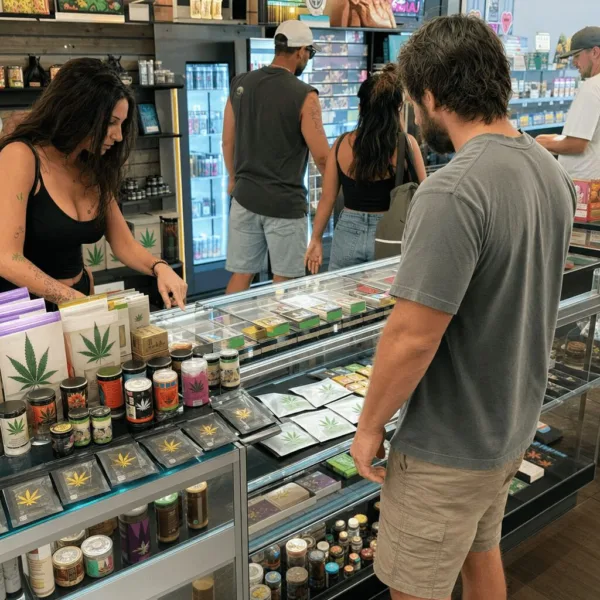
To appreciate the impact of the latest Trump marijuana policy changes, it’s essential to grasp the nation’s ongoing relationship with cannabis. For decades, federal law placed cannabis in the same bucket as hardcore narcotics under Schedule I of the Controlled Substances Act. This label has long clashed with the rapidly expanding state-legal market, where over half of U.S. states have legalized cannabis for medical or adult use. The National Conference of State Legislatures tracks these evolving laws, reflecting ongoing tension between federal restrictions and local reforms. Meanwhile, public support for legalization hit historical highs, with recent Gallup polling showing nearly 70% approval. Still, the federal roadblocks have kept legitimate businesses in limbo, stalling banking access, stifling research, and further marginalizing communities harmed by the failed War on Drugs. Stories like the Rock Island woman marijuana arrest show how local enforcement can spark community debate, underlining the lingering divide as Trump marijuana policy changes unfold against this complex backdrop, one defined by shifting public attitudes, patchwork regulations, and mounting economic stakes.
Trump Marijuana Policy: Key Moves, Headlines, and Real-World Impact
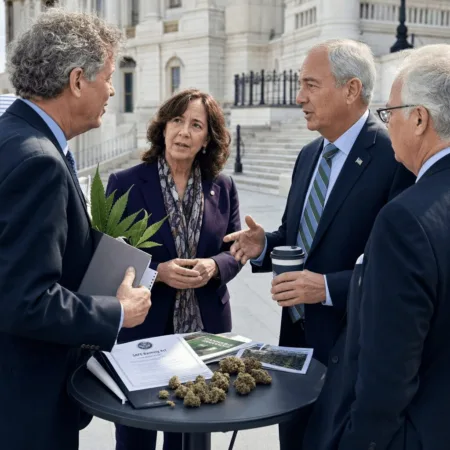
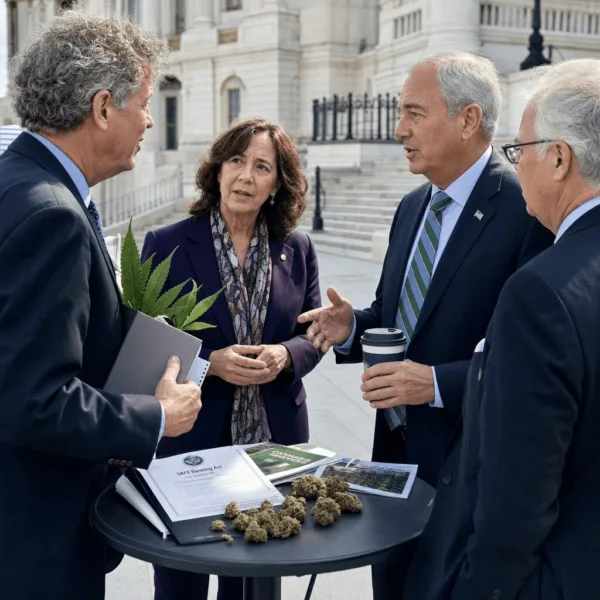
The latest developments in Trump marijuana policy emerged following a wave of national conversation about federal cannabis penalties and criminal justice reform. In a noteworthy move, President Trump signaled openness to reviewing federal cannabis law during a rally and in subsequent interviews. Several media outlets, including Politico, reported the Trump campaign’s consideration of rescheduling cannabis or issuing targeted federal pardons for nonviolent offenses if re-elected. The policy stir came after the DEA confirmed in May 2024 that it is actively reviewing cannabis’ Schedule I status, in part due to advocacy from broad political coalitions. The shift marks a departure from the administration’s earlier, more hardline approach, which included the 2018 rescission of the Cole Memo guidance that shielded state-legal operations from federal interference. Advocacy groups such as NORML have noted an uptick in dialogue about meaningful reform since Trump’s recent remarks. As both parties enter the 2024 campaign season with cannabis policy in the spotlight, significant headlines—like those involving the police officer death involving marijuana suspects—are driving public attention to how evolving policy could affect legal, law enforcement, and social realities nationwide.
Expert Analysis, Industry Insight, and Balanced Takeaways
Experts widely agree that Trump marijuana policy shifts are creating fresh momentum and uncertainty for the industry. According to John Hudak, a senior fellow at the Brookings Institution, “If federal policy genuinely softens, it could unlock transformative growth for legal cannabis, but the devil’s in the details.” (Brookings Institution). Many in the cannabis world are cautiously optimistic; rescheduling could make research easier, boost investment, and allow better access to traditional banking. Critics point out, however, that signals from the Trump camp have sometimes been mixed, urging stakeholders to stay engaged. “Ultimately, policy shifts only matter if they result in real, enduring change for patients, businesses, and communities,” says Dr. Sue Sisley, a leading cannabis researcher (Forbes). As states continue to build legal infrastructure, ongoing developments are also evident in how health risks associated with marijuana products—such as those discussed in recent analysis of cannabis edibles and consumer safety—are increasingly a focus for both regulators and consumers, showing how the conversation extends well beyond simple legalization.
Looking Ahead: Policy, Acceptance, and the Green Wave
The future of Trump marijuana policy holds both uncertainty and immense promise. Industry analysts and veteran advocates agree that, regardless of which administration steers the ship, the tide of legalization is unlikely to reverse. According to MJBizDaily, legal U.S. cannabis sales eclipsed $33 billion in 2023, and new states keep green-lighting reform. Social acceptance is growing, science is catching up, and local governments are increasingly empowered. As lawmakers nationwide debate paths forward, it’s clear that the cannabis movement has staying power, and every shift in national policy puts us closer to a truly modern approach. Staying informed, vocal, and optimistic will be key as both advocates and the industry navigate what comes next.
Originally reported by: thebaynet.com