





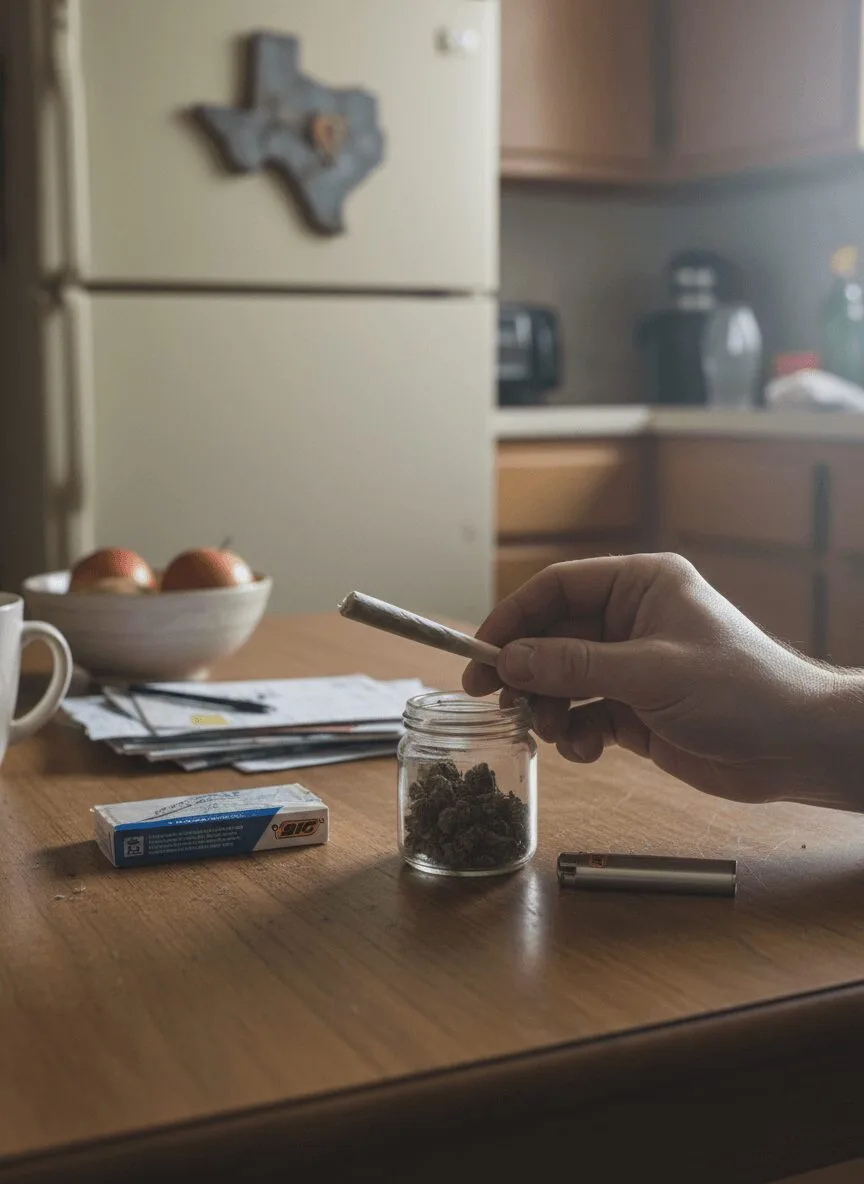
Texas smokeable cannabis ban: What it means for users
The Texas smokeable cannabis ban has stirred up serious conversation across the state, and it’s not just the canna-curious paying attention. With new legislative shifts coming into play, consumers, business owners, and advocates are grappling with what these changes mean for daily life and industry growth. Whether you’re rolling one up or watching cannabis culture from a distance, this ban draws a line in the sand. Today’s landscape is changing fast, from Texas policy rooms to kitchen tables, and understanding what’s actually happening helps everyone—no green thumb required. In this article, we break down the Texas smokeable cannabis ban, explore the roots of the regulation, dive into pivotal updates, and offer expert insights on what’s next for Texans and anyone curious about the industry’s direction.
Why Is Texas Moving Ahead With a Smokeable Cannabis Ban?
It’s no secret that Texas has always walked its own path when it comes to cannabis regulation, generally taking a conservative approach. The state’s current framework allows only tightly restricted medical cannabis use, with low-THC prescriptions dispensed through a handful of licensed dispensaries — as documented by Texas.gov. CBD and hemp-derived products became widespread after the 2018 Farm Bill federally legalized industrial hemp, yet smokable forms like pre-rolls and raw flowers have remained contentious here. Lawmakers and regulators cite concerns about public health and youth access, referencing alarm from certain local health authorities and law enforcement agencies (see the Texas Department of Public Safety). At the same time, market demand for smokeable cannabis is undeniable. Major cannabis industry reports, such as those from MJBizDaily, show that flower and pre-rolled options consistently lead sales in legal states. In other regions, regulatory changes stir up industry debates and can result in oversight sparking controversy, demonstrated by ongoing developments in Nevada’s marijuana policy. As the Lone Star State weighs consumer freedom against caution, the Texas smokeable cannabis ban has become a lightning rod for heated debate between public safety, states’ rights, and rising grassroots support for broad reform.
Inside the Ban: Key Developments, Legal Roadblocks, and Industry Impacts
The Texas smokeable cannabis ban is set to take effect as soon as January 25, 2026, according to Houston Public Media. This means the manufacturing and sale of smokeable hemp products will be officially prohibited, despite their popularity on the market. The legal road leading here is winding. Back in 2019, when Texas legalized hemp, regulators initially tried to restrict smokeable products. The ban was paused after several lawsuits, including a high-profile challenge by companies like Crown Distributing and America Juice Co., but court decisions in late 2025 upheld the ban, citing ambiguity in federal law. The ruling now allows Texas to enforce the restriction fully. Retailers must halt sales of flower and pre-rolls, with civil penalties and license risks on the table for violators. Consumers, meanwhile, face a loss of access to preferred products with virtually no grandfathering period. Industry insiders estimate that smokeable cannabis accounted for as much as 40% of some hemp retailers’ business (MJBizDaily reports). These industry impacts echo concerns raised elsewhere in the country, such as when community tensions and cannabis reform come into focus after notable law enforcement actions, as seen with recent marijuana arrests in North Platte. While edible and topical hemp-CBD products remain available, this Texas smokeable cannabis ban targets raw forms specifically, driving rapid shifts in supply chains, shop inventories, and consumer options.
Expert Insights: What the Texas Smokeable Cannabis Ban Means for Texas (and Beyond)
Cannabis industry veterans and legal scholars have been quick to weigh in on the Texas smokeable cannabis ban. According to Leafly, bans like these often push consumers to less-regulated or illicit sources, undermining both safety and transparency. “Whenever a state imposes a ban on a popular product, people don’t suddenly stop using it — they just find workarounds or turn to the unregulated market,” says industry analyst Heather Fazio of Texans for Responsible Marijuana Policy. In legal states like California and Colorado, smokeable flower remains the backbone of consumer sales, often accounting for half or more of retail revenue (MJBizDaily). Removing these products from Texas shelves means local businesses lose out on significant revenue, while public health aims may not be fully met. Calls for clear, responsive regulatory frameworks are not unique to Texas. Small businesses advocating for change have echoed their positions in public hearings, as seen in the demands made at a DSHS hemp rules hearing. At a national level, the Texas smokeable cannabis ban spotlights the patchwork of cannabis laws across the U.S., amplifying calls for federal clarity. Despite Texas’s firm stance, advocates point to growing public support for cannabis reform: as of 2023, a Pew Research Center survey indicated that two-thirds of Americans favor some form of legalization — a sign that bans like this might not stand the test of time.
What’s Next? The Road Ahead After the Texas Smokeable Cannabis Ban
Even as the Texas smokeable cannabis ban takes effect, the conversation—and the innovation—aren’t stopping. Consumers, entrepreneurs, and advocates are already exploring compliant product alternatives and new ways to support safe cannabis access. Market experts project continued growth for edibles and tinctures, while legal challenges and legislative pushes are likely to keep the topic front and center into 2026. Meanwhile, national momentum is building toward common-sense regulation; as seen in states from New York to Illinois, flower bans rarely last for long when consumer demand remains strong (NORML). With social attitudes evolving and the economic benefits of regulated cannabis more obvious than ever, Texas may yet find its own way to balance safety and access. One thing’s certain: the story of the Texas smokeable cannabis ban isn’t over—and as market forces, scientific research, and grassroots advocacy keep growing, a new chapter for cannabis in Texas looks all but inevitable.
Originally reported by: houstonpublicmedia.org
1 Comment
Pingback: Wisconsin THC theft suspect caught on camera—see the details