If you thought the era of big-time weed busts was behind us, think again. The recent marijuana trafficking arrest in Florida serves as a wake-up call for anyone following the ever-shifting boundaries of cannabis legality and enforcement. With over 230 pounds of marijuana discovered in a stolen trailer, this headline-grabbing case highlights the crossroads between modern cannabis commerce, public safety, and evolving criminal justice debates. Dive in to see why the marijuana trafficking arrest story is more relevant—and controversial—than ever, as legalization trends clash with old-school enforcement on America’s highways.
Regulatory Landscape: Cannabis Enforcement in Flux
The current cannabis landscape in the United States is a hot patchwork of legal, gray, and downright illegal activities, with Brookings Institute analysis confirming that state-by-state legalization fuels confusion over what’s permitted and what’s not. Despite massive legal-market growth—over $33 billion in US cannabis sales in 2023, per New Frontier Data, the federal government still classifies marijuana as a Schedule I substance. So, even as legal dispensaries thrive, cross-border and interstate transportation of weed remains a target for law enforcement. Local police and sheriff’s deputies often straddle a tough line, choosing which cases get prioritized as the patchwork persists. For folks operating in or around the legal gray zone—growers, distributors, and consumers—these rapid changes shape both opportunity and risk. Workers exploring cannabis career opportunities face an evolving industry with unique challenges, as gaining certification can set job seekers apart, as highlighted by specialized cannabis career certificate programs. The recent marijuana trafficking arrest shows just how complex enforcement can get in states like Florida, where recreational use still isn’t legal and black-market distribution remains a key law enforcement focus.
Major Marijuana Trafficking Arrest: Stolen Trailer, Heavy Weights, and Police Action
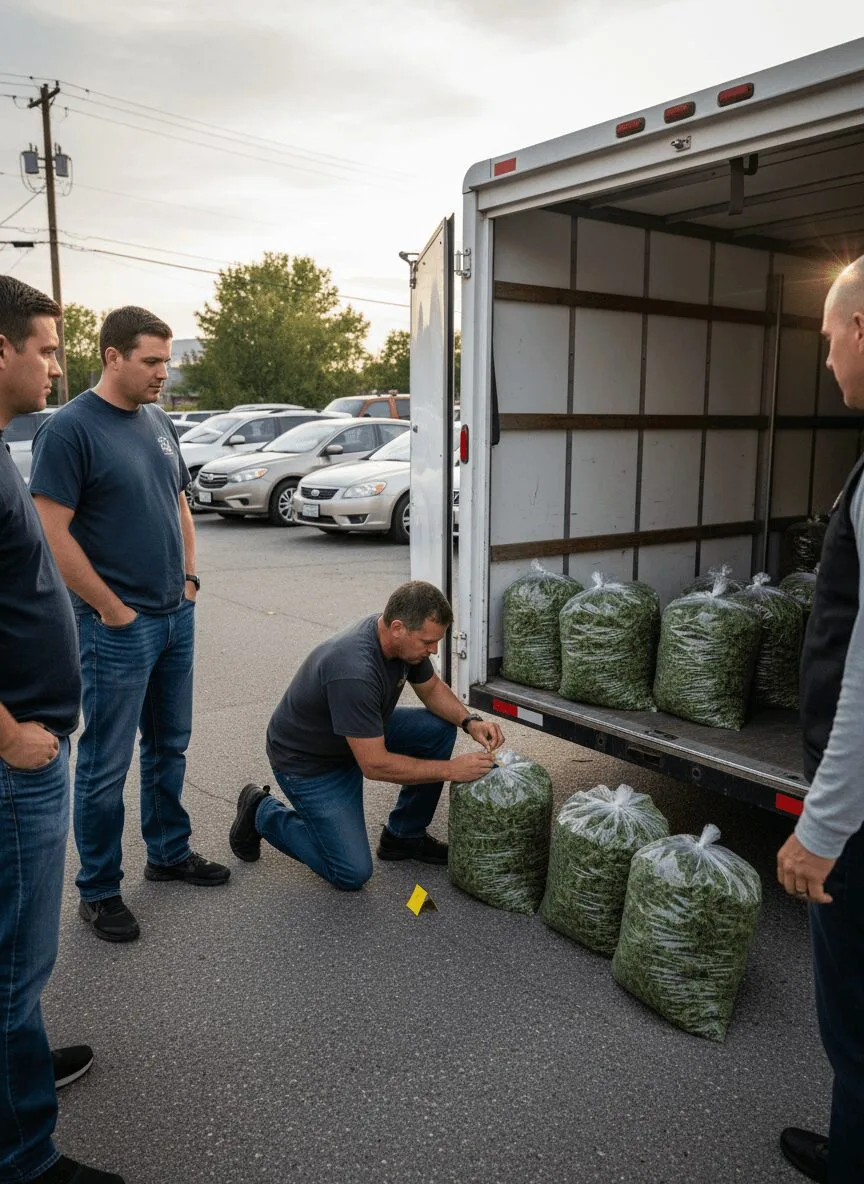
On June 13, 2024, authorities in Florida made headlines with a major marijuana trafficking arrest after discovering approximately 230 pounds of cannabis stashed in a reportedly stolen plain trailer. As detailed by CBS News Miami, law enforcement officers were conducting a routine check when they noticed the trailer sitting somewhat out of place in a nondescript parking lot. What appeared to be a mundane stolen-vehicle query quickly escalated into a full-blown trafficking investigation when officers opened the trailer doors and uncovered multiple clear plastic bags packed with green cannabis buds. Evidence markers were placed on-site as forensic teams documented the scene, which was reminiscent of tensions in small communities following marijuana-related arrests, such as those described in recent North Platte marijuana arrests. The suspect, a male whose identity has not yet been disclosed pending further legal action, was arrested and charged under Florida’s strict drug trafficking statutes. According to Florida State Senate Statute 893.135, trafficking large quantities of marijuana can result in severe penalties, including multi-year prison sentences and hefty fines. Police cited public safety and the persistent black market as primary motivations for their vigilance, reinforcing the heightened scrutiny facing anyone operating outside the regulated framework.
Expert Perspectives: Why This Case Matters for Cannabis Progress
This marijuana trafficking arrest may seem like just another cannabis bust, but there’s more to unpack. As regulatory reforms echo nationwide, legacy enforcement tactics clash with new realities, leaving many operators caught between compliance and criminalization. According to Marijuana Moment, the rise in legal markets hasn’t eradicated black market distribution—instead, it’s pushed it into riskier spaces where price competition and transport restrictions create high-stakes incentives. Industry expert and legalization advocate Steve DeAngelo notes, “When states lag behind on updating their cannabis laws, they inadvertently empower illicit trade and undermine public safety. The answer isn’t harsher prosecutions, it’s smart regulation and safe, accessible legal markets.” (Leafly). These challenges are similar to what California faces as its evolving cannabis regulations shape the state’s future, demonstrating that the solution to incidents like this marijuana trafficking arrest lies in unified policy improvements and robust legal infrastructure, as discussed in California’s regulatory updates. Candid scenes like the recent bust highlight the urgent need for social equity programs, decriminalization, and educational outreach—rather than criminalizing ordinary people drawn into the underground economy by lack of legal opportunity.
Looking Forward: Cannabis, Reform, and Shared Responsibility
Even as this latest marijuana trafficking arrest draws social media scrutiny and mainstream news coverage, the cannabis industry’s momentum is undeniable. With more states moving toward reform—think Ohio’s recent legalization push and robust debate in Florida—public support for ending prohibition continues to swell. According to Gallup polling reported by NORML, over 70% of Americans now back legalization or major reform. Cases like this underscore the tension between outdated enforcement and a burgeoning legal marketplace. But let’s keep looking ahead: smart reforms, social equity, and robust compliance—not blanket enforcement—are shaping the future of American cannabis. As policymakers, industry leaders, and consumers keep pushing for progress, stories of marijuana trafficking arrests may soon become relics of an old era. Until then, stay informed, support reform, and remember that smart, just laws are the true path to safer, more equitable cannabis access for all.
Originally reported by: cbsnews.com