


Florida recreational marijuana legalization: Will it happen?
The buzz around Florida recreational marijuana legalization keeps getting louder. With strong shifts in public opinion, major political debate, and a proposed amendment attracting national attention, the state is at a crossroads. Whether you’re a hopeful advocate or a cautious observer, the fate of Florida’s cannabis movement could influence policies across the South. In this guide, we’ll break down what’s at stake, who’s pushing for reform, why it matters now, and what lies just ahead for Floridians. The focus keyword Florida recreational marijuana legalization is on everyone’s mind—and here’s why you should care.
Understanding the Road to Florida Recreational Marijuana Legalization
Florida’s rollercoaster quest for recreational marijuana legalization stretches back more than a decade. Medical cannabis became legal after voters passed Amendment 2 in 2016, but recreational use remains restricted. As trends accelerate nationwide, more Floridians are questioning outdated laws. The Pew Research Center recently reported that approximately 88% of Americans back legal medical or recreational cannabis. Yet, Florida’s path has been slowed by political resistance, high signature requirements for ballot initiatives, and legal battles over amendment wording. Florida’s current legal stance remains strict, with only approved patients having access to medical cannabis under the supervision of a qualified physician, as noted by the Florida Department of Health. Social and demographic factors, from senior citizens to tourism influences, add complexity to the public conversation. At the market level, Florida already boasts one of the largest medical cannabis customer bases in the country, as Headset.io industry data confirms, reflecting established infrastructure similar to states that faced regulatory scrutiny such as those detailed in Florida MMTC Advertising Rules. But the gap between medical and recreational access keeps the debate heated and momentum building toward comprehensive change.
The Latest Moves in Florida Recreational Marijuana Legalization
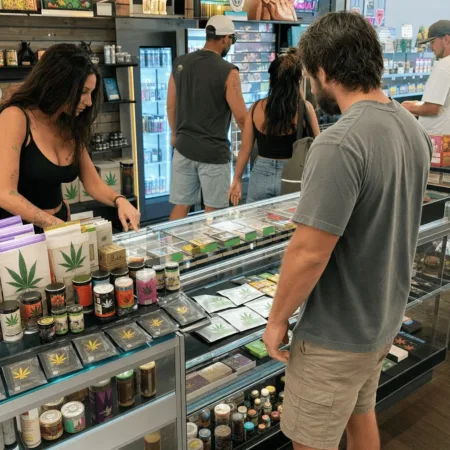
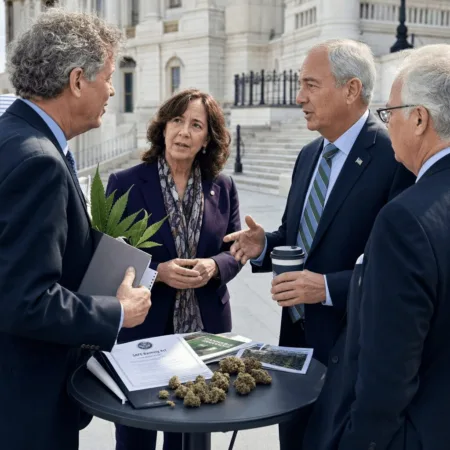
The big headline right now, a 2026 recreational marijuana amendment could transform consumption, sales, and criminal justice in the Sunshine State. Activists, primarily Smart & Safe Florida, have been working tirelessly to bring this proposed measure to voters, according to Tallahassee Democrat. Their latest petition campaign garnered well over the 900,000 signatures needed, signaling serious grassroots support. The proposal aims to allow adults 21 and over to legally purchase, possess, and use cannabis for personal enjoyment. But the journey hasn’t been all sunshine and rolling papers. The state Attorney General filed briefs challenging the amendment’s wording, concerned it may mislead voters about federal law’s ongoing prohibition. Legal blowback has landed the issue in the Florida Supreme Court’s hands, as their justices will decide if the ballot language gets the green light. Industry leaders like Trulieve, a top cannabis operator in Florida, have pumped millions into the campaign, betting on a booming consumer market if the law changes. In November 2026, if cleared by the courts, voters will have a direct say—potentially reshaping Florida’s cannabis laws with a single checkmark. The magnitude of statewide transitions mirrors broader legalization efforts highlighted by election developments, such as Nebraska Cannabis Commission Elections and how voter engagement can shape cannabis futures.
Expert Analysis & Advocacy: What’s at Stake for Florida?
The Florida recreational marijuana legalization debate isn’t just about the right to spark up a legal joint. It’s about criminal justice reform, public health, tax revenues, and personal freedom. National industry analysts at MJBizDaily estimate that full legalization in Florida could create a multi-billion-dollar market in a matter of years. But experts warn it’s not just about business, commenting, “Legalization in states with high tourism like Florida brings unique regulatory challenges and opportunities,” notes Morgan Fox, Policy Director at the National Organization for the Reform of Marijuana Laws (NORML). High-profile opponents, such as state political figures and certain law enforcement leaders, argue the risks to young people and road safety. Proponents fire back with evidence-based research: NIH reviews show that cannabis reform can reduce opioid misuse and unnecessary arrests. Most public discussions now center on responsible use, robust regulation, and social equity provisions—making sure communities hit hardest by prohibition finally benefit from the legal market. Discussions about neighboring states and contrasting reform efforts, such as recent legislative activity in Kentucky, further underscore the sweeping effects of social and legislative advocacy. Marijuana advocates make it clear, change is coming, but only with vigilance and smart policy. As Leafly’s 2023 state-by-state cannabis report put it, “No state stays status quo for long, especially when public demand is this high.”
The Future of Florida Recreational Marijuana Legalization: Growth Ahead?
If the Florida Supreme Court approves ballot language, Floridians could make history in 2026. The steady rise of medical marijuana shows clear public appetite for broader access—and influential business interests smell serious green. Obstacles remain, but the past few years have proven that social acceptance and economic opportunity can overcome even entrenched prohibition. As Ganjapreneur observed, every step toward legalization marks progress for job creation, public health, and consumer choice. The future of Florida recreational marijuana legalization isn’t set in stone, but momentum is building. Stay tuned—it’s going to be a wild, and hopefully rewarding, ride for cannabis culture across the Sunshine State.
Originally reported by: tallahassee.com
1 Comment
Pingback: Shocking Details in Darlington Marijuana Gun Arrest Revealed