


Discover the Most Improved Cities: Urban Wins Unveiled
Change is everywhere, especially in America’s most improved cities, where urban life is getting a fresh upgrade. With new policies, green projects, and even cannabis making its mark on daily routines, cities like Seattle are evolving faster than a well-packed bowl. A focus on transit access, social acceptance, and neighborhood revitalization shows us why the most improved cities are in the spotlight this year. You’ll learn how these improvements connect to cannabis culture, regulatory trends, and urban development, revealing why this topic matters more than ever right now.
Background: The Rise of the Most Improved Cities
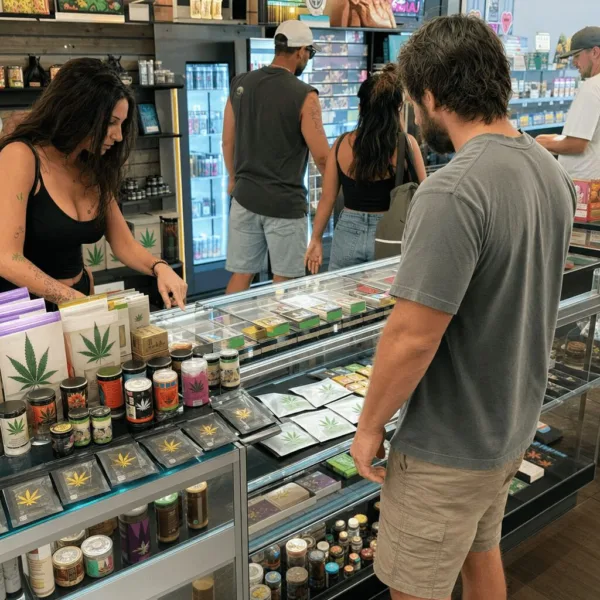
When we talk about the most improved cities, we’re not just blowing smoke, it’s about measurable shifts. Urban landscapes are changing thanks to new infrastructure, smarter regulations, and waves of progressive social attitudes. In places like Seattle, forward-thinking approaches to transit, housing, and cannabis reform are changing the city’s vibe. According to reputable sources like the Seattle Times and City of Seattle, new city projects, including expanded light rail lines and increased funding for public spaces, are fueling the surge. The legal cannabis market, booming since Washington’s 2012 adult-use legalization (see Washington State Liquor and Cannabis Board), also reflects how regulatory flexibility and public acceptance can transform a city’s character. Rising tax revenues from legal sales have funded community improvements, while shifting policies have encouraged social equity and inclusion. For example, local cannabis sales revenue breaks records and highlights what’s really driving the surge. The convergence of these regulatory, legal, and social factors reveals why so many urban centers are now counted among the most improved cities in the nation.
Key Developments: What’s Making These Cities Better?
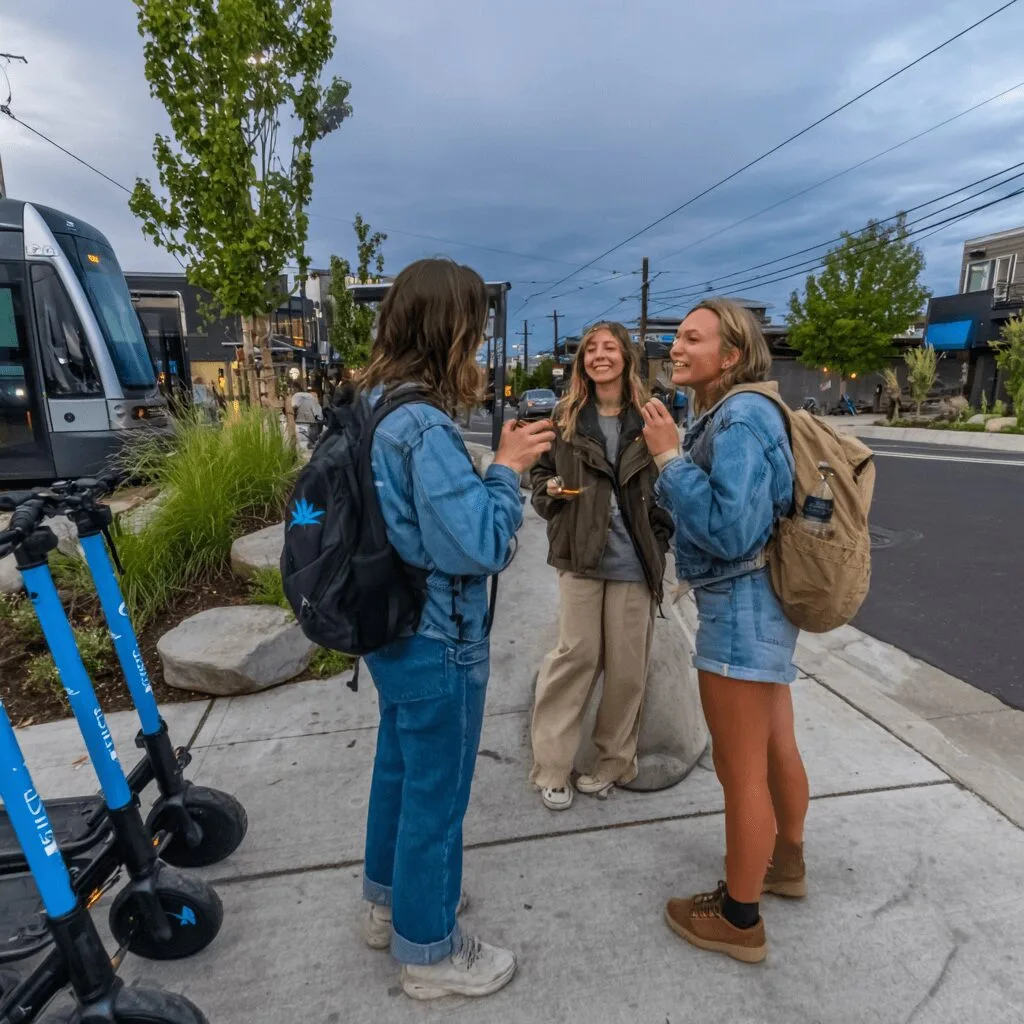
The leap Seattle made from a rainy, car-clogged town to a globally admired model is wild. According to the recent Seattle Transit Blog post “Sunday Movie: Most Improved Cities”, the city’s transit upgrades, streetscape enhancements, and social reforms have created major momentum since early 2024. Light rail expansions by Sound Transit, resurfaced pedestrian areas, urban landscaping, and a flood of new micro-mobility options, think bikes and scooters, have boosted Seattle’s rep. Legal reforms, including expanded expungement programs and inclusive cannabis licensing per Washington State Liquor and Cannabis Board, show up on the ground—especially around iconic urban hubs. Cannabis culture influences the feel of these social spaces. Issues around responsible cannabis use, like those discussed in modern family marijuana and parenting advice articles, are part of the ongoing changes in public dialogue and policy. Community outreach, neighborhood beautification, and a new openness about responsible cannabis use are all part of why Seattle gets crowned as one of the most improved cities in the country. Critics and city planners agree, these updates are no small feat, impacting how people move, gather, and vibe in public.
Expert Analysis: Cannabis, Urban Wins, and Community Impact
From my corner as a long-time cannabis advocate and industry insider, I’m seeing the positive impact of sensible cannabis policy in the most improved cities. Urban upgrades go hand in hand with the normalization of cannabis, breaking decades of old-school stereotypes. As Jane West, founder of Women Grow, so aptly put it in a feature with Leafly News: “Cannabis businesses are not only job creators; their tax revenues are investing in the neighborhoods where people actually live and work.” In Seattle, you can taste the progress, from clean transit stops to lively street corners where people relax with confidence. This isn’t just about weed, it’s about shared progress. Socially responsible cannabis businesses support local events, fund cleanup efforts, and advocate for policy reform. The trends are undeniable—experts are buzzing about what’s to come in 2024, as seen in recent industry predictions and analysis. It’s no coincidence that the most improved cities have thriving cannabis communities. The evidence is stacking up, and the results are visible to anyone taking an afternoon stroll through these neighborhoods. Industry leaders and urban planners now see that when cannabis is normalized, everybody wins: more open dialogue, stronger local economies, and healthier, more connected communities.
Looking Ahead: The Future of the Most Improved Cities and Cannabis
The story’s still blazing for America’s most improved cities. With positive momentum building, especially around inclusive policy and urban projects, Seattle and similar metros offer a model for sustainable growth, public health, and community engagement. According to MJBizDaily, expanded legalization and thoughtful regulation remain vital to long-term improvement. Social acceptance of cannabis isn’t just a trend—it’s shaping real changes in the built environment and the spirit of each city. As we look to the future, I’m betting these trends keep rolling: cleaner streets, safer neighborhoods, smarter transit, and more open-minded policies. Here’s to the next round of most improved cities—a testament to what’s possible when cool heads, clear rules, and a little green thumb work together.
Originally reported by: seattletransitblog.com
1 Comment
Pingback: Marijuana Political Donations: How Big Money Shapes Power