Senator marijuana reform: The Honest Push You Need to Know
If you’re tuned into the cannabis world, you know momentum behind senator marijuana reform is hitting new highs. With shifting public opinion, industry booms, and a changing legal landscape, it’s not just stoners and lobbyists talking—it’s senators drafting real change. Today’s spotlight on senator marijuana reform matters because it’s signaling broader acceptance, potential federal moves, and the dismantling of outdated law. In this guide, we unpack background, major news, and expert takes that’ll give you the truth, not hype.
Regulatory and Social Background of Senator Marijuana Reform
To appreciate the gravity of senator marijuana reform, let’s zoom out. First off: cannabis regulation in the U.S. is a tangled patchwork. For decades, federal law (see DEA Controlled Substances Act) placed marijuana squarely in Schedule I, equating it with drugs like heroin. While some states have pioneered their own paths, new developments continue to fuel discussion, notably the ongoing debate about marijuana reclassification and changing laws. State after state, now over 38 according to the National Conference of State Legislatures, has adopted some form of medical or adult-use legalization. What does this mean? It means law and reality are woefully out of sync.
Socially, senator marijuana reform is riding a swelling tide of popular support. According to a 2023 Gallup poll, 68% of Americans favor legalization. Meanwhile, economic projections from Leafly’s Jobs Report show cannabis creating more jobs per capita than any other U.S. industry. The question isn’t if reform will come, it’s how big, how soon, and whether lawmakers keep up.
The legal gulf between federal and state regulation has real consequences: stunted business banking, inconsistent research guidelines, and, frankly, too many folks in jail for what others do legally. These policy differences are fueling conversations nationwide as legislators consider regulatory fixes similar to the changing landscape created by new THC legalization solutions. That’s why senator marijuana reform is the most-watched storyline in both politics and the cannabis world right now.
Key Developments and Issues in Senator Marijuana Reform
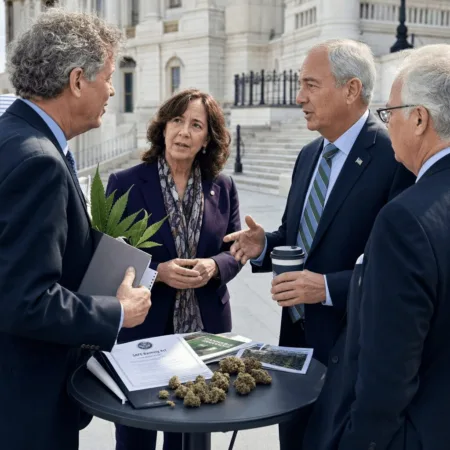
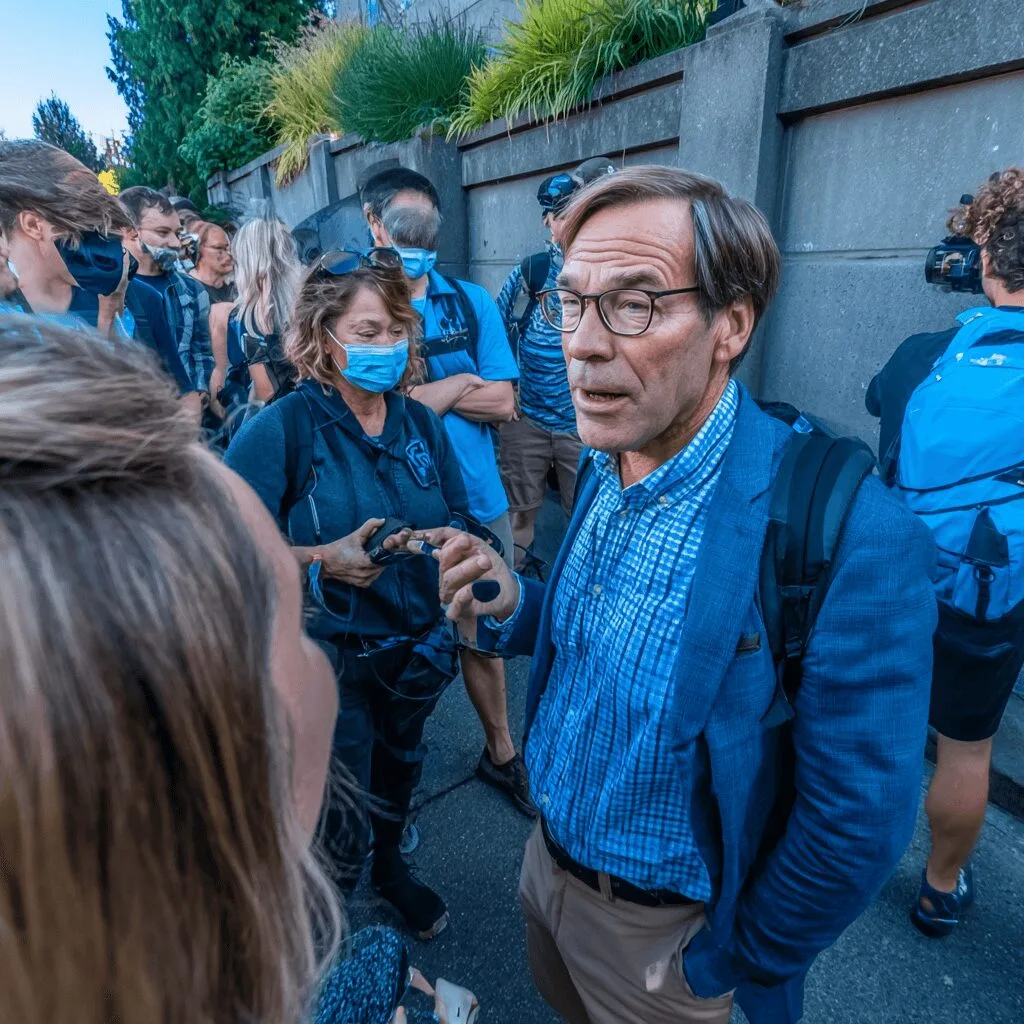
This week’s headline buzzes around Senator Lamar’s vocal stance, as caught on Action News 5, where the senator discussed a renewed bipartisan push for substantive marijuana law overhaul. The conversation happened outside a government building, setting the right stage for what advocates have called a watershed moment. According to the Action News 5 report, Senator Lamar highlighted clear priorities:
- Working across the aisle to remove outdated criminal penalties for simple cannabis possession.
- Introducing modern frameworks for regulated sales and licensed production, echoing successful models in states like Colorado and Illinois.
- Pushing for automatic expungement of non-violent marijuana convictions—a system already in progress in states like California.
The spotlight interview laid out Senator Lamar’s legislative timeline: new bills are set to be introduced in the spring session, with a goal to harmonize emerging state regulations with current federal law. The senator also acknowledged concerns from law enforcement but pointed to falling criminal justice costs in legalized states. That’s not just political smoke, that’s verified by the Vera Institute of Justice. Other states are seeing their own regulatory shifts, like New Jersey’s recent move to freeze excise fees for cannabis.
Senator marijuana reform isn’t only about legalization, though. This push involves restorative justice for communities impacted by past drug policies and robust plans to ensure tax revenue supports schools and addiction services, issues backed by industry standards and public health experts per NORML.
Expert Analysis and Insights on Senator Marijuana Reform
Let’s not blaze past the nuances. Senator marijuana reform is landing at a critical junction, with policymakers under pressure from constituents, industry, and shifting scientific consensus. Marijuana Moment reports that nearly half the country now lives in states where cannabis is legal in some form, making federal inaction look, let’s be honest, like political procrastination. According to Emily Paxhia, founding partner at Poseidon Investment Management (quoted in Forbes): “We’re seeing senators treat marijuana reform as a mainstream, jobs-driven, and public health issue. This is a major evolution from just five years ago. The conversation is no longer about whether to legalize, but about how to do it right.”
Industry experts flag a few pivotal impacts:
- Banking barriers remain—the American Bankers Association continues to advocate for reforms to let legal cannabis businesses access banking services.
- Restorative justice and equity provisions in proposed bills are receiving more bipartisan backing. That’s a direct response to decades of justice disparities, according to the Last Prisoner Project.
- Medical research roadblocks are expected to fall if reforms sync federal and state law, opening floodgates for new therapies (JAMA coverage).
Of course, as more states blend cannabis access with complex social and health policies, people are watching for potential impacts on public safety and community health, echoing themes from debates about marijuana’s impact on mental health. The upshot? Senator marijuana reform, when finally passed, will change not just laws, but lives and livelihoods.
Future Outlook and Conclusion on Senator Marijuana Reform
So, what’s next for senator marijuana reform? The trajectory is only heading up. With bipartisan interest and overwhelming public approval, lawmakers are poised to make cannabis history—again. Experts from Marijuana Policy Project foresee swift momentum once the next legislative session begins, possibly setting national benchmarks for equity, access, and safety.
What’s especially dope? Senator marijuana reform is no longer just about reversing the past, but about building a sustainable, thriving future—creating new opportunities, healing old wounds, and finally letting science and common sense guide the laws of the land. As the dust settles, one thing’s for sure: this is a green revolution you’ll want to see from the front row.
Originally reported by: actionnews5.com