


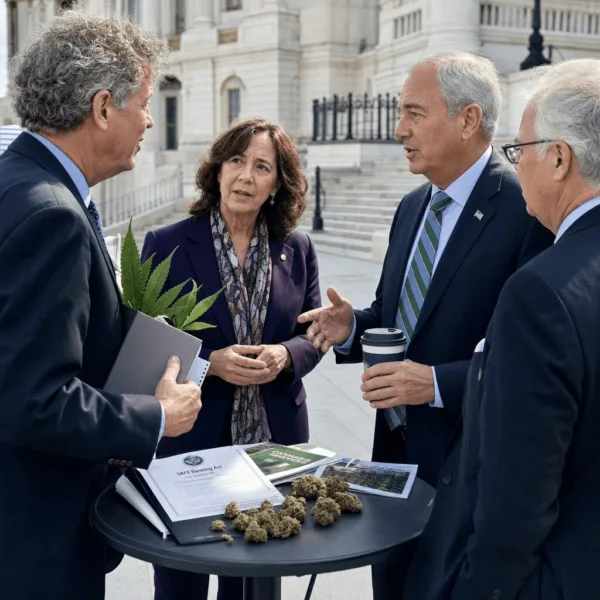



Legalizing THC Solution: The Debate-Changer You Need to Know
It’s no secret—the legalizing THC solution is dominating headlines and dinner table talk alike. With the cannabis market hitting historic highs, and more states and countries rethinking their stance, the push for widespread legalization is gathering momentum. Right now, consumers are increasingly demanding clarity and fairness in regulations. As new legislative actions are debated and public support climbs, it’s clear: this isn’t just another counterculture discussion. The legalizing THC solution is a serious movement with real stakes for business, policy, and everyday life. Let’s break down why this is the pivotal moment you’ve heard about, what influences are shaping it, and how experts say it will impact the future of cannabis everywhere.
The Landscape Behind Legalizing THC: Why Context Matters
Understanding the legalizing THC solution means getting real about the complexities of cannabis policy. Across the United States, regulations on THC, the key psychoactive compound in cannabis, vary widely. According to NORML, nearly half of U.S. states have already legalized recreational or medical marijuana, but federal prohibition still creates patchwork rules that confuse users, businesses, and law enforcement. Globally, Canada and Uruguay are ahead with fully legalized markets, while countries like Germany and Thailand have moved toward regulated medical access (Leafly Global Update). Social factors play an equally big role: growing mainstream acceptance, especially after years of advocacy and recent high-profile social justice campaigns, has softened public fears about legalization’s risks. At the same time, regulators keep tweaking laws as data emerges on health, crime, and economic impact (Brookings Institution). Combine that with the size of the legal cannabis market—expected to surpass $40 billion in U.S. sales this year according to Cannabis Business Times, and it’s easy to see how shifting dispensary costs affect shoppers nationwide, especially as Massachusetts dispensary prices fall and shoppers respond. That’s why the drive for a national legalizing THC solution is at a fever pitch.
New Developments: The Push and Pull of Legalizing THC Solution
Let’s talk facts and fresh events. The push for the legalizing THC solution has hit a new stride, thanks to mounting state-level successes and direct challenges to federal law. In North Carolina, a recent opinion letter published by Mountain Xpress argued that legalizing THC is the smartest way to curb black market sales, boost tax revenue, and keep communities safer. Industry insiders have pointed out that while bordering states embrace different approaches to cultivating, companies need to understand modern cannabis grow limits regulation, which is critical for business success (see what every business must know). Entrepreneurs and patients in less-progressive regions still feel left behind, fueling new calls for regulatory reform.
Legal developments aren’t just local. The Marijuana Policy Project tracks more than a dozen active legislative efforts this year, and states like Delaware and Minnesota are making headlines for introducing comprehensive THC reform bills. Meanwhile, federal proposals like the MORE Act are under fierce debate in Congress, raising hopes for rescheduling THC and ending the era of criminalization. At each step, credible news outlets, notably Forbes, are highlighting both opportunities and the challenges ahead as public opinion increasingly favors legalization.
Expert Take: Why the Legalizing THC Solution Is Crucial
Industry experts agree, the legalizing THC solution is the lever that could tip us into a new cannabis era. As Marijuana Moment reports, leading policy researchers point out that a realistic national legalization strategy could reap huge economic benefits. According to Dr. Amanda Reiman, a cannabis policy and social justice expert, “Legalizing THC isn’t just about giving grownups permission to light up. It fundamentally changes how we regulate, educate, and benefit from cannabis as a society.” (Leafly, 2023).
Recent research published by Drug Policy Alliance shows that effective THC legalization can reduce black market activity and improve consumer safety. Plus, the stigma surrounding cannabis is steadily eroding, as highlighted by Pew Research Center, which notes over 88% of Americans now support at least some form of legal use. Industry moves like major dispensary acquisitions signal momentum—take for example, recent power moves in Pennsylvania’s cannabis market. That makes the legalizing THC solution a mainstream conversation, not just a niche cause.
Looking Ahead: The Future of the Legalizing THC Solution
The future feels bright for advocates of the legalizing THC solution. As regulatory momentum grows, more policymakers are embracing science-backed, balanced frameworks—opening the door to social equity, safer consumer access, and thriving businesses. According to Benzinga, the cannabis industry shows no signs of slowing, projecting ongoing double-digit growth as barriers fall. The conversation is quickly moving from ‘should we legalize’ to ‘how do we do it right?’ That’s a win for everyone hoping for a future where cannabis is treated with the respect, responsibility, and opportunity it deserves. The legalizing THC solution isn’t just a policy fix—it’s the next big leap for a changing society.
Originally reported by: mountainx.com


1 Comment
Pingback: Marijuana Mental Health Risks: What Trump’s Actions Overlook