





Massachusetts cannabis price drop: What retailers won’t tell you
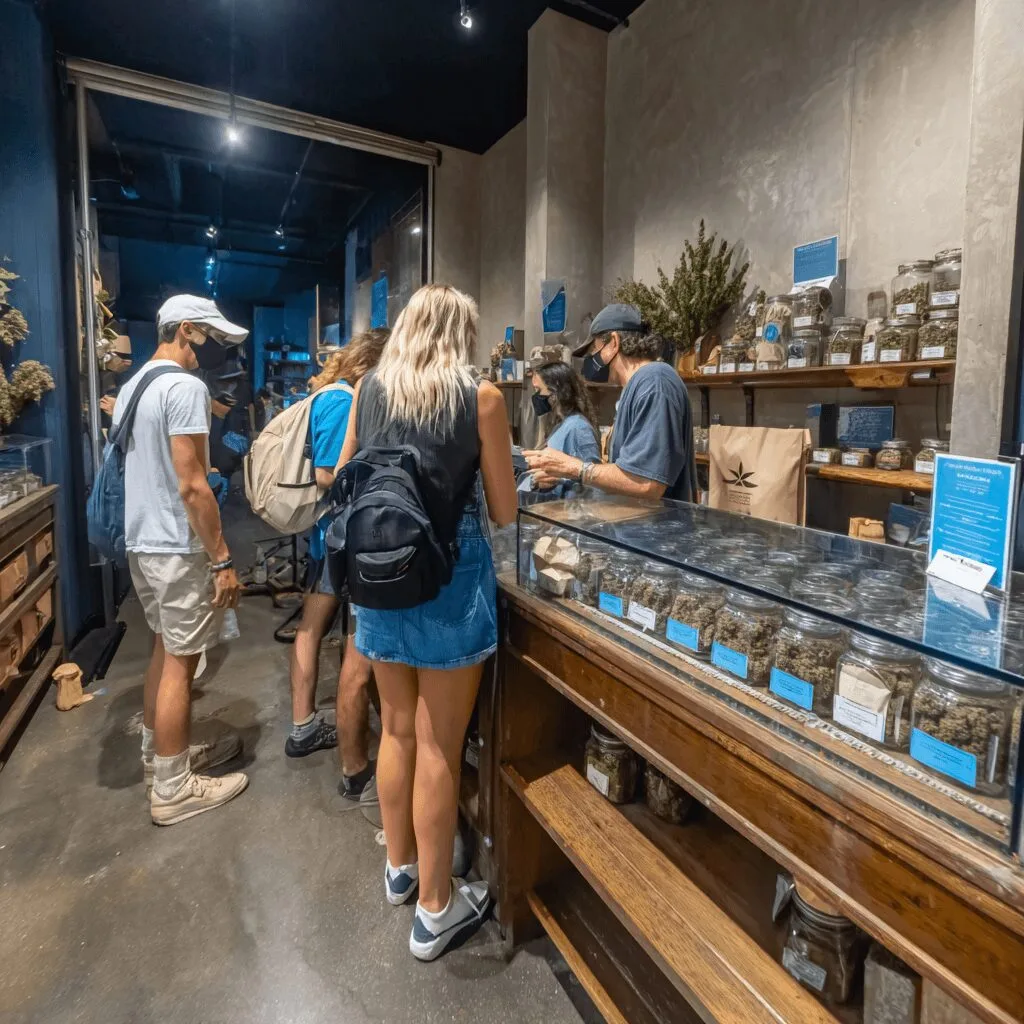
If you’ve shopped at a Massachusetts dispensary lately, you can’t help but notice something almost as delightful as a perfectly rolled joint: the Massachusetts cannabis price drop. This sharp drop in retail cannabis prices is shaking up the market and generating serious buzz—no pun intended. From budget-conscious buyers to seasoned industry insiders, everyone wants to know what’s driving dispensaries to drop prices, why suppliers are anxious, and how retailers are quietly (and sometimes not-so-quietly) adjusting to these record-low costs. Let’s unpack what’s happening, why it matters, and what every cannabis enthusiast needs to know right now.
Regulatory, Legal, and Market Forces Behind the Massachusetts Cannabis Price Drop
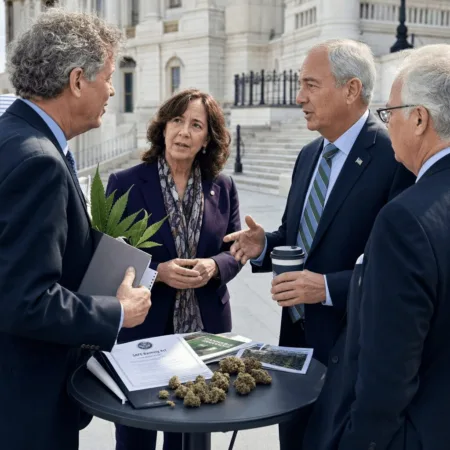
To understand the Massachusetts cannabis price drop, you have to step back and check the roots, both literally and figuratively. Massachusetts legalized adult-use cannabis back in 2016, opening the door to a tightly regulated but rapidly expanding market. Since then, the state’s Cannabis Control Commission has played referee, ensuring compliance and consumer safety. But as more growers and dispensaries got licensed, supply ballooned, outpacing demand. According to research from MJBizDaily, Massachusetts now has over 300 retailers and nearly 200 cultivation sites, making competition fierce. Social acceptance is also on the rise, with cannabis culture mainstreamed in Boston and across the state, drawing in new customers but also creating a crowded playing field. Regulatory updates, such as new grow limits and restrictions on vertical integration, were designed to keep opportunities open for small businesses, echoing key regulatory strategies other markets are using to balance growth and oversight. These market dynamics, as Leafly reports, force growers, processors, and dispensaries to rethink their game if they want to thrive during the Massachusetts cannabis price drop.
Record-Breaking Price Drops: The Key Developments Shaping Today’s Dispensary Shelves
Let’s get down to brass tacks. Over the past year, retail prices for cannabis flower in Massachusetts hit historic lows. According to a January 2026 MassLive report, the average cost per gram dropped below $7, a price point not seen since legalization. Big-name retailers like Theory Wellness and INSA have sharply reduced prices both online and in-store, starting what many term a race to the bottom. Insiders point to an oversupplied market, with harvest yields exceeding consumption rates and putting retailers under economic pressure as reported by 420Intel. Meanwhile, small operators are pinched between falling prices and persistent costs, some considering mergers or exits just to stay afloat. Consumer behavior is also shifting, with bargain hunters now checking Leafly and Weedmaps for flash deals and traveling further for the best prices. Recent reports on evolving THC regulations, such as the updates affecting THC-infused products in other states, illustrate how market intervention can influence product selection for consumers during the Massachusetts cannabis price drop. The Cannabis Control Commission is weighing options like buffer zone reviews and cultivation limit adjustments to restore stability, but for now, shoppers are enjoying an undeniable buyer’s market.
Expert Analysis: Winners, Losers, and the Real Story Behind the Massachusetts Cannabis Price Drop
The Massachusetts cannabis price drop is a double-edged sword. While patients and recreational users are scoring the best deals in years, seasoned industry insiders warn this trend isn’t sustainable. According to Leafly business columnist Bruce Barcott, “This is classic supply gluttony. Markets get flooded, prices sink, and eventually only the most resilient or well-capitalized operators survive.” Smaller legacy growers struggle to keep pace with larger, vertically integrated operators who can absorb losses longer. Yet consumers enjoy greater product diversity and more affordable prices at this stage. Industry voices, including MJBizDaily, point out that competitive shakeouts can drive innovation, leading to craft strains and more sustainable production. This uneasy period resembles trends seen in other markets, like the complex legal challenges and adjustments operators face in different states. As the Massachusetts cannabis price drop persists, every business is pushed to adapt and innovate to stay relevant in a climate where competition grows fiercer with each passing season.
Looking Forward: How Low Can Prices Go and Does Cannabis Win in the End?
So what’s next for the Massachusetts cannabis price drop? The state’s industry is growing up fast, with more educated consumers and a regulatory body starting to catch up with rapid market changes. According to 420Intel, stabilizing supply and supporting small businesses may help create a healthier long-term industry. Social stigma is fading, more municipalities are opting in, and creative entrepreneurs are planning for new waves of products and brands. Massachusetts dispensaries will keep riding out the bumps as the firmer ground of sustainable pricing starts to emerge. With resilient entrepreneurs, loyal consumers, and more responsive regulations, the Massachusetts cannabis price drop could just be a growing pain—a sign that cannabis is becoming a permanent part of the Bay State’s culture and economy. If you’re a fan, it’s never been a better time to be in Massachusetts and on the lookout for deals.
Originally reported by: masslive.com


2 Comments
Pingback: New Jersey cannabis excise fee: What You Need to Know for 2026
Pingback: New Jersey cannabis excise fee: What the 2026 decision means