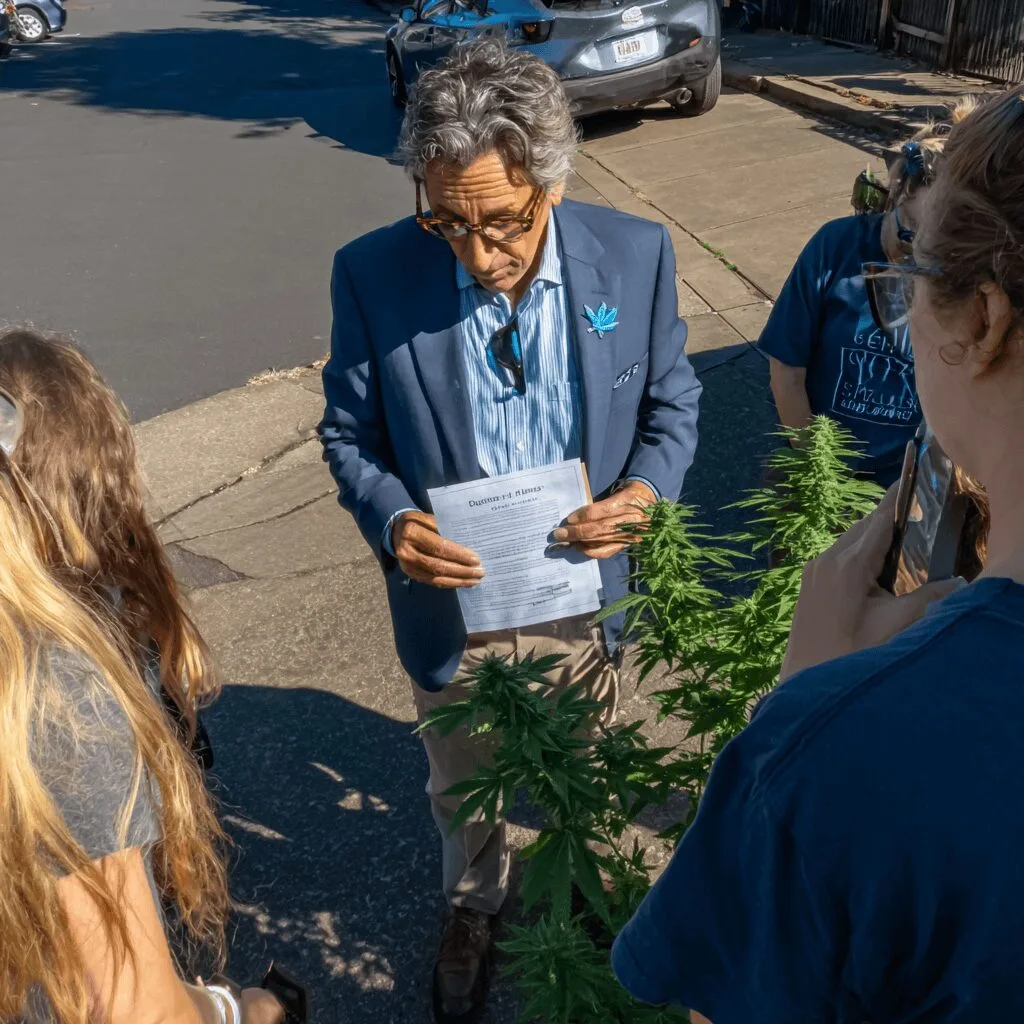
Trump Attorney General marijuana lawsuit rocks cannabis reform
Right now, the cannabis world is buzzing—and not just because of legal flower in Illinois or California. The Trump Attorney General marijuana lawsuit has dropped like a hot dab onto ongoing reform conversations. With massive federal rescheduling debates filling headlines, this legal skirmish could seriously shake up the industry’s prospects, from Wall Street to small-town dispensaries. Whether you’re cheering for more freedom or bracing for regulatory whiplash, this case puts cannabis reform under a bright, very public spotlight. Let’s break down the stakes, the players, and what it all means for everyday folks (and stoners) across America.
Background & Regulatory Context: Why the Trump Attorney General Marijuana Lawsuit Matters
To really understand why the Trump Attorney General marijuana lawsuit is grabbing so much attention, you’ve got to look at the bigger legal and political landscape. For decades, cannabis has been listed as a Schedule I substance under the Controlled Substances Act, a spot it shares with heroin and LSD. This has locked out medical research, prohibited interstate commerce, and made life tricky for legal businesses, as described by the Brookings Institution. In recent years, efforts to reschedule or even deschedule cannabis have picked up steam. Multiple states—think New York, Oregon, and Michigan—have sidestepped federal rules, launching robust adult-use marketplaces anyway. These diverse state markets are not unlike the growth seen after recreational marijuana was legalized in Chicago. Meanwhile, the Biden Administration in 2022 ordered a review of cannabis scheduling, ramping up hopes for policy change, according to a Forbes report. Enter lawsuits, like the current one involving Trump’s former Attorney General, aimed at stalling or shaping that federal reform. This isn’t just a court fight, it’s a tug-of-war over the very future of American cannabis.
Key Developments: Breaking Down the Trump Attorney General Marijuana Lawsuit
The current drama centers around a lawsuit bankrolled by an anti-marijuana group, which has hired Trump’s former Attorney General, Bill Barr, as its legal quarterback. According to Marijuana Moment, the suit aims to block the Biden Administration’s move to reschedule cannabis from Schedule I to Schedule III. The case was filed just weeks after President Biden’s team announced guidance for federal agencies to reclassify the plant. Legal challenges like these are not unusual, as states continue to enact new rules, similar to the recent updates to Tennessee’s THC laws. This isn’t just legal posturing, the outcome could slow or derail momentum built by regulators and industry insiders who’ve long awaited friendlier federal policy. Major players like the Smart Approaches to Marijuana (SAM) organization are at the forefront, with the suit targeting actions from both the Department of Justice and the U.S. Drug Enforcement Administration (DEA). Court documents, filed as recently as May 2024, lay out claims that the DEA’s rescheduling process was ‘rushed’ and ‘politically influenced.’ The suit, with Barr at the helm, seeks an injunction to halt any implementation of the new rule until further legal review. All of this happens as cannabis stocks surge and mainstream investors look on, anxiously awaiting clarity, as reported by Bloomberg.
Expert Cannabis Industry Analysis & Insights
The Trump Attorney General marijuana lawsuit is creating real uncertainty, but let’s not lose perspective. On-the-ground experts agree, this is just one move in the long chess game that is cannabis reform. As Steve Hawkins, former executive director of the Marijuana Policy Project, says, “Legalization has faced setbacks before, but in every case, public support and the weight of science have pushed things forward.” From an industry angle, even attempts to delay progress aren’t stopping state markets from growing like, well, weed. As legal markets adapt to regulatory shifts, some states—like Massachusetts—are experiencing their own changes, as highlighted in the latest Massachusetts cannabis law revisions. According to New Frontier Data, legal U.S. cannabis sales are projected to crack $41.5 billion by 2025. That tidal wave of demand and normalization isn’t easy to halt. Additionally, legal experts like Harris Bricken’s Canna Law Blog note that, while lawsuits can gum up the works, they rarely reverse sturdy, bipartisan policy trends driven by economic and social benefits.
What’s Next? Future Outlook for Cannabis and the Trump Attorney General Marijuana Lawsuit
Sure, the Trump Attorney General marijuana lawsuit could drag out the timeline for federal rescheduling—but the writing’s on the wall. Momentum for change, once set in motion, is hard to stop. Increasing support from voters, veteran politicians, and big business means cannabis reform is inching ever closer to the mainstream. Even as federal policy hangs in the balance, state-level legalization continues to leap forward. According to a recent Pew Research Center study, more than two-thirds of Americans now support some form of legalization, marking a historic cultural shift.
As courtrooms buzz and advocates rally, one thing is clear: the cannabis industry has no shortage of resilience. Setbacks spark organizing. Legal threats inspire innovation. Whether you’re an old-school grower or a new-age investor, the future still looks bright—and just a little more green every day.
Originally reported by: marijuanamoment.net