


Recreational marijuana legalization Illinois: What changed in Chicago?
Few things have transformed Chicago’s vibe like recreational marijuana legalization Illinois. This pivotal shift put legal cannabis on the city map as a mainstream, regulated reality. As new dispensaries open doors, residents and visitors feel the impact on community, economy, and daily life. With tax revenues soaring and legal access growing, understanding what’s changed in the Windy City is more crucial than ever. Read on for a candid breakdown of the history, front-line facts, and future trends shaping cannabis culture in Chicago post-legalization.
How We Got Here: Background & The Roots of Legalization
The story behind recreational marijuana legalization Illinois begins with a mix of tough activism, evolving laws, and social attitudes shifting over decades. Illinois became the 11th state to go fully legal for adults on January 1, 2020, following the Cannabis Regulation and Tax Act signed by Governor JB Pritzker in June 2019 (Illinois Government). This act opened dispensaries for recreational sales, capping years of pilot programs and mounting evidence from states like Colorado showing regulated sales were safer than prohibition. For communities navigating the new landscape of cannabis regulation, lessons can be drawn from how other towns, such as those featured in stories of resilience and adaptation in California, have faced similar green waves (more details).
Social equity was a key debate, aiming to right historic wrongs from the War on Drugs, which disproportionately impacted Black and Latino communities. Chicago, the Midwest’s cannabis epicenter, reflects both progress and challenges: a booming dispensary sector, clearer rules for legal possession, but still ongoing calls for broader expungement and equity support. Taxation was a selling point, with revenues earmarked for state services, community reinvestment, and mental health programs according to local government statements (City of Chicago).
Legal sources and NORML provide ongoing policy updates, highlighting how Chicago’s journey is both a model and a work-in-progress for recreational marijuana legalization Illinois.
Key Developments & Issues Since Legalization
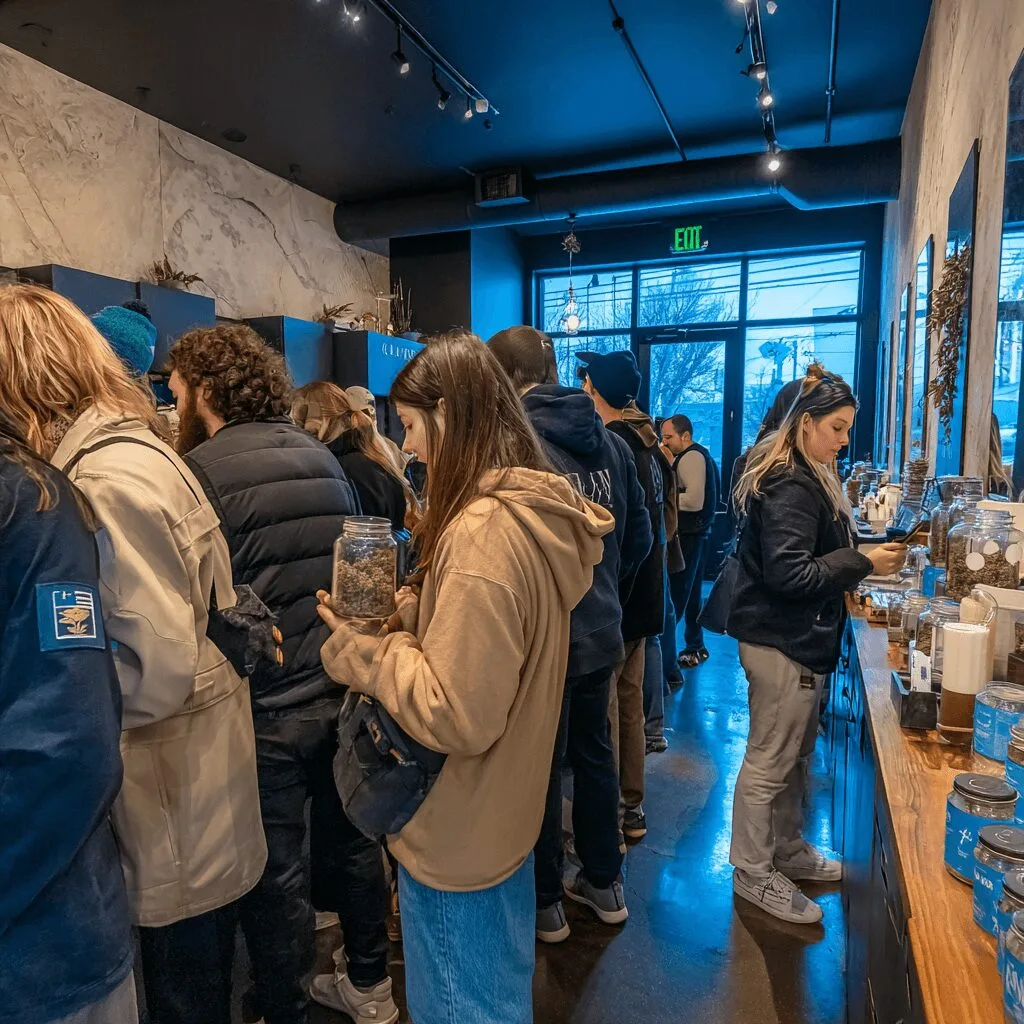
When Illinois kicked off adult-use cannabis sales on January 1, 2020, Chicago dispensaries saw lines around the block. According to the Chicago Tribune, the city’s first day of legalization raked in nearly $3.2 million statewide. By end of the first year, annual revenue passed $669 million, with Chicago often leading all cities in sales. Popular dispensary operators like Cresco Labs and PharmaCann set up flagship shops, while smaller equity licensees struggled through regulatory and funding delays. States like Ohio are also seeing major activity and reform, where grassroots petitions continue to have an impact (recent developments).
Possession limits were set at 30 grams of flower for adults, 5 grams of concentrate, and up to 500mg of THC in edibles—a framework unique to Illinois. Local governments, including Chicago City Hall, used zoning laws to limit where shops could open. Yet, as reported by Leafly, the market kept expanding, with social equity applicants finally breaking ground in 2023 after initial setbacks.
Persistent issues include equity licensing hurdles, complaints about high retail pricing, and slow openings for social equity applicants. Regulators responded with new rounds of permits and technical assistance, but critics point to a significant lag compared to early operator rollouts. The city’s public consumption rules remain tight, requiring most use to stay private—though proposals for cannabis lounges and events are gaining traction per recent news coverage. In a broader context, tax policy changes similar to those shaping Michigan’s wholesale market can have considerable effects for both business owners and consumers (impacts explained).
Another hot topic is criminal record expungements. After legalization, Illinois courts began clearing non-violent cannabis convictions, helping over 700,000 records by late 2023, based on data from the Illinois Courts. But many activists say more outreach and resources are needed for those still left behind.
Expert Analysis, Insider Insights & Balanced Counterpoints
The impact of recreational marijuana legalization Illinois reaches far beyond a few dispensary openings. According to leading expert Shaleen Title of Parabola Center: “Chicago’s approach to cannabis legalization shows what works and what still needs fixing, proactive social equity and expungement are essential, but execution is everything.” Her view is echoed by the Marijuana Business Daily analysis, which notes the state’s record-breaking tax haul but cautions that price and access gaps persist, especially for communities impacted by prohibition.
Industry insiders point out that many first-time cannabis entrepreneurs in Chicago face steep application fees and strict location rules. “The intent of the law, especially for social equity, is real, but bureaucracy can slow things down,” says local budtender Carlos M., who’s worked since day one. “Still, every new license means another shot at building generational wealth where it was denied before.”
Research from Brookings Institution shows Illinois setting the tone for urban legalization rollouts, balancing regulatory caution with burgeoning economic benefits. Chicago’s retail scene reflects the evolution, with more locations, wider products, and greater normalization. The economic and legal climate is seeing similarly important changes nationwide, such as the evolving IRS tax provisions for cannabis businesses (further reading here). Yet, legacy operators and social equity participants still push for fairer rules, lower tax rates, and more widespread public-use options.
Bright Future: Chicago’s Cannabis Scene and What’s Next
The future of recreational marijuana legalization Illinois looks strong in Chicago. Early bumps in the road—long lines, equity delays, high taxes—aren’t holding back progress. Every new dispensary in a city neighborhood is more than a business; it’s a sign of the normalizing power of legal cannabis. State lawmakers and activists continue to collaborate to make the market fairer, safer, and more broadly accessible.
Recent reports from sources like Governing Magazine suggest more policy cleanup is underway, with focus areas including expungement and public safety. Consumer demand remains high, community events are gaining popularity, and awareness about safe, responsible consumption is on the rise. Chicago is proving that legalization isn’t just a market trend—it’s a force for social change, healing, and possibility. With continued advocacy and smart regulation, recreational marijuana legalization Illinois is primed to set a standard for big-city cannabis done right.
Originally reported by: chicagotribune.com