



Trump medical marijuana policy: What’s changing now?
The Trump medical marijuana policy is back in headlines, stirring up California’s luxury cannabis scene and catching the eye of business moguls across the Golden State. With shifting regulations and prominent billionaires considering big moves, cannabis insiders, patients, and industry pros all want to know: what’s new, who’s affected, and where is this all headed? In this article, we break down the current buzz on Trump’s medical marijuana policy changes, why they matter now, and what it could mean for the future of the plant—and the people who rely on it.
Understanding the Landscape: Regulatory and Social Backdrop
The landscape around the Trump medical marijuana policy has always been a wild ride. Federal laws still classify cannabis as a Schedule I substance (DEA Drug Scheduling), even as states like California embrace expansive medical, and recreational, use. Trump’s stance previously offered some hope to patients and entrepreneurs, promising not to trample states’ medical programs (CNBC). Yet, real uncertainty has hovered over banking, interstate logistics, and business investment. Recent years have seen multi-billion-dollar investments, growing mainstream acceptance, but also periodic policy whiplash and confusion at airports, border checks, and banks. According to MJBizDaily, the legal U.S. cannabis market exceeded $25 billion in recent years, but remains sensitive to federal posturing and enforcement priorities. In many high-income neighborhoods such as Silicon Valley or tech-driven LA, the identity of cannabis is also changing, attracting both old-school advocates and a flashy new class of innovators. But let’s be real, policy changes from Washington, especially when tied to a sitting or former president, always spark both hope and anxiety throughout the supply chain. In some regions, like Arroyo Grande, California, new local regulations are also playing a crucial part in shaping how medical cannabis is experienced and regulated, further complicating the larger dialogue around national policy shifts.
Recent Moves: Key Developments & Core Issues
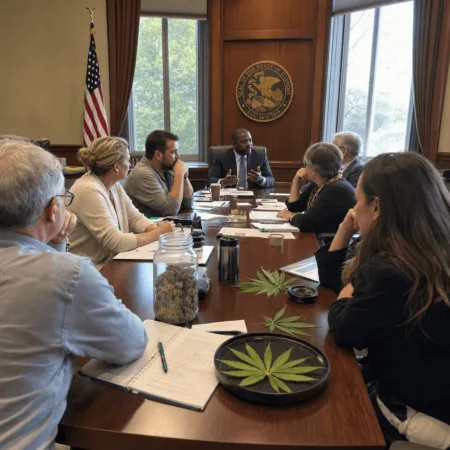
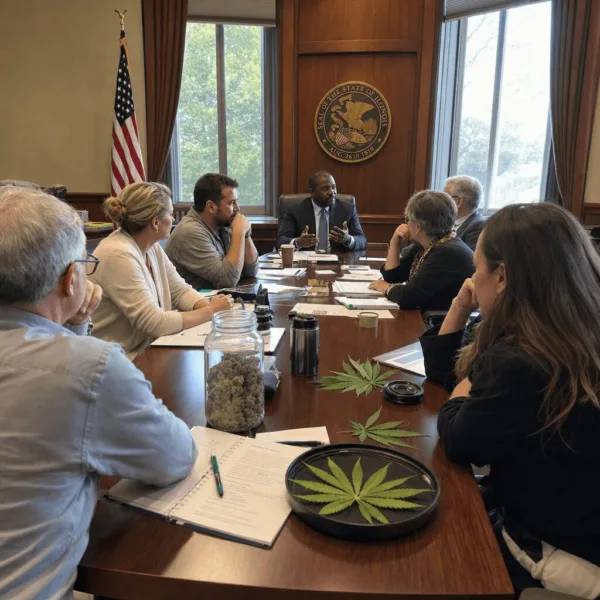
The latest moves in the Trump medical marijuana policy story revolve around recent deregulatory gestures and the reactions of California’s ultra-wealthy. As outlined in the most recent reporting from the New York Post, the Trump camp signaled a willingness to ease federal interference in states’ medical marijuana systems. Word of policy relaxation cracked open optimistic discussions among California power players—tech founders, entertainment moguls, and investment wizards—many of whom have previously spearheaded discreet cannabis investments or supported pro-cannabis groups. At the same time, these developments reportedly prompted certain billionaires to openly discuss relocating or shifting investment strategies in the state, partly in response to uncertainty about long-term stability and tax policies as much as cannabis compliance. One noteworthy shift is that the number of medical marijuana patients is trending downward in some eastern states, which can be seen in recent reports from New Jersey. The article highlights the scene at upscale gatherings, with casual conversations circling around vapes and buds, iPhones streaming the latest policy headlines, and a vibe of relaxed skepticism. While explicit details about which rules would be rolled back remain unclear, the tone from the Trump team points to facilitating easier access for patients and potentially loosening federal oversight, at least for compliant state markets.
Expert Cannabis Industry Insights
So, what does this all mean for the industry and medical patients on the ground? From an advocate’s POV, there’s reason to celebrate any reduction in federal friction. Medical professionals and patients have long cited the importance of stable, unfettered access (NORML). As Leafly analyst David Downs puts it, “Every sign of federal flexibility on medical use, whether big or small, is a giant step for patient dignity and common sense.” No doubt, the Trump medical marijuana policy softening gives legal operators some breathing room if it’s followed through with clarity and consistency. Still, market analysts warn that piecemeal changes, without broader reform on banking or interstate transport, could leave some operators in regulatory limbo. This echoes debates happening around the country, such as shifting public opinions in places like Wyoming where statewide attitudes are evolving rapidly. Yet for well-funded California players, even incremental policy relaxation can mean bigger bets on research, custom genetics, and new therapies. Those with boots in both the legal and gray markets are keenly aware that federal policy signal changes can jolt valuations, investment appetites, and even who’s invited to the next private cannabis tasting in Malibu. Overall, cannabis is a political football, but real lives and livelihoods hang in the balance.
Looking Ahead: What’s Next for California and National Medical Marijuana?
So, is this the dawn of a new medical cannabis era—or just another policy head-fake? Whatever your perspective on the Trump medical marijuana policy, the drumbeat for clarity and access keeps getting louder. With the Biden administration also reviewing marijuana’s federal status (White House Fact Sheet), momentum continues to build for patient protections and clearer rules for businesses. The California market—already a bellwether—will almost certainly shape the future, as famous entrepreneurs and mainstream investors challenge old-school stigma. As the cannabis community has always known, change comes in waves, and the tide is rising for medical access, innovation, and social acceptance. Stay tuned: as politics and dollars keep swirling, the people who benefit from medical cannabis are finally getting louder justice, not just whispered promises. According to Forbes, with pro-cannabis sentiment hitting historic highs, reforms are likely to stick, bringing real improvement to patients and entrepreneurs alike.
Originally reported by: nypost.com