


Illegal Cannabis Dispensary Missouri: Shocking Seizure Exposed
If you’re even remotely tuned into the Midwest cannabis scene, you’ve heard the latest: another illegal cannabis dispensary Missouri story has exploded across newsfeeds, putting the spotlight back on the state’s evolving weed regulations. Not only does this highlight how swiftly the underground market adapts, it also showcases the persistent friction between prohibition hangovers and the growing push for safe, legal access. This seizure, which shook a Missouri community, isn’t just headline fodder—it’s ground-level proof that state oversight and consumer demand are running on two very different frequencies right now. Let’s break down the details, the legal landscape, and what it all means for Missouri—and for anyone passionate about the future of cannabis.
What’s Really Going On? Background & Context
To understand why another illegal cannabis dispensary Missouri case matters so much, let’s zoom out. Missouri launched its medical cannabis program in 2018, a major step after decades of prohibition (see Missouri Marijuana Card: Timeline). Medical dispensaries now dot the map, but recreational cannabis remains illegal at the state level, even though several other Midwestern states have opened things up—an example is ongoing debate in Ohio, where new cannabis regulations have generated both hope and frustration for advocates and business owners (major regulatory challenges in Ohio). This gap leaves a ton of consumers stranded between high medical access barriers, like doctor visits and registration fees, and the everyday desire to enjoy or self-medicate. Throw in the slow rollout of licensed dispensaries, and you create a breeding ground for “gray market” activity: backyard operations, pop-up shops, and yes, houses doubling as store fronts. Missouri lawmakers and enforcement agencies are under pressure to define, regulate, and, sometimes, crack down on these underground players, even as public support for legalization climbs every year (according to a Gallup national poll showing historic highs in public approval for legal weed). It’s a regulatory seesaw, and the tension in Missouri is reflecting that national discourse loud and clear.
Key Developments: The Raid That’s Raising Eyebrows
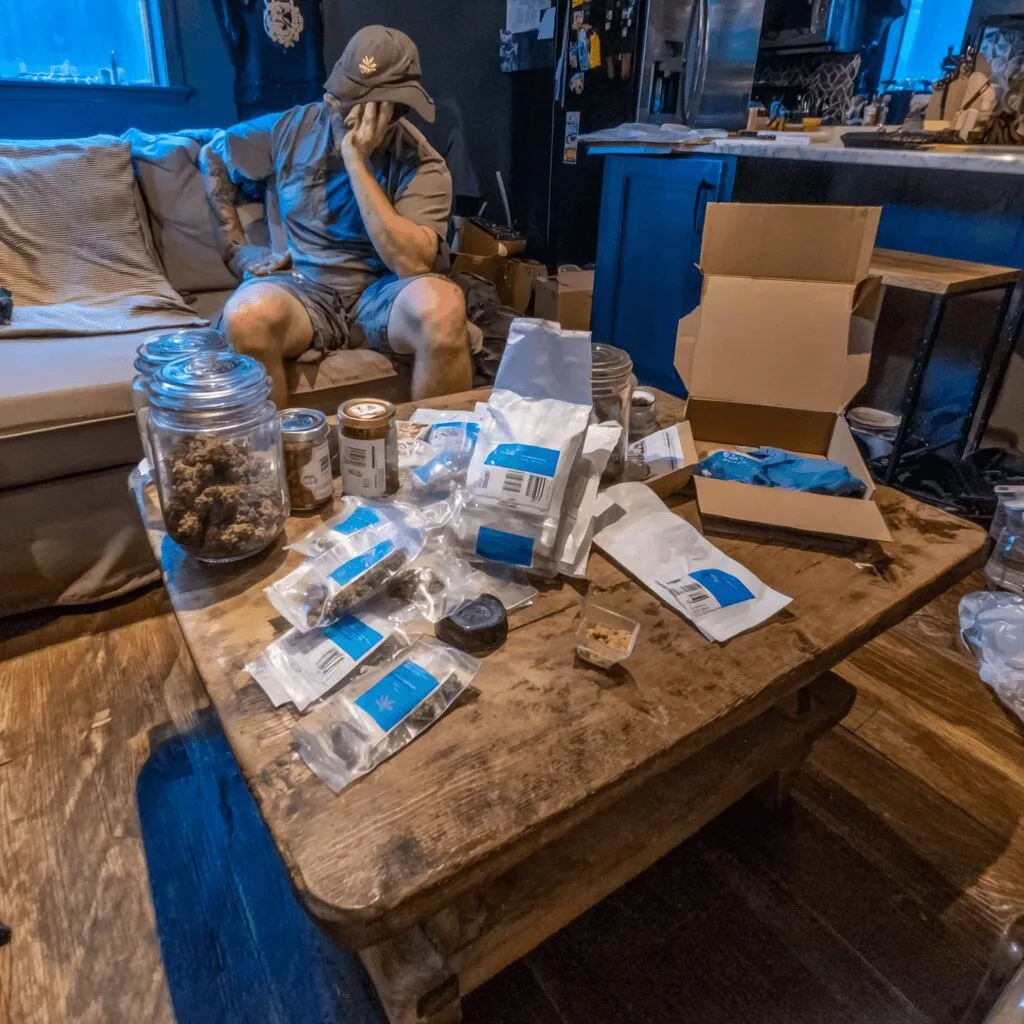
Let’s get into the nuts and bolts of the illegal cannabis dispensary Missouri bust that’s making headlines. According to KCTV5 News, a Missouri resident was charged at the close of 2025 for allegedly running an illegal dispensary straight out of his home. The authorities seized more than 1,000 THC-infused products—everything from classic cannabis buds to edibles, vape cartridges, and oils. Police bagged up evidence during a raid, uncovering a mix of plain cardboard boxes, glass jars, and casually packaged marijuana products scattered around the living room. The suspect, whose name appeared in court records but has not been widely publicized, was taken in for questioning as police sifted through the stash. The raid was part of a broader sting operation targeting unlicensed sellers suspected of bringing recreational-grade cannabis to consumers without going through the medical dispensary process. State law enforcement emphasized that the products in the illegal cannabis dispensary Missouri operation could undermine the regulated market, with officers warning about potential risks, including product safety and tax evasion. In recent news, dispensaries in other states—such as those in Michigan confronting shifting tax codes—have also faced increased scrutiny, which could signal wider industry changes (how Michigan dispensaries adapt to new marijuana tax laws). Meanwhile, the community reaction ranged from relief among those worried about public health, to frustration from folks who just want easier and safer access without legal hurdles.
Expert Insights: Why This Is More Than a Simple Bust
The illegal cannabis dispensary Missouri seizure is a snapshot of a much bigger conversation, one with echoes across every state in weed limbo. Industry experts like John Hudak, who covers cannabis policy for the Brookings Institution, often note that “prohibition isn’t truly ending so long as access remains out of step with demand.” Local cannabis advocates agree: shutting down underground dispensaries doesn’t erase consumer demand; it just pushes the trade further out of view. In fact, data from Leafly’s Cannabis Commerce Gap Report shows that states with limited legal access experience robust underground markets because people simply won’t wait for the legislature to catch up to their needs. As longtime chart-topper in Missouri’s medical advocacy community, Amanda Oakley told a recent panel, “We need safe, transparent options for patients and adult-use customers. Demonizing everyone who’s operating outside a broken system isn’t the answer—we need reform, not just enforcement.” Crackdowns might make good headlines, but they don’t resolve the underlying issue: Missouri’s laws haven’t caught up to real-world cannabis culture, as seen in other states struggling with tax challenges that affect both legal and illegal market dynamics, such as Los Angeles businesses navigating cannabis tax issues (tax pressures on California cannabis dispensaries).
Looking Ahead: Hope, Reform, and Better Days for Missouri
It’s tempting to see another illegal cannabis dispensary Missouri bust as a setback. But let’s be real: it’s just more evidence that reform can’t come fast enough. Missouri, like much of the Midwest, is perched at the tipping point between old-school prohibition and a new era of acceptance (NORML has tracked dozens of ongoing legalization efforts nationwide). Lawmakers and regulators must listen to consumers—whose interest in safe, regulated cannabis is only growing. Activists, industry insiders, and everyday Missourians are pushing for smarter rules, better access, and options that don’t involve secretive living rooms and last-minute raids. Every headline, every bust, just accelerates the call for change. As public sentiment swings toward full legalization and tax-supported, transparent industry growth, Missouri’s cannabis future looks promising. It’s just a matter of time before stories like this are relics—reminders of how quickly social norms (and state laws) can evolve when the people lead the way.
Originally reported by: kctv5.com