Iowa State coach controversy: The Role Model Debate Heats Up
This week, the Iowa State coach controversy has become the center of heated debate both on campus and in national headlines. Why? Because the intersection of cannabis, sports, and what it means to be a ‘role model’ has never felt more relevant. With shifting cannabis policies across the country—and athletes and coaches put under unprecedented personal scrutiny—the discussion in Ames isn’t just local. This is a conversation echoing through locker rooms and living rooms across America. In this article, we’ll break down the facts, pick apart the arguments, and offer real talk on why cannabis policy, public perception, and sports culture keep colliding. Grab your coffee, settle in, and let’s unpack the Iowa State coach controversy together.
Understanding the Background: Cannabis Policy, Sports, and Social Pressures
The Iowa State coach controversy doesn’t exist in a vacuum, it’s plugged right into the pulse of evolving U.S. cannabis policy and growing societal acceptance. Over the last decade, states like Colorado, Illinois, and California have all rewritten the cannabis playbook, setting the tone for nationwide shifts (NORML law tracker). But in Iowa, prohibition still rules the day, with only limited medical allowances and continued criminalization, according to reports from The Des Moines Register. This legal contrast puts athletes, coaches, and especially high-profile figures under double scrutiny: one set of eyes from the law, another from fans demanding they set an impossibly high moral bar. Add to that waves of recent NCAA policy discussions about drug testing and personal conduct, plus the increased media visibility of everything public figures do—and it’s the perfect storm for controversies like we’re seeing at Iowa State. If you look at how other regions have struggled with the same questions over time, you’ll notice echoes of the historic debates over marijuana legalization in places like North Idaho, where the shifting landscape continues to influence public opinion. Recent national discussions, from NBA stars’ off-season choices to NFL suspensions, fuel a climate where what happens in an Iowa living room can wind up as sports headline news.
Breaking Down the Iowa State Coach Controversy: What’s Really Happening?
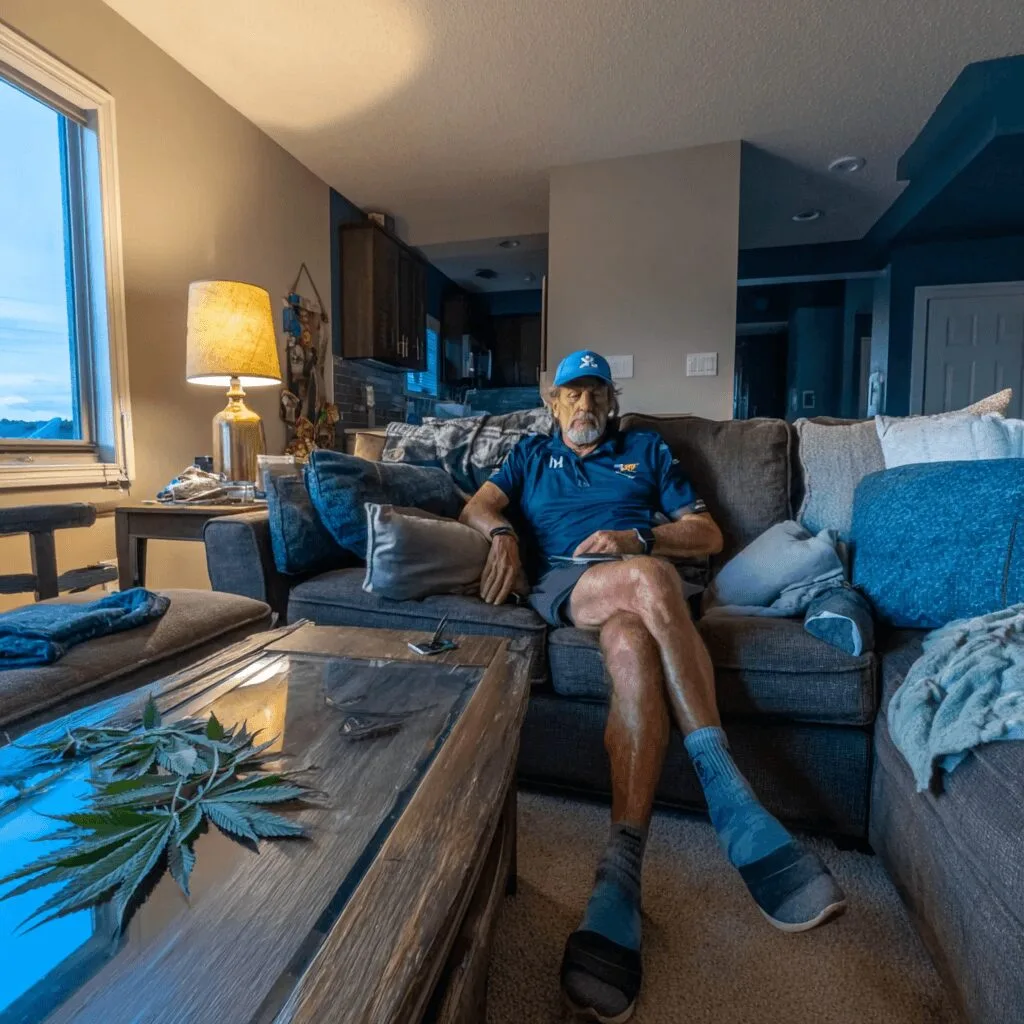
Here’s the play-by-play. The Iowa State coach controversy blew up after local media reported alleged cannabis presence in a private setting tied to a well-known Cyclones coach, as covered by The Des Moines Register. Images circulated online showing casual home scenes: university sports gear, humble memorabilia, and—yes—subtle hints of cannabis paraphernalia. No criminal charges or institutional disciplinary action have appeared as of press time (per law enforcement updates reported by KCCI News). But the real hit came in the court of public opinion, where headlines questioned the coach’s status as a ‘role model’ and set off online debates about the responsibilities of public figures in prohibition states. The university has acknowledged awareness of the situation, stating compliance with campus policy as well as NCAA mandates, referencing internal reviews but citing coach privacy while the investigation is ongoing. The incident has started conversations about how policy changes can impact athletics, much like the ongoing policy shakeups in the hemp and THC sector. The situation has already prompted widespread discussion at board meetings and alumni forums about balancing legal compliance, personal freedom, and evolving social norms.
Expert Analysis: Why This Matters for the Cannabis and Sports Landscape
Every time something like the Iowa State coach controversy goes public, it shines a light on the deep disconnect between cultural trends and outdated law. As Leafly News regularly points out, cannabis acceptance is mainstream—in sports, it’s overdue. The real heart of the issue isn’t just whether someone in a Cyclones jacket had some leafy greens on the table. It’s about whether we keep punishing visibility in a time when even federal lawmakers acknowledge policy needs a reboot (see recent Congressional hearings here).
Dr. Amanda Reiman, a respected industry voice and policy advocate, says, “As long as sports role models are held to inconsistent standards, ones changing everywhere else in society, controversies like what we see at Iowa State will just keep popping up.” (Marijuana Moment interview). Across the country, major leagues are already softening their anti-cannabis policies and recognizing the need for new, nuanced approaches to substance use and athlete health. When considering the business, legal, and cultural trends converging here, one can’t ignore the broader shifts analyzed in coverage of emerging cannabis industry trends for 2026. The Iowa State coach controversy is a perfect real-world test case for the disconnect between evolving norms and old-school rules.
From my time in the trenches, both as a passionate cannabis advocate and a die-hard sports fan, it’s clear: This friction isn’t about the plant, it’s about public perceptions, role model mythology, and our slow grind toward truly rational policy.
What’s Next? Looking Forward from the Iowa State Coach Controversy
If there’s one thing you can count on in the cannabis world: Change is a constant, even in the heartland. The Iowa State coach controversy, while uncomfortable for some, is exactly the kind of high-profile debate that forces progress—on campus, in the legislature, and throughout the NCAA. Already, polls from Pew Research Center show record social support for cannabis normalization, even among parents and educators. As these stories continue to circulate, commonsense policies will catch up, not just in blue states but right here in Iowa as well. Athletes and coaches are humans first—caught up, sometimes unfairly, in the game of outdated expectations. But every headline, every lively debate, chips away at old stigmas. As a community of advocates, educators, athletes, and everyday Iowans, our challenge—and our opportunity—is to build a future where smart cannabis policies and authentic leadership walk hand in hand. And personally? I say it’s high time.
Originally reported by: desmoinesregister.com