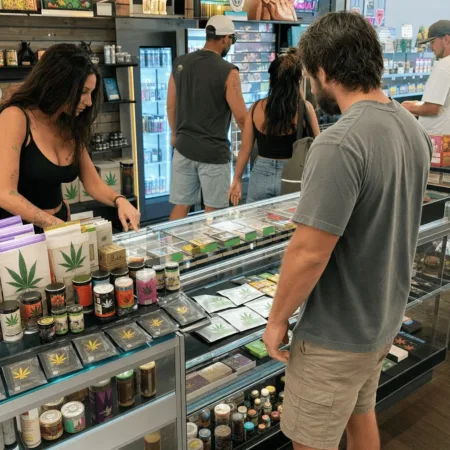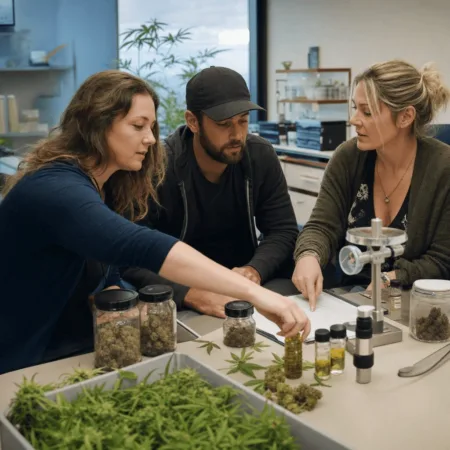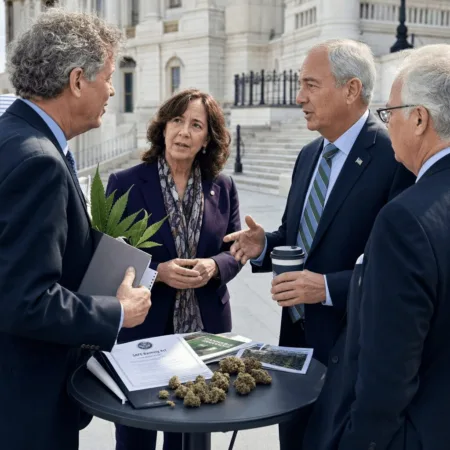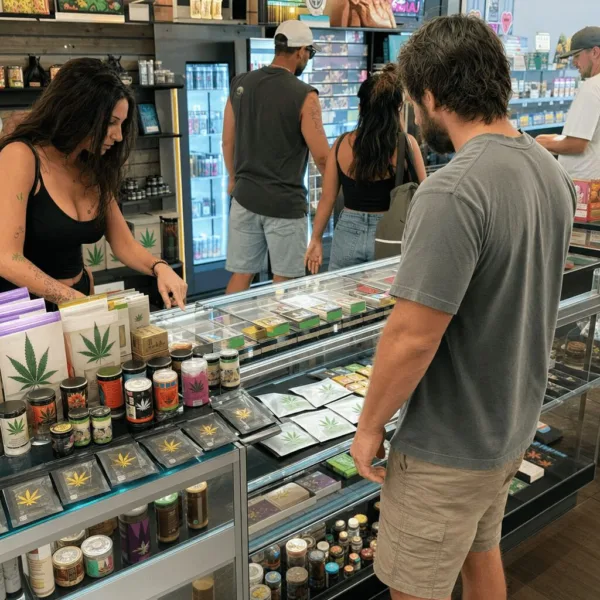


Alright, let’s address the elephant in the hemp field: Pennsylvania hemp industry regulations are at a tricky crossroads—at a time when interest in hemp products, from textiles to CBD, is soaring nationally. If you’re plugged into Pennsylvania’s ag scene, you know farmers are hustling, yet running into old-school roadblocks and new rules that hit harder than a knockout indica. Between shifting state laws, a flood of paperwork, and worries about confusing compliance, this issue is on the front burner for cultivators, processors, and everyone in the cannabis-curious crowd. This deep dive unpacks why the Keystone State’s hemp players are frustrated by uncertain regulations, how it’s affecting real operations, and what has to happen to unlock the full potential of Pennsylvania’s green fields.
How We Got Here: Regulatory Roots of the Pennsylvania Hemp Industry
Pennsylvania hemp industry regulations owe their current complexity to a patchwork of federal and state actions dating back to the 2014 and 2018 Farm Bills, which legalized hemp (U.S. Congress). Theoretically, hemp (cannabis sativa with under 0.3% THC) should be simple to grow, but the blend of lingering stigma, evolving policies, and a gatekeeping permitting process has the state’s farmers feeling boxed in. Pennsylvania’s Department of Agriculture sets the tone locally, but faces pressure from federal Food and Drug Administration and USDA directives, creating a bureaucratic maze. According to Hemp Grower Magazine, the state saw a rapid boom in hemp interest after initial legalization, yet regulatory uncertainty has pumped the brakes considerably since 2019. Those following the evolution of rules recently may notice that major shifts, like the ones discussed in the ongoing framework controversy in Pennsylvania, add another layer of unpredictability to compliance efforts. Even as hemp’s potential as a sustainable cash crop keeps making headlines, concerns about changing compliance rules, patchy enforcement, and fear of federal overreach mean many farmers are hesitant to plant more than they can afford to lose. The recent noise around Pennsylvania hemp industry regulations reflects genuine anxiety; success stories and market expansion are being undercut by paperwork and unpredictability. Last but not least, the broader social context, ongoing normalization of cannabis, evolving views on hemp’s legality, and the growing wellness movement makes regulatory clarity more important than ever.
What’s Going Down: Pennsylvania Hemp Industry Regulations and Real-World Fallout
December’s big news, the Keystone State’s hemp scene is once again at the mercy of shifting Pennsylvania hemp industry regulations. According to a December 31st update from the Pittsburgh Post-Gazette, Pennsylvania hemp farmers and processors are sounding alarms about what they call disruptive rule changes and inconsistent oversight. Despite Governor Josh Shapiro’s calls for innovation and agricultural entrepreneurship, growers interviewed by the Post-Gazette say unclear weekly testing requirements and product labeling rules are leading to surprise crop destruction orders and rejected licenses, sometimes with as little as a day’s notice. State ag officials insist these tighter rules (including lab testing and tracking of all hemp byproducts) are necessary to comply with both USDA standards and to distinguish legal hemp from high-THC cannabis. The situation mirrors regulatory hurdles seen in other states, where evolving compliance standards lead to rapid regulatory fallout, much like the legalization and ballot controversies seen in neighboring states. Farmers like Cindy Blackwell of Lancaster County report that they have been forced to destroy thousands of dollars’ worth of compliant hemp because potency tests briefly exceeded the 0.3% legal THC limit, causing weeks of lost time and income. Meanwhile, small-scale processors and wellness brands contend that last-minute licensing changes and new permit fees block innovation and scare off investors. According to reporting by Leafly News, at least a dozen hemp-based companies in Pennsylvania have had product shipments delayed or confiscated over label compliance or potency variances this year alone, which proves the regulatory headaches are more than just rumors. All this has left Pennsylvania’s hemp scene feeling like a wild rollercoaster, with uncertainty at every twist and turn.
Expert Analysis: Why the Regulatory Headache, and What’s Next?
Pennsylvania hemp industry regulations are more than just paperwork, they’re shaping the industry’s day-to-day reality. According to Dr. Ethan Russo, renowned cannabinoid researcher and former Senior Medical Advisor at GW Pharmaceuticals, regulatory overreach is a national risk: “Without balanced, scientifically sound regulation, hemp’s potential—for wellness, sustainability, and profit—will never be fully realized” (Project CBD). At the root, compliance confusion stems from Pennsylvania’s need to prove its legitimacy to both the USDA and skeptical lawmakers, but this cautious approach may be doing more harm than good for many local growers. Recent studies by the Penn State College of Agricultural Sciences highlight lost profit estimates of up to $20 million statewide since 2021, largely due to rejected crops and delayed market entry. As regulatory confusion persists, many industry insiders point to similar disruptions seen in the broader cannabis sector, with shifts and surprises paralleling those found in changing cannabis industry predictions across the U.S. Other experts cited in Hemp Industry Daily echo that Pennsylvania’s fast-changing rules on THC thresholds and labeling are a tax on innovation, especially for small businesses who lack a compliance army. The trend is clear: states with more open, clear hemp regulations (like Colorado and Oregon) are seeing explosive growth, while those with stop-and-start policy approaches are stuck in neutral. Until Pennsylvania resolves its identity crisis, local farmers and processors are playing defense.
The Road Ahead: Regulatory Reform and Hemp’s Promise in the Keystone State
Despite these headaches, there’s a hemp-fueled silver lining: activism and farmer advocacy are catching the ears of policy makers. In 2024, Pennsylvania hemp industry regulations are expected to be a hot topic in the state legislature, with farmers and pro-cannabis groups lobbying for streamlined licensing, fairer THC testing windows, and incentives for sustainable innovation. National cannabis reform bills set to hit the Hill could further reset federal-state confusion, clearing the way for Pennsylvania to compete with leading hemp states. As MJBizDaily reports, the U.S. hemp market is forecast to boom past $10 billion by 2027—with or without Pennsylvania, but surely better with it. If regulatory reforms stay on track and the state leans in to hemp’s eco-friendly, health-promoting, and job-creating powers, Pennsylvania hemp could finally get its groove back. For now, the commitment and resilience of local farmers keep the dream very much alive—and that’s a vibe worth supporting, every single harvest.
Originally reported by: post-gazette.com