


Cannabis Retailer Repurposing: See the Exciting Makeover!
The cannabis industry is all about adaptation—and nothing captures that spirit better than the current wave of cannabis retailer repurposing. As regulations shift and demand grows for both cannabis and community-focused businesses, we’re seeing a new era where once-silent storefronts become vibrant destinations. From local news in Westfield to industry trends nationwide, this repurposing marks a crucial moment: it’s about economic revival, neighborhood character, and the evolving face of cannabis retail. In this article, we’ll explore the driving factors, recent developments on College Highway, expert perspectives, and what the future looks like for both consumers and communities.
Changing Regulations & Community Vibes: Why Cannabis Retailer Repurposing Matters
The journey of cannabis retailer repurposing isn’t just about flipping “for lease” signs, it’s about the intersection of law, local needs, and business ingenuity. In Massachusetts, legalization created pathways for dozens of new businesses, but with rigorous zoning laws, licensing hurdles, and ongoing debates over best practices. According to MJBizDaily, Massachusetts has created one of the nation’s most competitive, highly regulated cannabis markets, giving each community the power to shape what retail looks like on its streets. Zoning rules often steer retailers toward former big-box stores, banks, or main street shops—buildings that once served totally different roles and now offer a perfect stage for cannabis’s second act. When looking at the shifting perception of the industry, Pew Research Center shows a majority of Americans now back adult-use legalization, which mirrors larger societal changes happening nationwide. These changing norms have ripple effects far beyond Massachusetts, reflecting broader shifts covered in how marijuana legalization changes are shaping America’s social scene. These changes spark creative energy, economic reinvestment, and a chance for towns to redefine what local business means. Cannabis retailer repurposing stands at the center of this transition, blending compliance with culture, and regulation with community need. It’s storefront activism, one brick at a time.
Westfield’s College Highway: Repurposing in Action
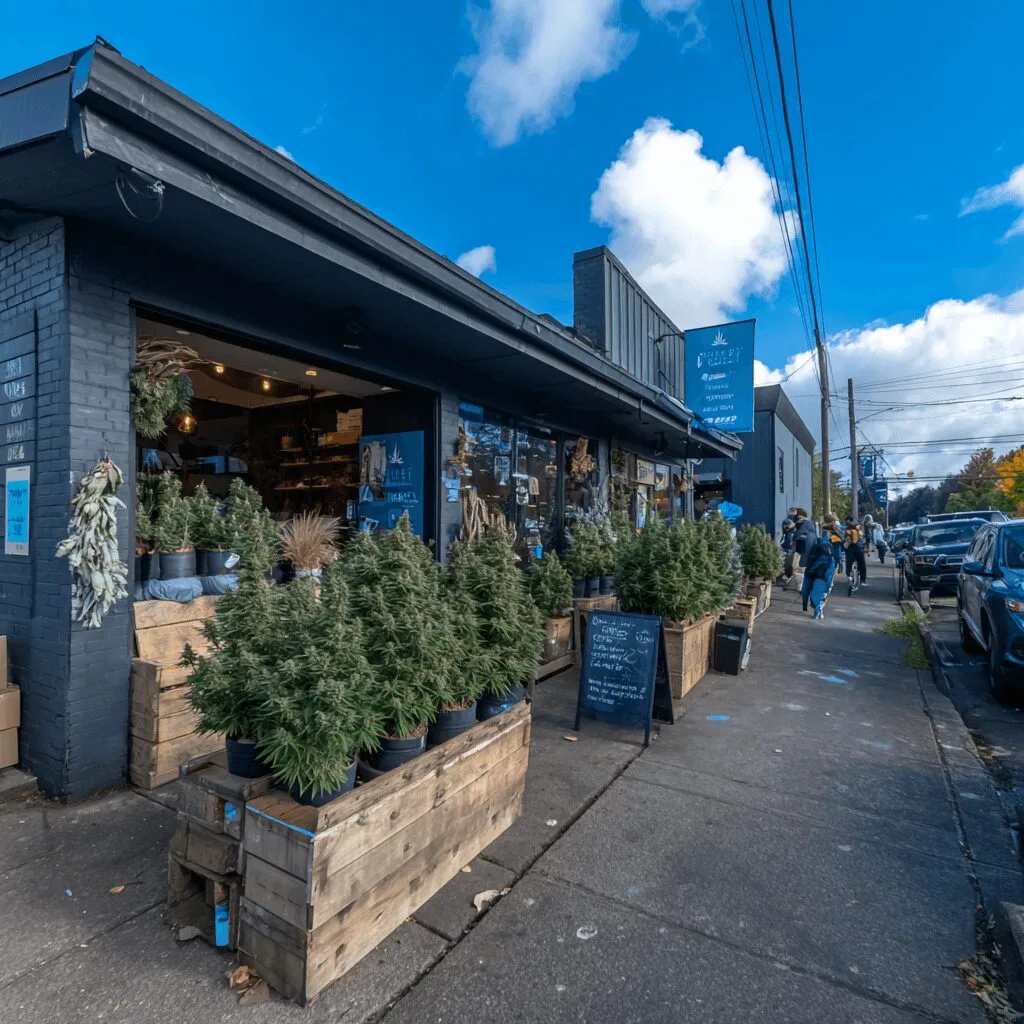
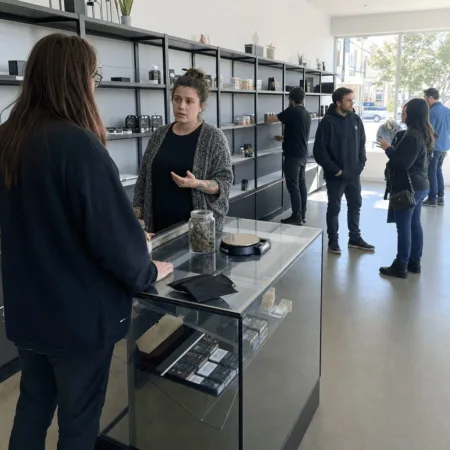
Zooming in on Westfield, Massachusetts, we’re seeing a stellar example of cannabis retailer repurposing right now. According to MassLive, the town’s second cannabis retailer is moving forward with plans to renovate a well-known building on College Highway. Scheduled for groundbreaking this winter, the project features a hands-on makeover, retrofitting an older retail space into a compliant, stylish cannabis shop. Local residents recognize the spot from its previous life, and construction crews have already started transforming the façade, interior, and security systems to match both state law and company branding. The details reflect the intricate balance of regulatory standards and community feedback, as local leadership, including the planning board, considered parking demands, traffic patterns, and neighborhood sentiment before greenlighting the site. This process shows the importance of adapting operations in response to state rules, much like the dynamic regulatory developments described in current New Jersey cannabis laws and updates. This isn’t just a coat of paint, it’s a full-scale evolution for the property, complete with improved landscaping and new storefront windows, ultimately nodding to the building’s cannabis-powered future. As of late 2025, the retailer aims to welcome customers by early 2026, following a model that’s quickly gaining traction statewide (MassLive News).
Expert Insights: What Repurposing Means for the Industry
Let’s get into the real weed, so to speak. Cannabis retailer repurposing isn’t just trendy, it’s vital for sustainability and social integration. According to Green Market Report, retrofits save resources and help retailers comply with environmental goals, while established locations often bring in immediate traffic. ‘Instead of letting old buildings sit empty, these businesses are filling economic gaps and making our main streets relevant again,’ says Lisa Hurwitz, a leading retail designer and cannabis consultant. She explains, ‘We’re turning overlooked spaces into safe, stylish places for adults to shop locally and responsibly.’ Beyond economics, these projects signal that the cannabis industry is here for the long haul. As Leafly’s industry analysis points out, well-designed shops help destigmatize cannabis, allowing stores to blend into the fabric of daily life. This transformative trend mirrors other notable developments—such as how major market entries change the American cannabis landscape. Municipalities also benefit: increased tax revenue, job growth, and new foot traffic for neighboring businesses. Cannabis retailer repurposing is not just about retail, it’s about rooting the movement in local culture and economy, transforming stigma into pride, and turning old buildings into symbols of progress.
Forward Look: Cannabis Retailer Repurposing & the Road Ahead
If there’s one thing certain about the cannabis world, it’s that tomorrow always brings change. As cannabis retailer repurposing continues to transform towns like Westfield, the whole sector reaps the rewards: more open spaces, reinvigorated main streets, and growing public support. Even with tough regulations, smart entrepreneurs and dedicated advocates turn challenge into opportunity—one location at a time.
Looking ahead, I expect more states and communities to embrace repurposing as the smart, sustainable path for cannabis retail. For consumers, these evolving shops mean better access, safer products, and an inviting, neighborhood feel. For cannabis culture as a whole, it’s proof that small-town roots and green innovation can go hand in hand. That’s a win for business, for towns, and for moving the cannabis conversation forward. For more on the changing landscape of cannabis retail, check recent coverage by Benzinga’s cannabis business section and Forbes Business Council.
Originally reported by: masslive.com
1 Comment
Pingback: Drug Testing at Traffic Stops: What San Diego Police Use Now