2026 Craft Beer Cannabis Forecast: Surprising Shifts Ahead
The 2026 craft beer cannabis forecast has industry pros on high alert. Both sectors, beloved by passionate communities, face a wave of change, innovation, and disruption. This isn’t just another boring year—new regulations, economic headwinds, and shifting consumer habits mean brewers and cannabis entrepreneurs alike must adapt fast. With forecasts predicting surprises and volatility, it’s never been more vital to understand the forces shaping this landscape. Let’s break down what you need to track—2026 style.
Market Forces and Regulatory Realities: Setting the Stage for 2026
The landscape around the 2026 craft beer cannabis forecast is shaped by a whirlwind of regulatory shifts, consumer tastes, and stubborn economic factors. Brewers have long navigated tightening state rules, rising taxes, and distribution bottlenecks. In the cannabis world, states continue rolling out new markets—hello, New York and Minnesota—while federal legalization remains elusive despite new research potentially influencing change. Add to that complex packaging, potency caps, zoning headaches, and ongoing stigma faced by cannabis operators. The market in both sectors is fiercely competitive, with small brewers and craft brands feeling the squeeze alongside small and mid-sized cannabis businesses. Layer in inflation, higher costs for raw materials, and consumers showing less loyalty, things get interesting fast. The collision of cannabis and craft beer culture, once a niche crossover, is now influencing mainstream consumption and even policymaking, aligning with recent shifts in marijuana consumption habits such as those seen in Alaska’s surprising market trends.
Industry Developments Heating Up: What’s Really Happening Now
According to the 2026 craft beer cannabis forecast, both brewers and cannabis operators should brace for some turbulence. As reported by the Worcester Business Journal, Massachusetts—once the East Coast’s craft brewing darling—faces shrinking margins and a wave of brewery closures. State data shows nearly 40% of local craft brewers saw revenues dip in 2024 and 2025. Massachusetts cannabis sales, meanwhile, plateaued for the first time since legalization, as neighboring states open their own adult-use markets and supply outpaces demand. Industry leaders like Tree House Brewing and Truro Brewing have pivoted to on-site experiences, food, and events to recapture traffic. On the cannabis side, operators like Good Chemistry and Theory Wellness have consolidated storefronts and expanded home delivery to offset competition and price compression. At the policy level, new proposed legislation could tighten beverage advertising, limit product crossovers, and raise packaging standards, especially where alcohol and cannabis intersect, echoing broader enforcement moves like those impacting cannabis retailers in other markets. These regulations aim to temper public health concerns but create serious headaches for operators already navigating slim profit margins. The intersection of craft beer and cannabis continues to trend upward, though, with more collaborations—think CBD-infused brews and hop terpene seltzers—popping up despite regulatory uncertainty.
Expert Take: Trends, Turmoil, and Pro-Cannabis Insights
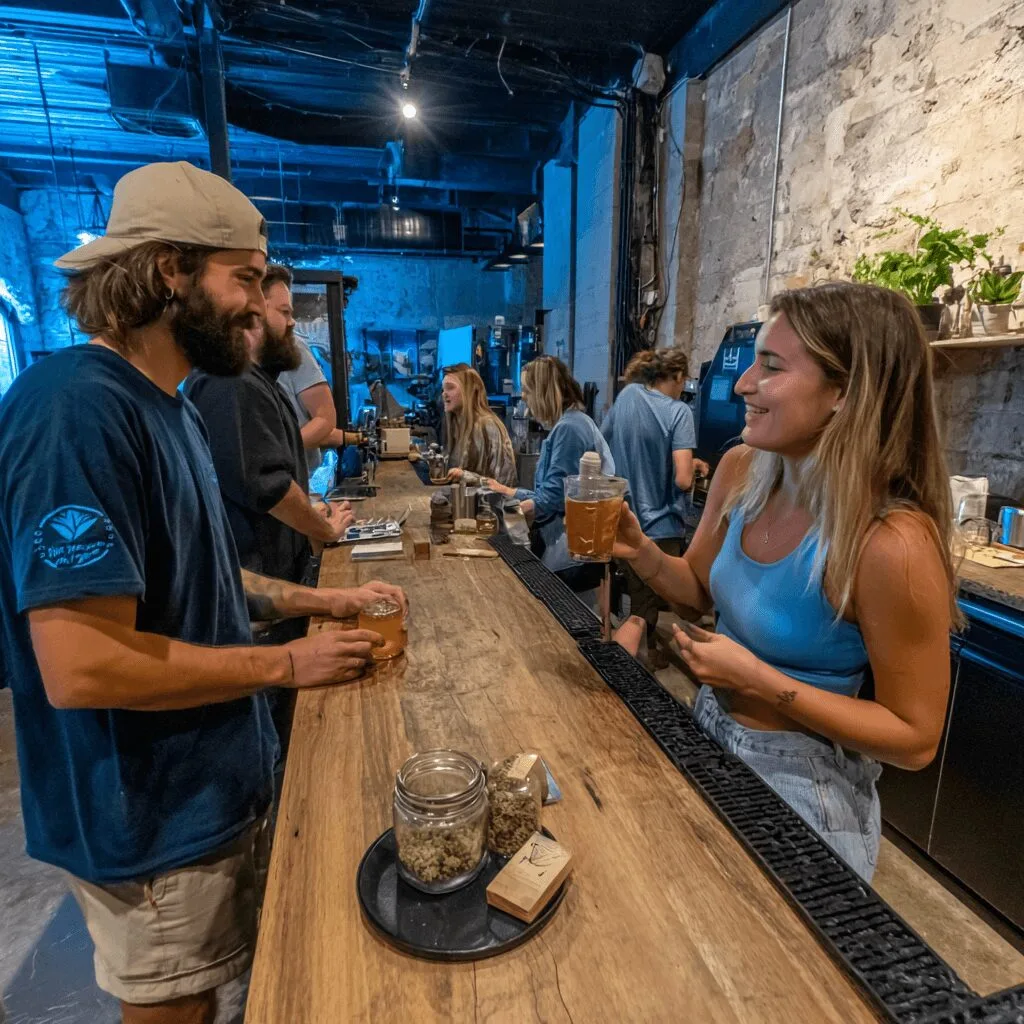
The 2026 craft beer cannabis forecast can feel daunting, but there’s still plenty to celebrate if you know where to look. As Leafly industry analyst David Downs puts it: “Markets this crowded will force real innovation, and resilient operators who put community and authentic experiences first aren’t just surviving, they’re actually thriving.” Downs also points to crossover trends: “Cannabis and craft beer brands that genuinely collaborate—think experiential taprooms, transparent sourcing—will stand out and give customers what they crave.” These words echo broader industry thinking that cultural synergy, adaptable business models, and regulatory engagement are keys to weathering storms. The craft beer world has decades of grassroots organizing, and the cannabis sector brings a radical legacy of activism. Both must draw on these roots, fighting for customer trust, smart regulation, and responsible growth. Evolving marijuana legislation continues to drive transformation not just locally but on a national scale, as seen when discussing the role of new scientific research in potential cannabis rescheduling and broader legal reforms. Reports from MJBizDaily reinforce that while pain points are real, demand remains strong as innovation and social acceptance keep pushing boundaries.
Looking Ahead: Opportunity Amid Uncertainty in 2026
As the 2026 craft beer cannabis forecast shows, this is no time for doom and gloom. Sure, operators face economic and regulatory tests, but that’s always been the case in both worlds. With informed advocacy, legal clarity, and consumer education rising, there’s huge room for brands to thrive by embracing quality, transparency, and real human connection. The evolving relationship between craft brewing and legal cannabis remains one of the most compelling stories in modern American commerce. In the words of Craft Brewing Business, “resilience, transparency, and adaptability” will define who wins the next chapter. For every closure or cutback, a new collaboration or innovation emerges. 2026 won’t look like 2020—but for those tuned in to the right signals, the future still looks pretty green (and just a little bubbly).
Originally reported by: wbjournal.com