


Miami-Dade deputy marijuana crash: Shocking Turnpike arrest
If you’ve been tuning in to recent Florida headlines, the Miami-Dade deputy marijuana crash is lighting up conversations across the state. This event isn’t just a wild highway scene—it’s a microcosm of ongoing tensions around cannabis, policing, and roadside enforcement. With legal reforms and public sentiment changing fast, this case shows just how quickly everyday cannabis realities bump up against the old-school ways. Let’s dive in and see what’s really going on with this crash—and what the story means for cannabis users, advocates, and law enforcement moving forward.
Understanding Florida’s Cannabis Laws and Social Backdrop
Florida’s approach to cannabis is, well, let’s call it cautious optimism. Medical use is legal statewide, but recreational cannabis remains a hot-button issue. According to NORML, Florida only allows registered patients to possess and use cannabis for qualified medical conditions. Despite medicinal access, arrests for non-medical possession are still happening, typically as misdemeanors for less than 20 grams, but a conviction can still leave a mark on your record. Miami-Dade, like much of Florida, has been caught in the cross-current of progressive reform and old-school enforcement priorities. Socially, more Floridians now support broader marijuana reform (a Pew Research Center survey found more than 85% of Americans back some form of legality), but the law is still lagging behind public opinion. This creates real-life tension, especially when routine traffic stops end in moments like the Miami-Dade deputy marijuana crash. The debate is not unique to Florida—other places, such as Michigan, have faced similar crossroads about medical and recreational use, including concerns about pregnancy and cannabis that are highlighted in recent trends from Michigan.
Crash, Arrest, and Fallout on the Florida Turnpike
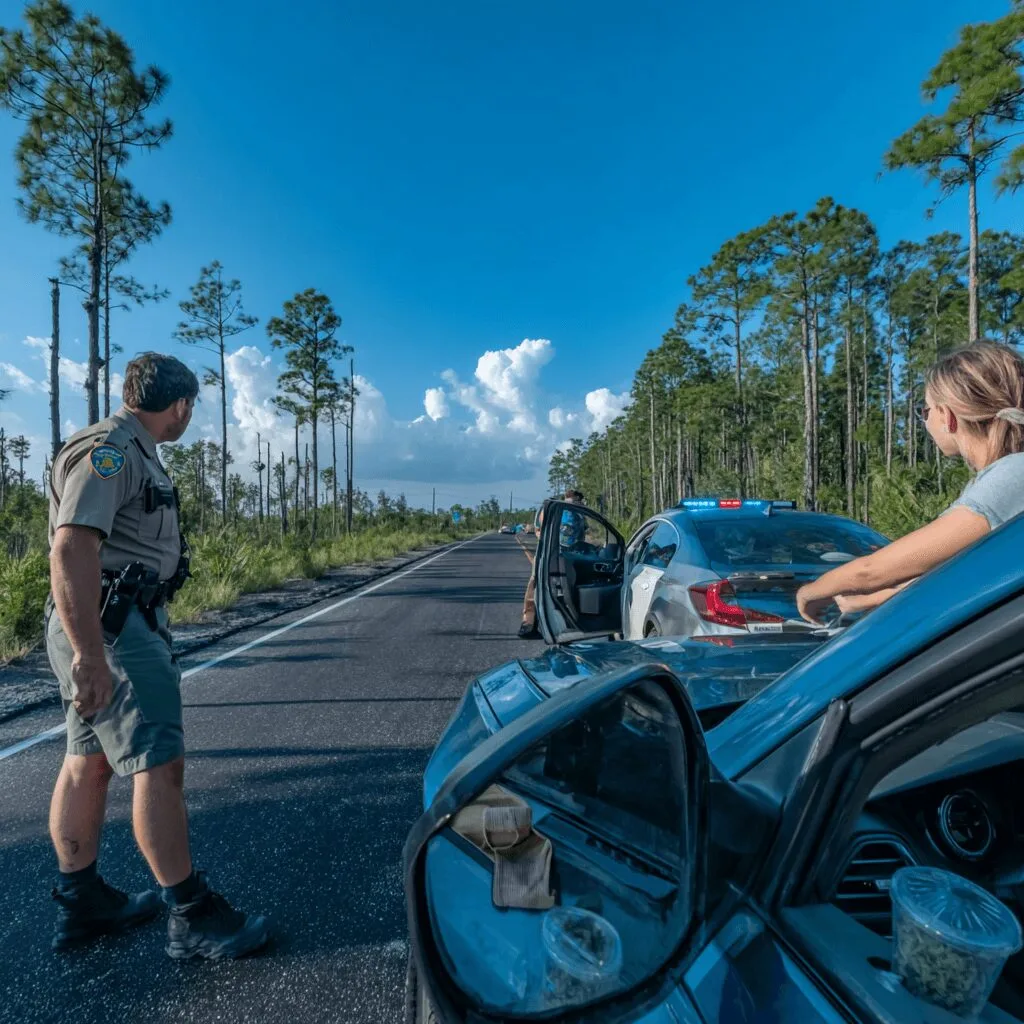
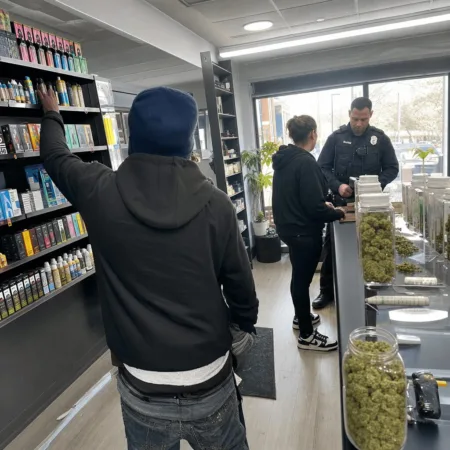
The Miami-Dade deputy marijuana crash didn’t just get folks talking, it set off flashing lights, sirens, and headlines. According to NBC Miami, the incident unfolded when a Miami-Dade deputy, pulled over on the Turnpike, was struck by a civilian vehicle. Emergency lights activated. The driver, described as visibly shaken, was promptly detained at the scene. Police reportedly discovered a small amount of marijuana inside the vehicle, specifically visible on the dashboard, a detail that quickly turned the incident from traffic to criminal investigation, with cannabis as the focal point.
Authorities confirmed the arrest, and the driver faces pending charges tied not only to the collision but also to cannabis possession, which, under current Florida law, remains a criminal offense outside of medical use. The incident, caught in broad daylight and apparently captured in an unfiltered roadside photo, underscores ongoing law enforcement scrutiny of even minor cannabis infractions during major roadside incidents. Anyone watching these events can see echoes of other states’ recent legal adjustments, such as what Oklahoma’s latest medical marijuana law changes mean for patients and providers. The Miami-Dade deputy marijuana crash, in this context, crystallizes the legal and social stakes still present despite broader reforms elsewhere.
Industry Expert Breakdown and Why This Case Resonates
This Miami-Dade deputy marijuana crash is a lesson in the dissonance between law and reality. Eric Stevens, a South Florida cannabis advocate and board member of Regulate Florida, told Leafly: “Every time there’s a cannabis bust tied to traffic, it shines a floodlight on just how outdated our enforcement policies really are.” His take? “Nobody wants impaired drivers on the roads, but most cannabis busts like this don’t involve impairment, just possession, and that shouldn’t ruin lives in 2024.”
This crash pulls together so many of the threads that have defined Florida’s cannabis debate: the grey area between medical and recreational, tough-on-crime police approaches, and rising public demand for common-sense reform. As Marijuana Moment regularly reports, Florida is on the doorstep of meaningful change, yet real-world incidents show how slow those doors swing open. For families and new parents navigating these legal uncertainties, the experiences of individuals facing preterm delivery or postpartum substance challenges offer sobering parallels, as seen in real stories of risk and relief from similar cannabis-involved cases across the country.
- Industry insiders argue that these frequent, high-profile busts do more harm than good, fueling stigma, overloading courts, and perpetuating cycles that reform could end.
- Advocates highlight there’s still no reliable way for officers to measure cannabis impairment on-site (a huge point of contention according to Brookings Institution).
Ultimately, the Miami-Dade deputy marijuana crash shows how far we have to go before policy truly matches the ground-level reality for cannabis users in Florida.
Looking Ahead—Progress, Policy, and Public Attitudes
So where does Florida go from here in the wake of the Miami-Dade deputy marijuana crash drama? If you listen to the experts and the grassroots, the answer is clear: more reform, better education, and a good dash of common sense. Roadside cannabis enforcement remains a pressure point, but every one of these high-visibility crashes clarifies the need for up-to-date laws and more equitable treatment.
Recent ballot initiatives and growing state-level support, noted by South Florida Business Journal, are evidence that Floridians want a more balanced approach. In the meantime, education campaigns, officer training, and clear impairment standards will be crucial. The Miami-Dade deputy marijuana crash is a reminder that real reform isn’t just about what’s on the books—it’s about what happens out on the roads, and in the hearts and minds of Floridians. The path to full legalization and fair enforcement is winding, but the momentum is real, and the future is green.
Originally reported by: nbcmiami.com
1 Comment
Pingback: Federal Cannabis Legalization: Executive Order Set to Change Everything