






Oklahoma medical marijuana law: What you must know now
There’s no mellowing out with cannabis policy in Oklahoma—the pace is just heating up. With big changes rolling out under the new Oklahoma medical marijuana law, everyone from patients to providers is adjusting to a fresh legal landscape. In 2024, updates to medical cannabis laws sparked conversations statewide. If you’re wondering how recent shifts impact doctor recommendations, dispensary operations, or everyday access, you’re not alone. Below, I’ll break down exactly what’s changed, why it matters, and how you can navigate the greener side of the Sooner State with confidence.
Decoding Oklahoma’s Cannabis Journey: Background & Context
Oklahoma’s love affair with medical cannabis officially began in 2018 when voters passed State Question 788, legalizing medical marijuana for a broad range of conditions. This put Oklahoma on the map for having one of the most open patient access policies in the nation, according to NORML. Over 12,000 licensed businesses and more than 380,000 patients have benefited from this bold move, making Oklahoma a standout among U.S. states. The Oklahoma Medical Marijuana Authority (OMMA) oversees licensing and compliance, managing everything from home grows to dispensary standards. But rapid market expansion brought new challenges, including overproduction, gray-market actors, and calls for more robust oversight. As other regions contend with similar regulatory and social dynamics, New Jersey’s evolving medical cannabis program highlights how shifts in law and enforcement shape local buzz and public reception. These pressures, coupled with shifting public sentiment, set the stage for today’s Oklahoma medical marijuana law updates, meant to balance patient freedom with community safety and regulatory integrity.
Key Developments: What’s Different with Oklahoma Medical Marijuana Law
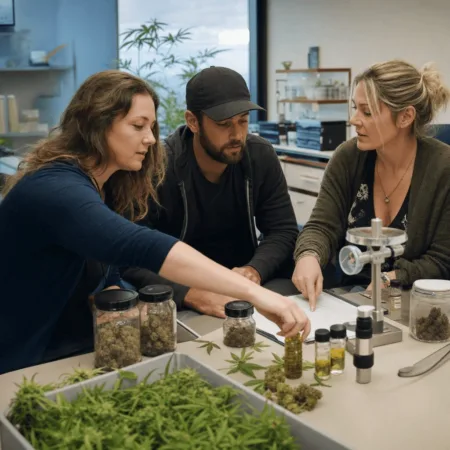
The start of the new year marked a major shift. As reported by KJRH, Oklahoma’s revised medical marijuana law now demands tighter scrutiny at every tier. Dispensaries are grappling with enhanced seed-to-sale tracking, so every bud, edible, and tincture is documented, aiming to prevent diversion into illicit markets. New requirements for physician recommendations mean certifying doctors must now undergo additional state training. Patients will notice more standardized procedures for renewing their medical marijuana licenses. Enforcement has also been stepped up, with OMMA collaborating closely with local law enforcement to inspect grows and shut down non-compliant operators. These updates reflect both lessons learned and the state’s commitment to a safer, more transparent marketplace. In the broader context, recent federal reform discussions, as covered in insights on how federal cannabis reform could reshape state systems like Iowa’s, show that Oklahoma medical marijuana law changes are part of a nationwide trend toward tighter regulation and sustainable market growth. Business owners and patients alike are adapting to the Oklahoma medical marijuana law’s higher compliance bar, hoping these changes will weed out the bad actors while protecting legitimate access.
Insights from the Field: Expert Take & Community Impact
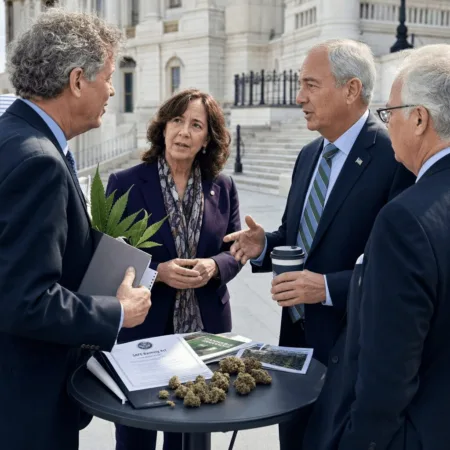
How does this wave of regulation hit the street? Industry experts suggest it’s a sign Oklahoma is maturing out of its ‘Wild West’ era. Dr. Mary Clifton, a leading cannabis clinician featured by Leafly, observes, “When local laws raise accountability, it boosts patient trust and strengthens the whole sector.” Advocates believe that tighter regulations, while a bit of a buzzkill for some small operators, could mean higher standards and improved legitimacy for everyone involved. Patients benefit from cleaner product, predictable quality, and clearer guidelines, while providers gain clarity around compliance expectations. Across the board, the Oklahoma medical marijuana law’s focus on transparency is helping move the industry from a free-for-all to a respected part of health care. These evolving standards reflect not only Oklahoma but also experiences seen in places where local dispensaries have driven community buzz and growth. Market watchers, like those at MJBizDaily, say Oklahoma remains among the nation’s fastest-growing medical cannabis markets, but expect future growth to be steadier and more sustainable.
The Road Ahead: What Oklahoma’s Changes Signal for Cannabis Culture
So, what does the future hold? Oklahoma’s evolving approach to medical cannabis is a template to watch. With improved regulation, more informed doctors, and better consumer protections, Oklahoma is shedding old stereotypes and showing that cannabis can be well-governed. According to a report by Cannabis Business Times, states that embrace collaboration and accountability see lasting industry gains—and broader social acceptance. If you’re a patient, expect a smoother, safer experience. If you’re a business, meeting these new benchmarks positions you for long-term success. The Oklahoma medical marijuana law is a living document, changing as the market grows and the community’s needs evolve. As awareness spreads, stigma drops, and science catches up, Oklahoma is poised to stay at the heart of America’s medical cannabis movement for years to come.
Originally reported by: kjrh.com

2 Comments
Pingback: Preterm Delivery Postpartum Substance Use: What You Need To Know
Pingback: Preterm Delivery Postpartum Substance Use: What You Need To Know