


Dante Core drug arrest: Shocking twist rocks Ole Miss football
The story of the Dante Core drug arrest has sent a bolt through the Ole Miss football scene, and it’s no small deal. Recent trends across the United States show that cannabis-related incidents among student-athletes often spark major public debates, especially when it involves high-profile teams. As regulations and social attitudes shift, events like the Dante Core drug arrest highlight the ever-evolving intersection of college sports, cannabis law, and wider questions about justice and policy. Today, we’ll break down exactly why this matter is making headlines, provide real facts from the incident, and offer a balanced, expert-driven perspective on the future of cannabis in sports and society.
Background: College Football Meets Shifting Cannabis Laws
In the last decade, the legal and social landscapes around cannabis have changed dramatically. Today, Pew Research notes that nearly 90% of Americans support legal access to cannabis in some form. Yet, student-athletes are still strictly governed by NCAA rules and complex federal, state, and university-level laws. States like Mississippi have only partially rolled out medical cannabis programs, while recreational cannabis remains illegal. Recent developments in cannabis regulation—seen not just in Mississippi but nationwide—often leave young athletes, especially those of color, vulnerable to harsh penalties. For example, regulatory change such as federal cannabis reform in states like Iowa demonstrates how shifts could impact student and patient rights elsewhere. Incidents like the Dante Core drug arrest exemplify the disconnect between changing public opinion and outdated institutional policies.
Dante Core Drug Arrest and Immediate Fallout
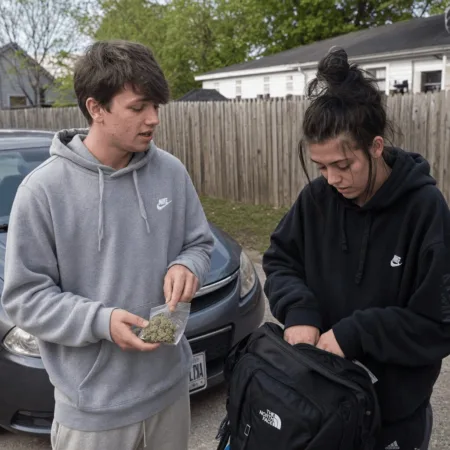
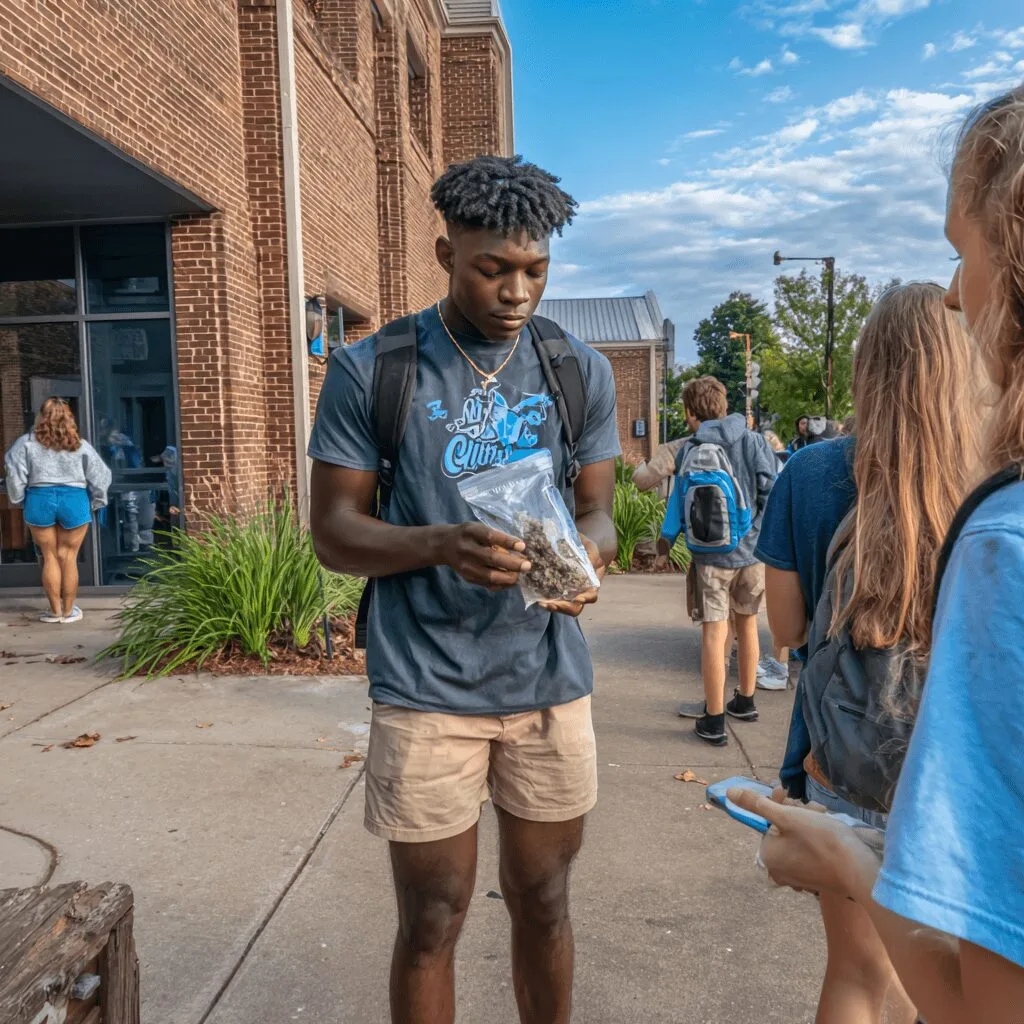
The Dante Core drug arrest unfolded just days before Ole Miss was set to face Georgia in the highly anticipated Sugar Bowl, as reported by major outlets such as the Hattiesburg American. Ole Miss rising star Dante Core, a young African American player with a promising future, was reportedly detained on campus in late December 2025. Sources confirm that campus police acted after a routine safety check led to the discovery of a small bag containing cannabis in Core’s possession. School administrators were immediately notified, triggering university disciplinary proceedings and team suspension just ahead of the big game. This single event sparked debates online and among sports pundits, with the university releasing a brief statement emphasizing the enforcement of campus drug policies. Legal experts quickly pointed out Mississippi’s strict laws and the NCAA’s zero-tolerance stance, further complicating Core’s situation and amplifying media attention—drawing attention to how federal changes to cannabis scheduling could have significant ramifications for student athletes.
Expert Analysis: Context, Consequences, and Cannabis Culture in College Sports
The Dante Core drug arrest shines a bright light on deeper issues facing student-athletes and cannabis regulation. On one hand, the NCAA’s line remains tough: zero tolerance, no exceptions, even as state and national attitudes soften. According to industry veteran and advocate Jane West, founder of Women Grow, “Prohibitive policies don’t prevent cannabis use—they just punish those who get caught, often college athletes with their careers on the line.” (Forbes profile). For many in the cannabis community, this situation raises questions about equity—why are some adults free to use cannabis while student-athletes still face harsh risks? Culturally, these incidents tear open conversations around double standards, racial profiling, and the mental health pressures facing athletes. Mississippi’s medical cannabis rollout remains restrictive—athletes don’t have access to therapeutic routes available in states like California or Colorado, furthering the disconnect. Meanwhile, according to Leafly, the NCAA has begun discussing less punitive approaches, but the reality on campuses like Ole Miss has not yet caught up. Across the broader landscape, advocacy groups such as the Nebraska Cannabis Trade Alliance are driving patient-first reforms, reflecting the wider movement for fairer and evidence-based policies.
The Road Ahead: Change Is Coming for Cannabis and College Sports
While the Dante Core drug arrest stands as a cautionary episode, it also signals growing momentum for reform. With respected entities like NORML documenting the rise of pro-cannabis sentiment and reporting on regulatory progress nationwide, there’s clear evidence change is coming. Many universities are beginning to revisit their disciplinary codes, and the NCAA’s softening stance hints at industry-wide shifts. If we look at broader trends—from medical cannabis legalization to student mental health advocacy—experts agree that student-athletes deserve fairer, more consistent treatment based on current science, not stigma. In the end, the Dante Core drug arrest might just be a pivotal learning moment, nudging sports and society closer to policies marked by common sense and compassion. As social acceptance grows, we can expect more balanced approaches and fewer young lives derailed over small-time cannabis infractions.
Originally reported by: hattiesburgamerican.com