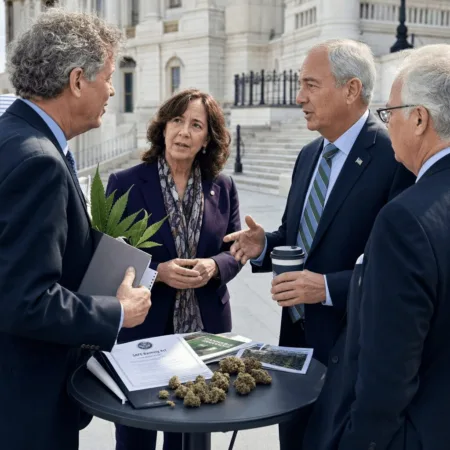
Tilray U.S. cannabis rescheduling: Will TLRY Stocks Soar?
Talk about a wild ride. The Tilray U.S. cannabis rescheduling story is sending shockwaves across markets and sparking conversations among investors, regulators, and everyday cannabis enthusiasts. As the U.S. edges toward federal cannabis reform, Tilray sits on the frontlines—and with potential federal rescheduling under consideration, the stakes have never been higher. In this article, we’ll take a clear-eyed look at why this moment matters for Tilray, explore the latest news shaking up the sector, and break down what rescheduling really means for investors and the broader cannabis landscape.
Understanding the Tilray U.S. Cannabis Rescheduling Landscape
If you’ve ever tried to keep up with U.S. cannabis laws, you know they’re a head-spinning patchwork of state policies clashing with stubborn federal restrictions. As of now, cannabis remains a Schedule I controlled substance, putting it in the same legal bucket as heroin according to the DEA. This classification blocks federally regulated banking, traditional business deductions, and clear interstate commerce. But tides are shifting, with public support for legalization at all-time highs (Gallup puts it at over 68%), and states raking in tax revenue, federal policymakers are feeling the pressure. Industry analysts and advocates are zeroed in on Tilray U.S. cannabis rescheduling, weighing the realistic outcomes and what a move to Schedule III or descheduling altogether could unleash for companies like Tilray. For investors tracking how regulatory changes could impact the sector, see recent market reactions and stock opinions regarding Tilray’s positioning in the developing rescheduling landscape.
- Current federal policy still restricts fundamental business operations for U.S. cannabis companies.
- Repeated pushes for reform, such as the MORE Act and SAFE Banking Act, signal mounting bipartisan momentum (source: Congress.gov).
- Market players, especially those with cross-border operations like Tilray, have the most to gain or lose from regulatory shakeups.
Key Developments in the Tilray U.S. Cannabis Rescheduling Saga
The news spotlight is hot on Tilray following the recent wave of discussions around cannabis rescheduling in the U.S. On May 16, 2024, the Department of Justice officially announced its proposal to move cannabis from Schedule I to Schedule III. That’s a historical leap, especially for a market-aligned operator like Tilray Brands (NASDAQ: TLRY). Discussions about nationwide policy shifts are prompting communities to consider new rules—similar to those underway in Upper Township, where local ordinances are shaping cannabis life.
Tilray’s CEO, Irwin Simon, wasted no time jumping into the discourse, calling the move “a major milestone that recognizes the legitimacy and vitality of the legal cannabis industry.” Investors, though, are hungry for details: What does this actually mean for Tilray? According to CNBC, the proposal would allow cannabis companies to deduct ordinary business expenses under IRS code 280E and open doors to new research opportunities. Some, however, argue that as long as cannabis remains federally illegal—even at Schedule III—many banking and capital market restrictions will persist.
- Tilray stock saw volatile swings after the DOJ announcement, reflecting both optimism and market caution. (Source: Nasdaq)
- The rescheduling review process includes a public comment period, with implementation still months away (according to the Federal Register).
- Major U.S. exchanges continue to bar plant-touching cannabis companies, so Tilray’s NASDAQ presence remains uniquely positioned.
Expert Takeaways and Real-World Insights
So, what’s the real verdict from the cannabis community and market professionals? Here’s where things get gritty yet hopeful. Financial experts from Cannabis Business Times point out that moving marijuana to Schedule III would “remove handcuffs on cash flow,” but full structural reform will require more. Meanwhile, industry advocates, like NORML’s Executive Director Erik Altieri, put it bluntly:
“Rescheduling is a critical step, but true justice demands full legalization and equal economic opportunity for all involved.” (NORML)
For Tilray, the rescheduling buzz could mean increased access to mainstream investment, less tax pain, and bigger opportunities in pharmaceutical research. Yet some analysts caution that investors should temper their hype; regulatory progress is still incremental, and cross-border uncertainties linger. Still, for cannabis insiders, any step down the scheduling ladder helps chip away at decades-old stigma and brings the industry closer to normalized status. Recent changes are also triggering growth at the local level—for example, as new dispensaries expand operations and engage their communities. The very mention of Tilray U.S. cannabis rescheduling in financial headlines signals to Wall Street and Main Street alike that change is not just possible, it’s in motion.
The Future Is Greener: What’s Next for Tilray and U.S. Cannabis?
If you’re looking for optimism in uncertain times, there’s plenty to savor here. Tilray U.S. cannabis rescheduling could, over time, spark a domino effect within both political halls and capital markets. As U.S. attitudes liberalize and business restrictions soften, Tilray stands to become a leading name on the global stage. New developments—like expanded clinical studies, mainstream advertising, and cross-border deals—feel closer than ever before.
Authoritative voices from Leafly and Marijuana Moment echo a clear message: step-by-step reform is the only way to achieve full social and economic equity in the cannabis sector. As the world watches Tilray ride the wave of U.S. cannabis rescheduling, the potential for growth, normalization, and smart regulation is sky high. So stay tuned—the best is yet to come.
Originally reported by: quiverquant.com