

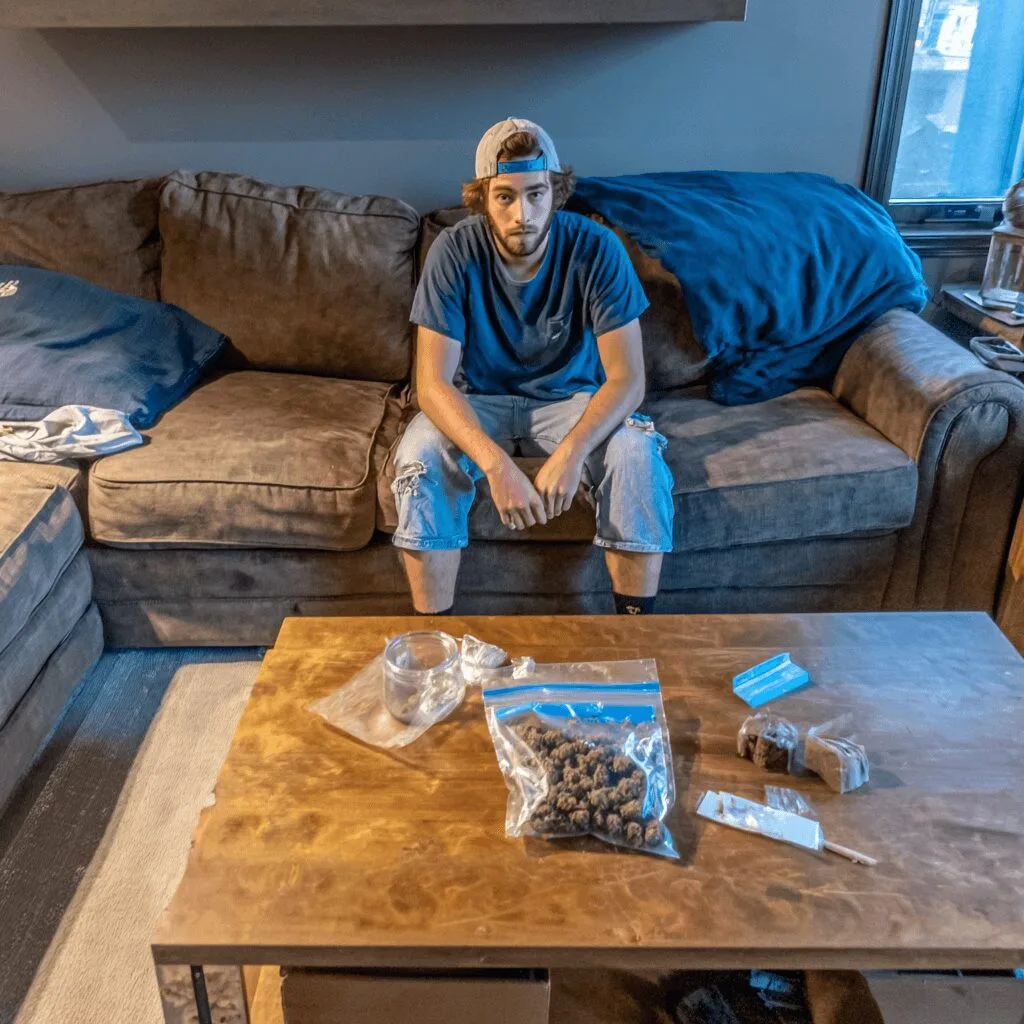
Marijuana Possession Arrest: What Faison Charles Henry Jr. Faced
The conversation around marijuana possession arrest is heating up as cannabis legalization sweeps across more states—yet, people are still feeling the sting of outdated laws. Headlines like the recent case involving Faison Charles Henry Jr. show how these contradictions play out in real life. This article unpacks why marijuana possession arrests are still happening, what went down with Henry’s case, and where all this might be headed as the cannabis culture and industry keep evolving.
Understanding Marijuana Possession Arrest: Legal and Social Backdrop
Despite changing attitudes, marijuana possession arrest remains a common pitfall in areas where cannabis hasn’t been fully embraced by law. According to the ACLU, U.S. police still make hundreds of thousands of weed arrests annually. Complex patchworks of state laws, federal prohibition, and local enforcement mean your zip code can make or break your freedom. Recently, states like Pennsylvania continue to lag behind on meaningful reform, even as neighboring jurisdictions move toward more progressive cannabis policies. Residents in other parts of the country have seen recent changes; for example, those curious about future updates and legal flexibility in different regions may want to understand how new marijuana laws in Colorado Springs could affect local rights and attitudes in 2025. Socially, the tides are shifting, with most Americans wanting decriminalization or outright legalization, as reported by Pew Research Center. Still, nearly half of all drug arrests in the U.S. remain related to marijuana possession, revealing a big gap between law and public opinion.
The Details: Faison Charles Henry Jr.’s Marijuana Possession Arrest
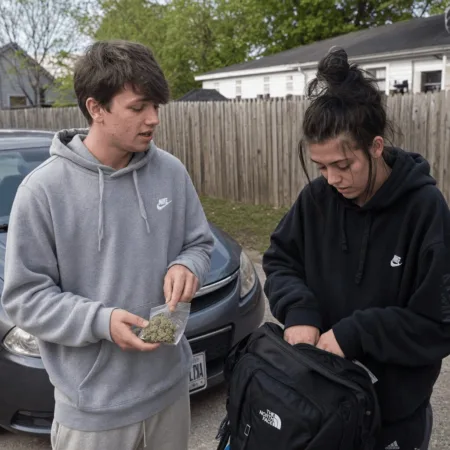
Let’s break down what went down in Lebanon County with Faison Charles Henry Jr. On March 10, 2024, according to police records shared by Crimewatch PA, Henry was apprehended by West Lebanon Township officers. The charge? Possession of a small amount of marijuana, plus an additional related violation. No drama, no wild car chase, just another instance of someone caught with a personal stash, facing the grind of Pennsylvania’s drug laws. Situations in other states sometimes garner even more attention, as reflected in recent incidents like a marijuana-related police chase in Little Rock that ignited heated debate about local enforcement tactics. Authorities seized cannabis, a baggie, and paraphernalia from Henry’s possession. This scenario is more common than you’d think, with minor weed busts making up a huge slice of yearly drug-related law enforcement activity, even in places where reform looms on the horizon.
Expert Insights: What Henry’s Arrest Says About the Industry and Law
There’s a bigger story behind every marijuana possession arrest. Experts warn that these arrests have ripple effects, impacting individuals, communities, and the entire cannabis industry. As Marijuana Moment chief editor Tom Angell put it: “The patchwork state system and constant threat of prosecution make cannabis access unfair and unpredictable for millions.” The Henry case is a textbook example—local rules still penalize users while the legal market blossoms elsewhere. For growers, retailers, and advocates, every arrest signals the need for harmonized legalization—a critical step towards unlocking the cannabis industry’s full economic and social benefits. Recent states have tackled questions around THC product regulations and business impacts, which can help illustrate how both legal clarity and reform could shape opportunities, as seen in Ohio’s adjustments to THC beverage regulations for businesses.
Balanced View: Counterpoints and Solutions to Marijuana Possession Arrest
There’s no denying some still worry about cannabis use, and opponents cite public health and safety. However, data from NORML and Brookings Institution show legalization correlates with falling arrest rates, less policing of victimless crimes, and better public safety outcomes thanks to regulated markets. In other areas, teen cannabis use trends are closely watched by families and policymakers alike; keeping up with the latest data on youth cannabis usage shows how regulation and education could mitigate risks. Instead of criminalizing minor possession, policymakers could focus on robust regulation, education, and harm reduction. The persistent criminalization of ordinary adults—like Faison Henry Jr.—doesn’t match modern sensibilities or social trends. Most major cannabis organizations recommend full decriminalization and record expungement as the right move in 2024.
Looking Ahead: Progress and Hope Beyond Marijuana Possession Arrests
The story of Faison Charles Henry Jr.’s marijuana possession arrest is a familiar one, but the momentum for change is undeniable. Thanks to swelling public support and steady reform in statehouses nationwide, the cannabis industry is headed toward a future where the average user won’t have a criminal record for a small stash. Thought leaders agree, citing examples from states like Illinois and Colorado: legalization leads to economic growth, expanded individual rights, and public health wins (MJBizDaily reports record job creation and revenues in legal states). The hope? That more states and policymakers will embrace legalization and reform—leaving outdated marijuana possession arrest laws a thing of the past.
Originally reported by: lebanon.crimewatchpa.com