





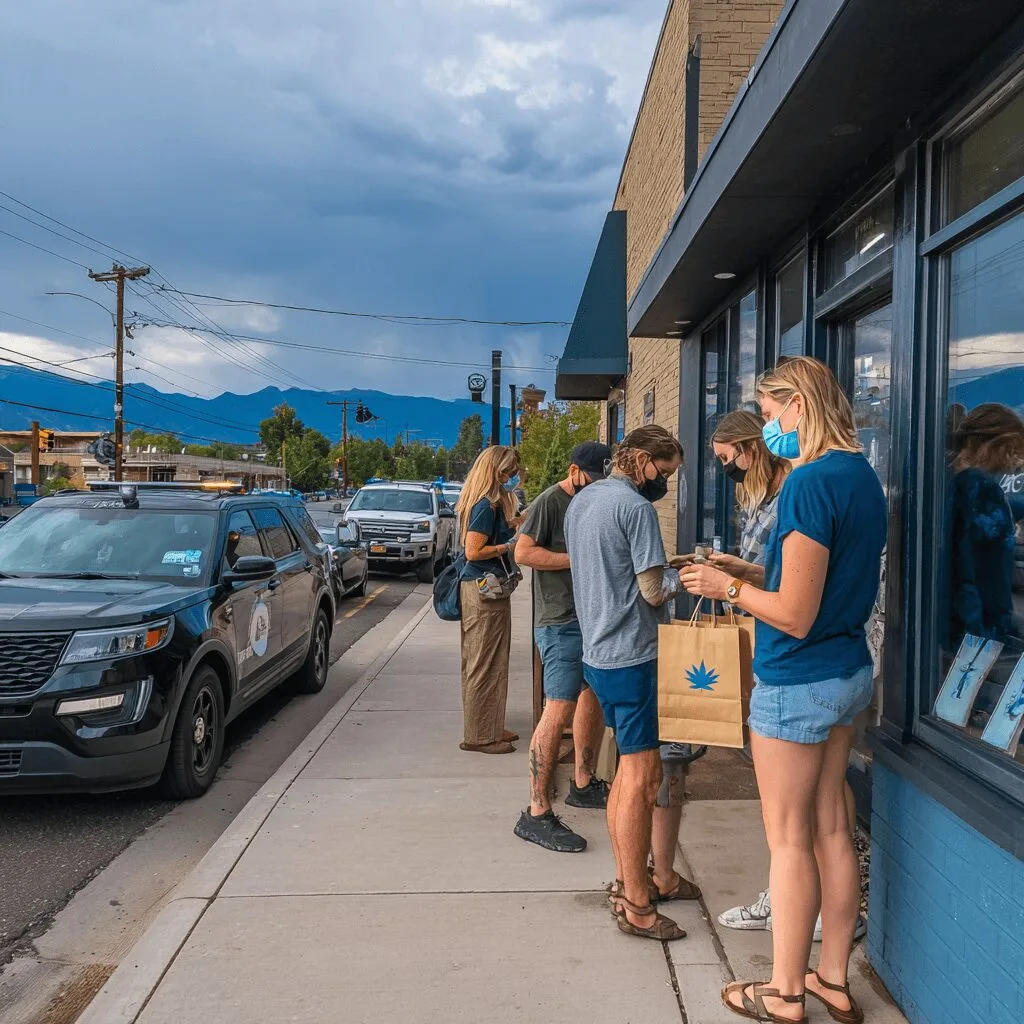
There’s a new vibe swirling through town as Colorado Springs marijuana laws step center stage in 2025. With changing regulations, federal shakeups, and fierce community debate, cannabis has become a hot talk in the community. Whether you’re a local, dispensary pro, or simply curious, understanding what’s shifting with Colorado Springs marijuana laws has never mattered more—especially as the city explores retail models and faces nationwide attention.
Regulatory Shifts & Local Background: The Roots of Colorado Springs Marijuana Laws
Colorado Springs stands apart from other Colorado cities, famously maintaining a hands-off approach to recreational marijuana storefronts even as the rest of the state went green. While Colorado legalized recreational cannabis in 2012 (Colorado.gov), local leadership held to strict prohibition of non-medical retail shops, arguing impacts on community values, federal jobs, and youth safety. Meanwhile, medical dispensaries have been a staple for years. Market pressure, legislative changes, and growing tax revenue interest have recently reignited local debates about whether Colorado Springs marijuana laws should evolve, especially as nearby cities collect millions in cannabis taxes, according to official reports from Denver’s Department of Excise and Licenses. These local discussions reflect broader shifts in how cities across the country are considering the impact of marijuana tax revenue and current budget debates, a topic explored in-depth in recent analysis of how marijuana sales tax proceeds may transform community budgets.
Major Developments: 2025 Events You Need to Know
2025 has been a landmark year for Colorado Springs marijuana laws. Early in the year, local advocates reignited calls for allowing retail sales. A city council forum in February drew standing-room crowds as leaders debated the pros and cons of legalizing dispensary storefronts after years of restriction (according to reports in The Gazette). By mid-2025, the city faced outside pressure after several high-profile federal raids targeted illegal cannabis operators across Colorado—Colorado Springs included. The feds cited ongoing concerns about black market cannabis leaks, but also acknowledged the complicated regulatory patchwork unique to the region. At the same time, voters narrowly rejected a ballot initiative that would have allowed limited recreational cannabis retailers—in a 51% to 49% split, per coverage from KRDO News. Elsewhere, medical dispensaries—such as The Green Solution and LivWell—continued to thrive under state regulation, maintaining strict compliance and supported by local patients. Meanwhile, city officials announced a plan to revisit tax allocation discussions, eyeing the economic windfall cities like Pueblo and Denver have seen as recreational sales became mainstream, echoing issues raised by families and communities watching evolving cannabis use patterns, much like what’s described in current analyses of youth cannabis use trends.
Expert Insights: Reading Between the Lines of Colorado Springs Marijuana Laws
There’s a lot more to the Colorado Springs marijuana laws story than meets the eye. Timothy Byers, founder of the Rocky Mountain Cannabis Coalition, summed it up in a recent feature for Cannabis Business Times: “When a city this size resists retail access, it creates a regulatory vacuum, folks shop next door, taking retail dollars and jobs out of the community. But it’s also a signal of deep cultural factors at play.” Looking nationally, industry analysts from MJBizDaily note that patchwork regulations, especially in cities near military and federal centers, have led to persistent grey markets and cross-border activity. The convergence of federal, state, and local rules also means residents must stay sharp about ever-shifting compliance expectations. When examining how state and local politics intersect with cannabis reforms in other areas, readers may gain additional perspective from recent coverage of Kentucky medical marijuana policy shifts.
Looking Ahead: What’s Next for Colorado Springs Marijuana Laws?
Looking forward, there’s no question that Colorado Springs marijuana laws will remain front and center in legal and public conversations. Advocates believe the city’s unique stance could soften as tax and budget considerations mount, and as more residents push for regulated access and equity in cannabis markets. According to NORML, cities throughout Colorado continue to adapt their regulations, mindful of public health, economic, and social changes. While setbacks in 2025 highlight how closely divided the community remains, history in Colorado proves that local attitudes can evolve quickly with the right mix of advocacy, data, and leadership. No matter which way the next vote swings, Colorado Springs remains a place to watch as the national cannabis story grows—and one where the balance of safety, profit, and freedom plays out with real stakes. Stay tuned, keep it civil, and always stay informed about your rights and the shifting landscape of Colorado Springs marijuana laws.
Originally reported by: gazette.com
1 Comment
Pingback: Marijuana Possession Arrest: What Faison Charles Henry Jr. Faced