





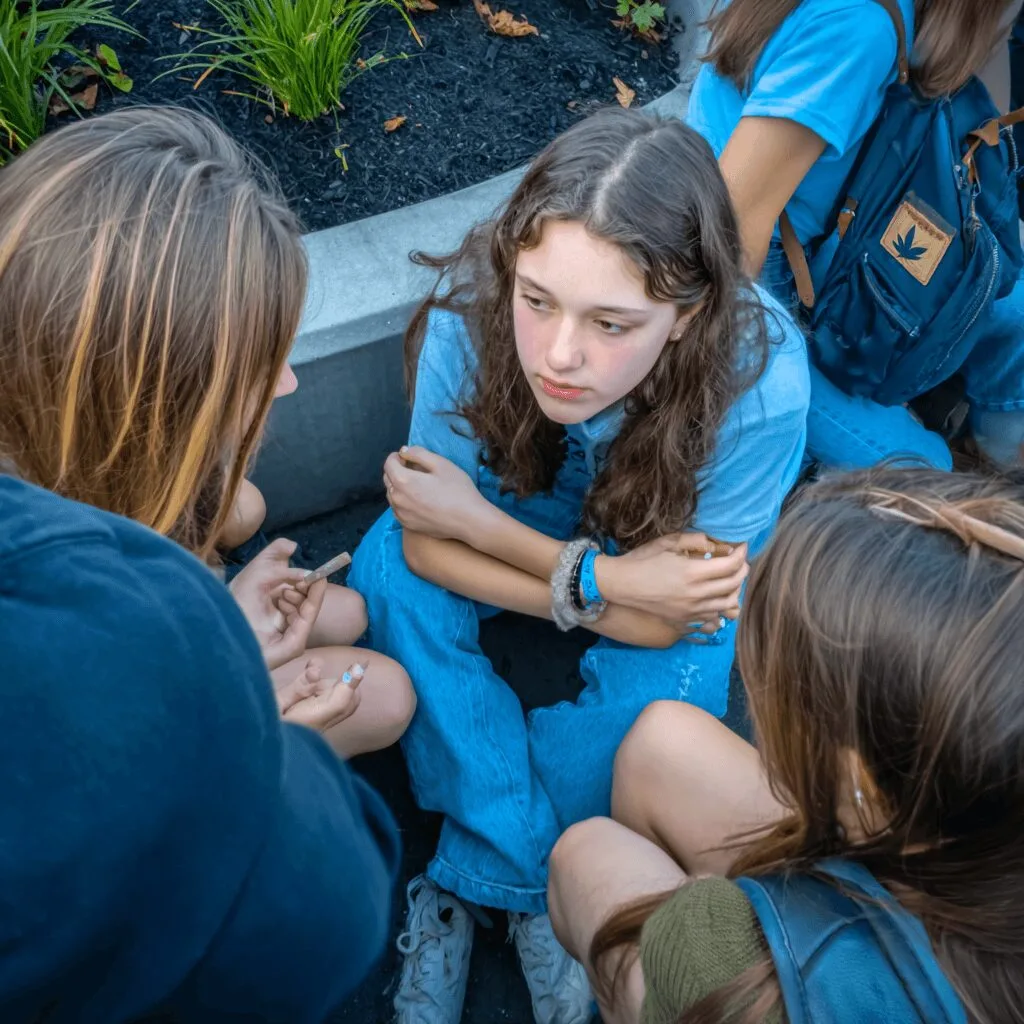
Teen Cannabis Use Trends: What Every Parent Should Know
Hey there—let’s get real for a moment. Everybody is talking about teen cannabis use trends these days, especially as new reports and community headlines flash up about changing attitudes and behaviors. Why? Because, with dispensaries more common than coffee shops in some states, and pot becoming less taboo, families are left wondering: What’s going on with our teens? Are the trends truly alarming, or just the predictable side effect of shifting legal and social tides? We’re going deep—sharing the facts, the why, the worries, the hope, and, yes, the solid data you need to hold your next family dinner conversation. You’ll walk away with the real story behind teen cannabis use trends, not just headlines.
The Changing Landscape: Regulations, Access, and Society
Let’s break it down. The landscape of cannabis access has shifted massively in the past decade. After Colorado and Washington kicked things off in 2012, Pew Research reports over 60% of Americans now live in states where one or both forms of cannabis are legal. Combine that with cultural destigmatization, thanks to shifting media portrayals and celebrity advocacy, and you have the perfect storm for increased curiosity among teens. But here’s the kicker, it’s not just about access or even peer pressure. Parents and educators face challenges with mixed messaging. The feds still call it illegal, but locally it’s a different story. That creates a murky environment for rule-setting at home and at school. Meanwhile, medical cannabis is celebrated for its therapeutic benefits, but illicit use by those under 21 remains a concern for lawmakers and parents alike. According to SAMHSA’s 2022 National Survey on Drug Use and Health, monitoring adolescent use is crucial as legalization expands. It’s also worth noting that recent legislative developments, such as new business regulations in states like Kentucky, have added complexity for communities impacted by changing cannabis laws (see how new laws are shaping local business life). In short, teen cannabis use trends are tangled up in legal limbo, pop culture evolution, and generational disconnects, not just simple cause and effect.
Spotlight on the Latest Developments & Data
The buzz in the news? A recent News8000 report shines a light on newly published local and national findings, showing that teen cannabis use trends are ticking upward or at least, not dropping after early legalization waves. Specifically, local school officials express concern as reported use among high-schoolers has increased in several states over the past three years. Several factors drive these trends. First, the normalization effect, when parents stop whispering “marijuana,” teens get more curious. Second, new product formats like discreet vapes and edibles change the game for how and where cannabis gets used. In fact, a spike in cannabis vaping among younger teens is cited by the Centers for Disease Control and Prevention (CDC). More kids are reporting first use at junior-high age, which was less common a decade ago. With these ongoing shifts, more comprehensive weekly updates about the cannabis landscape are becoming important for anyone tracking the larger trends. And as one public health official points out in the article, “We’re seeing patterns that deserve attention, not panic but engagement.” Lastly, discipline data from several large midwestern school districts show increased cannabis-related incidents, though expulsions are down, possibly reflecting a more educational, less punitive approach.
Expert Analysis: The Real Story Behind the Stats
Looking at teen cannabis use trends, it’s tempting to panic. But pause for a hot second, nuance matters. Dr. Amanda Reiman, cannabis sociologist and advocate, notes, “We need to remember: increased reporting doesn’t always mean increased use—it often means better honesty and better data.” (Interview with Marijuana Moment). In the context of today’s cannabis boom, more teens may admit to trying cannabis without feeling like criminals, a direct result of less stigma and more transparency. Still, there’s valid concern, teens’ brains are works-in-progress, and regular, heavy use may impact learning or mental health. But simple scare tactics fall flat. Instead, harm reduction models, evidence-based education, and open dialogue are trending up in effectiveness, especially compared to old-school “just say no” abstinence campaigns. The cannabis industry recognizes the stakes, and many companies now directly fund public health initiatives and youth prevention programs, as reported by community safety watchdogs. What’s really needed? Informed, nonjudgmental, and honest conversations with teens, no lectures, just facts and trust. When teens know the real risks and see responsible adult use, the fear factor drops and dialogue opens up.
Outlook: Shaping a Safer, Smarter Future
So where does this leave us? In a rapidly changing landscape, teen cannabis use trends remain in the spotlight. The industry, families, and communities all have a role. Regulators are listening; for example, Illinois policymakers are holding cannabis businesses accountable for youth prevention and reporting. Meanwhile, the broader public is getting smarter: panic is replaced by productive conversations, grounded in data and community values. The ultimate goal? Balance—protecting youth development while empowering honest, stigma-free education. As more states inch toward adult-use legalization, expect preventive education, advanced product regulation, and clearer age limits to lead the way. The vibe: hopeful, collaborative, and focused on progress for all generations. Teen cannabis use trends are evolving, but so is our understanding and our ability to respond—together.
Originally reported by: news8000.com

2 Comments
Pingback: Delaware marijuana laws 2026: What’s Changing Next?
Pingback: Colorado Springs marijuana laws: 2025 Changes & What to Know