



marijuana legalization 2026: Will the Future Bring a Green Light?
Whether you’re rolling up after a long day or debating future policy on the couch, conversations about marijuana legalization 2026 are impossible to ignore. With new momentum in Congress, shifting federal attitudes, and more states joining the green rush, the stakes have never been higher. In this deep dive, we’ll explore how regulatory changes, legal debates, and market signals are pointing toward a pivotal year. Get ready to find out what could be next for cannabis in 2026—from landmark legislation to what it might mean for your next smoke session.
The Evolving Landscape: How We Got to Debating Marijuana Legalization 2026
Marijuana legalization 2026 isn’t just a pipe dream or idle talk among advocates anymore. Over the last decade, the U.S. has watched as cannabis rapidly shifted from taboo to headline. In 2012, Colorado and Washington broke federal ground by legalizing recreational cannabis, a move that opened the floodgates for policy changes across the nation, according to Pew Research. As of 2024, over 23 states and Washington D.C. have embraced legal recreational use, while a whopping 38 states offer medical programs. This seismic shift reflects not only policy reform, but also growing public support—in fact, roughly 88% of Americans now favor some form of marijuana legalization. On the federal front, weed remains a Schedule I drug, keeping it in the same league (on paper) as heroin and LSD. This federal-state split has produced vexing legal and business contradictions with banking restrictions, tax uncertainties, and interstate commerce bans driving ongoing debate. The conversation about marijuana legalization 2026 is now front-and-center as advocates, lawmakers, and business leaders push for broad reform, pointing to the economic and social impact of an ever-booming market. U.S. legal cannabis sales surpassed $26 billion in 2022 with projections only climbing higher, as cited by Cannabis Business Times. As states like Connecticut continue to forecast substantial cannabis sales growth, market observers wonder if the coming years will defy all expectations as seen in the Connecticut market outlook.
Key Developments & Issues: What’s Actually Happening Around Marijuana Legalization 2026?
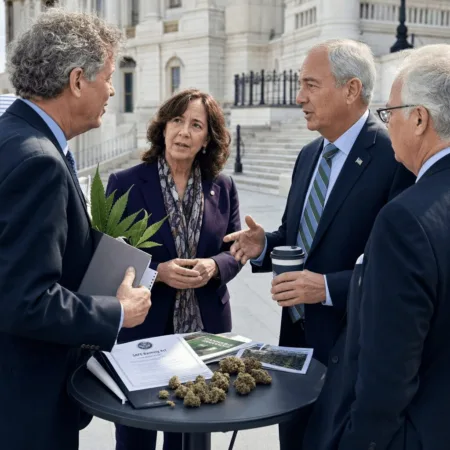
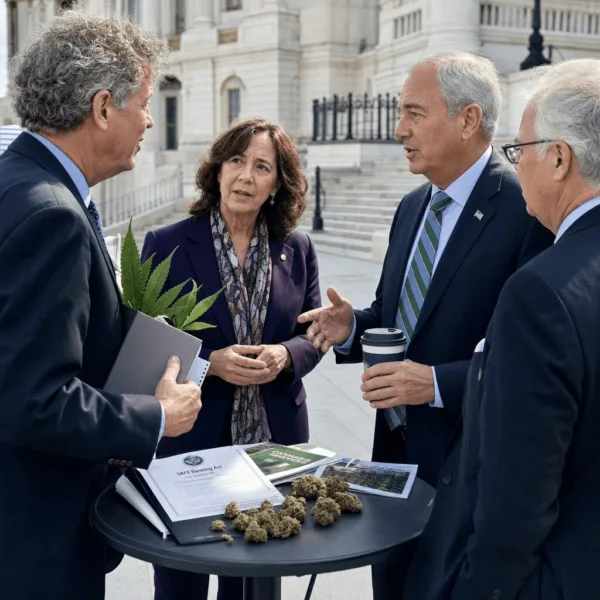
The push for marijuana legalization 2026 recently hit the headlines as federal lawmakers renewed efforts to reschedule cannabis and pave the way for full legalization. In late 2023, the Department of Health and Human Services recommended moving marijuana from Schedule I to Schedule III in the Controlled Substances Act. The Drug Enforcement Administration (DEA) is now considering the change, an action that could dramatically alter research access, business tax status, and even criminal justice enforcement. According to reports from The Hill and other national news outlets, this recommendation aligns with mounting pressure from pro-cannabis legislators, led by figures like Senator Chuck Schumer and Representative Earl Blumenauer. The SAFE Banking Act, designed to let cannabis businesses access traditional banking, has gained bipartisan traction in the Senate with a pivotal hearing in 2023, giving hope to business owners struggling with cash-only risks. Meanwhile, California, New York, and Illinois continue to set regulatory benchmarks—California’s state regulatory agency has rolled out a cannabis tax overhaul, while New York opened its doors to more retail licenses despite a few rollout hiccups. The Justice Department is also reviewing pardons and expungements for non-violent federal cannabis convictions, a crucial move towards justice reform as noted by official DOJ releases. At the same time, several advocacy groups have filed legal briefs demanding expeditious action on federal decriminalization, arguing that inaction affects patients, small businesses, and entire communities disproportionately. These evolving legal strategies, especially involving recent executive actions, have already begun to shake up aspects of the medical marijuana industry with significant shifts following major executive orders.
Expert Analysis & Insights: Reading Between the Lines on Marijuana Legalization 2026
So, what would rescheduling and new legal protections actually mean for the cannabis industry and consumers by marijuana legalization 2026? For starters, rescheduling to Schedule III could lead to more university-led research, allowing scientists to finally study the plant without as much bureaucratic wrangling and potentially spurring further study of advanced cannabis medicine formulas that combine CBD and THC which may redefine the future of cannabis medicine. This could enable new medical discoveries, safer products, and overall public health improvements. It could also mean easier banking and investment for cannabis businesses, driving a surge in market innovation. According to MJBizDaily, “A national regulatory shift would spark ‘the most significant cannabis market transformation since state legalization began,’” as cited by industry analyst Chris Walsh. However, the move isn’t a cure-all. Many activists warn that rescheduling without full descheduling and expungement may still leave communities vulnerable, particularly those harmed by the War on Drugs. As Wanda James, CEO of Simply Pure, pointed out in a Forbes interview, “If we don’t address restorative justice alongside legalization, we’re missing the point.” These insights highlight that marijuana legalization 2026 carries both huge potential and serious responsibilities.
Looking Ahead: What Will Marijuana Legalization 2026 Actually Look Like?
Peering into the crystal ball of marijuana legalization 2026, the future looks, dare we say, dank. With the federal government inching toward rescheduling, more bipartisan support in Congress, and states fine-tuning retail, tax, and social equity policies, momentum is only building. Market trends suggest that legal cannabis could surpass $40 billion in U.S. sales by 2026, according to an updated Statista forecast. Social attitudes are shifting rapidly, too, with even traditionally skeptical demographics coming around to the benefits of safe, legal, and well-regulated cannabis. For advocates and industry insiders alike, the priority now is making sure legalization is paired with smart regulation, real justice reform, and opportunities for all—especially those most impacted by outdated prohibitions. Bottom line: if the green light switches on in 2026, the next chapter of American cannabis is bound to be the most innovative, inclusive, and exciting one yet.
Originally reported by: thehill.com