


Youth tobacco cannabis use: Surprising facts you need now
We’re at a crossroads. Youth tobacco cannabis use is suddenly all over the news, sparking heated debates in schools, homes, and legislative chambers. As vaping trends shift, cannabis flower gains street cred, and regulations scramble to catch up, understanding what’s actually happening among teens is more crucial than ever. This article breaks down the surprising facts reshaping youth behavior, examines the latest research, and delivers real talk on where we go from here.
Understanding Youth Tobacco Cannabis Use: Background and Context
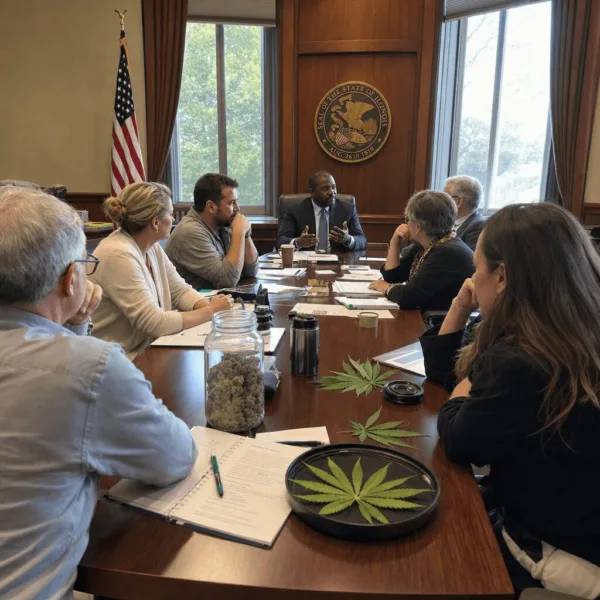
The story of youth tobacco cannabis use is tangled in a web of changing laws, evolving culture, and the booming legal weed industry. Cannabis legalization is reshaping norms, but tobacco remains tightly regulated. States like California and Colorado lead the way on recreational legalization, redefining what’s normal, and what’s risky (NCSL). Meanwhile, federal restrictions on cannabis still clash with looser state-level laws, leaving teens exposed to mixed messaging. Vaping’s explosive rise replaced traditional cigarette smoking among youth, but now cannabis products—especially pre-rolls and cartridges—are the real disruptors (CDC). Social acceptance for moderate weed use is growing, but research on combined tobacco-cannabis habits among the young is just unfolding. The bottom line, understanding youth tobacco cannabis use now means keeping up with rapid legal shifts, urban market trends, and peer-driven social dynamics.
Key Developments & Issues: Surprising Shifts in Youth Use Habits
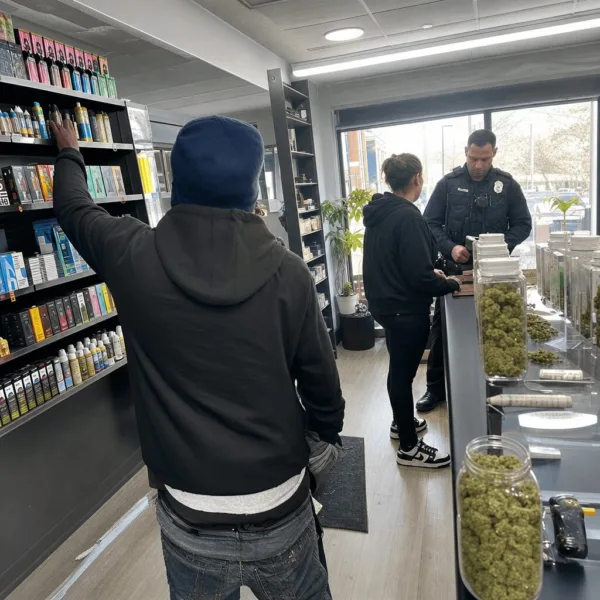
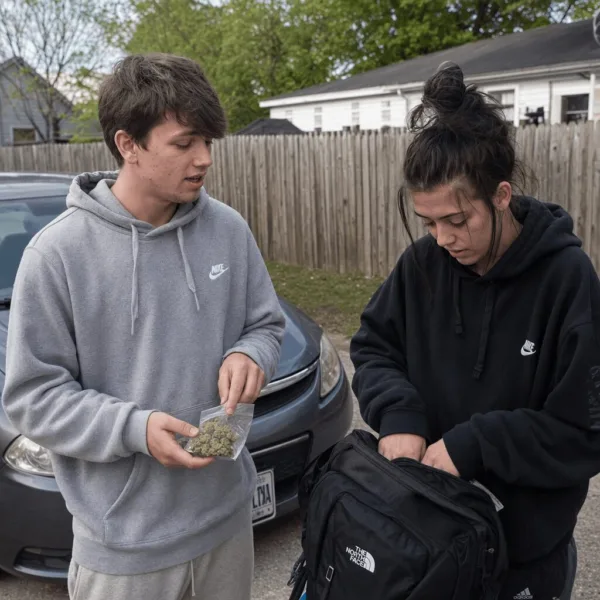
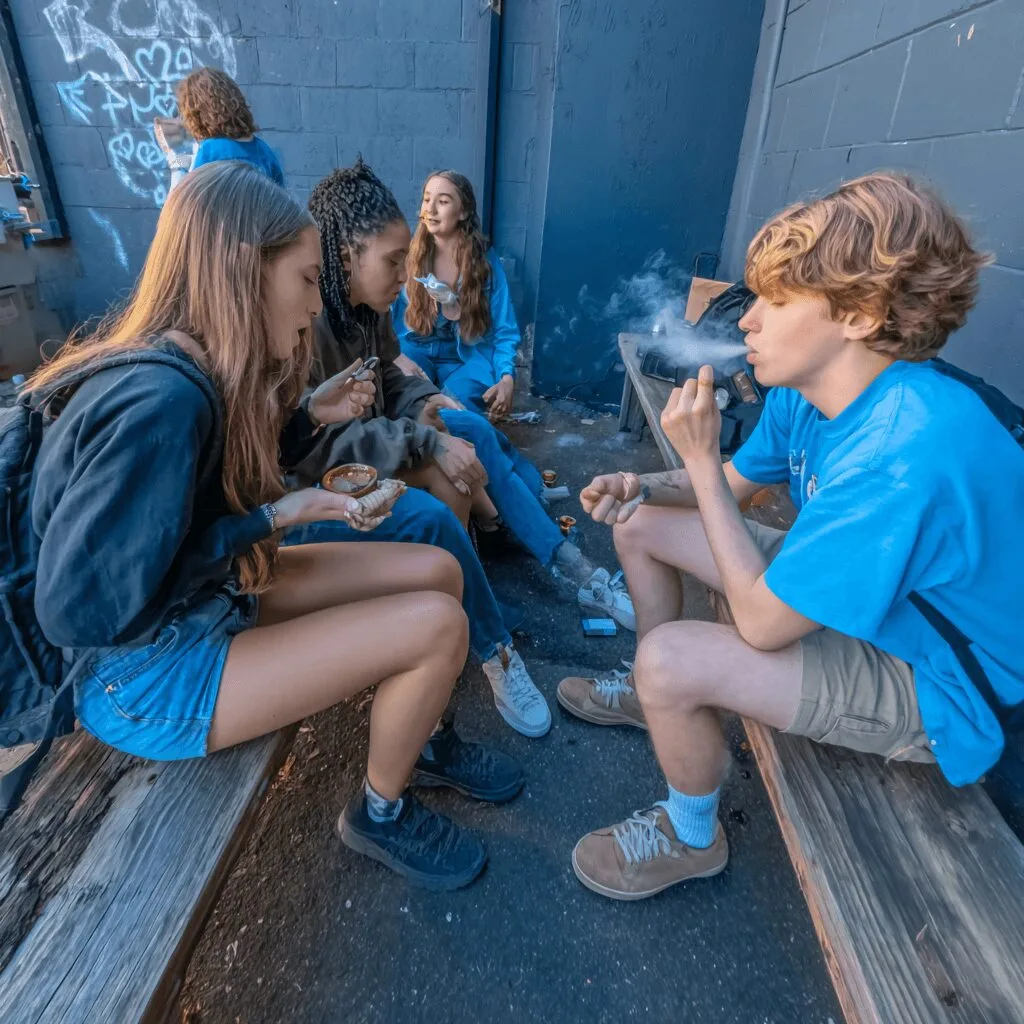
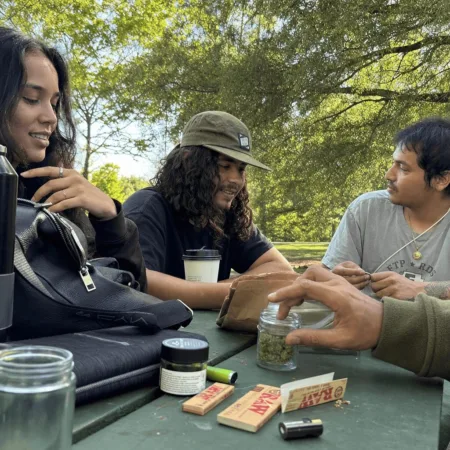
A deep dive into the landscape reveals that tobacco and cannabis use among youth is undergoing real transformation, according to data shared by Futurity. Recent surveys found that changing attitudes in places like California reflect how local cannabis business booms influence trends—sometimes mixing the two in a single session. In fact, one large-scale study published in 2024 reported over 50% of current youth tobacco users sampled had also used cannabis within the previous 30 days. This “dual use” trend is more pronounced in urban areas and linked with higher nicotine dependence and increased risk behaviors. The article documents that high school students are more likely now to cite stress relief and peer acceptance as reasons for blending tobacco and cannabis use, a major shift from previous generations. Regulatory authorities, including the CDC and SAMHSA, are intensifying surveillance of youth tobacco cannabis use, especially as anti-smoking campaigns evolve to include warnings about cannabis inhalation and co-use. Recent local bans and legal responses on flavored tobacco and flavored cannabis vapes highlight regulatory countermeasures, but experts agree enforcement and education must keep pace with youth experimentation.
Expert Analysis, Counterpoints & Pro-Cannabis Perspective
Let’s get real, youth tobacco cannabis use isn’t just a numbers game. The conversation around teen cannabis consumption needs nuance. According to Dr. Ziva Cooper, cannabis research director at the UCLA Cannabis Research Initiative, “The risk profile of youth cannabis use changes dramatically depending on mode of consumption, age of onset, frequency, and what it’s mixed with” (UCLA Health). For decades, cannabis was lumped with tobacco as a “gateway” product, but new evidence suggests key distinctions. Most teens today know more about terpene profiles than I did finishing college. Social trends and cultural influences further complicate how young people approach cannabis today. Old-school scare tactics often miss the true challenges, uneven dosing, unregulated street products, and the social scenes shaping use patterns. Acknowledging risks from dual use is essential, but so is providing honest education and harm reduction. As leading cannabis lawyer Hilary Bricken notes in multiple columns, “Smart regulation and access to trustworthy information consistently reduce youth risk far more than blanket prohibition” (Canna Law Blog). Industry veterans are pushing hard for stricter age checks, better public health campaigns, and research on safer consumption. Honest talk, not denial or outrage, is what helps teens make healthier calls—trust me, no one ever stopped because a principal just said “drugs are bad.”
The Future of Youth Tobacco Cannabis Use: Progress, Challenges, and Optimism
Where does the story go next? If there’s one thing the cannabis industry has learned, it’s that the only constant is change. The conversation about youth tobacco cannabis use is pushing regulators, educators, and parents to rethink old playbooks. Expect new science, improved regulations, and way more honest education to set the stage for smarter youth decisions. Many in the field are optimistic: with continued legalization, broader research, and social acceptance, youth engagement with cannabis (and tobacco) will become less risky and more transparent. Sources like MJBizDaily predict further drops in teen tobacco use, and smarter, more responsible cannabis regulation nationwide. The future’s bright for a more informed, empowered generation discovering cannabis—minus the harmful baggage.
Originally reported by: futurity.org

1 Comment
Pingback: Missouri medical marijuana regulations: What you need to know